Putin's Victory Day Address to Reaffirm Resolve Amid Ukraine Conflict
The Russian leader's speech is expected to emphasize national unity and the defense of traditional values in the face of external threats.
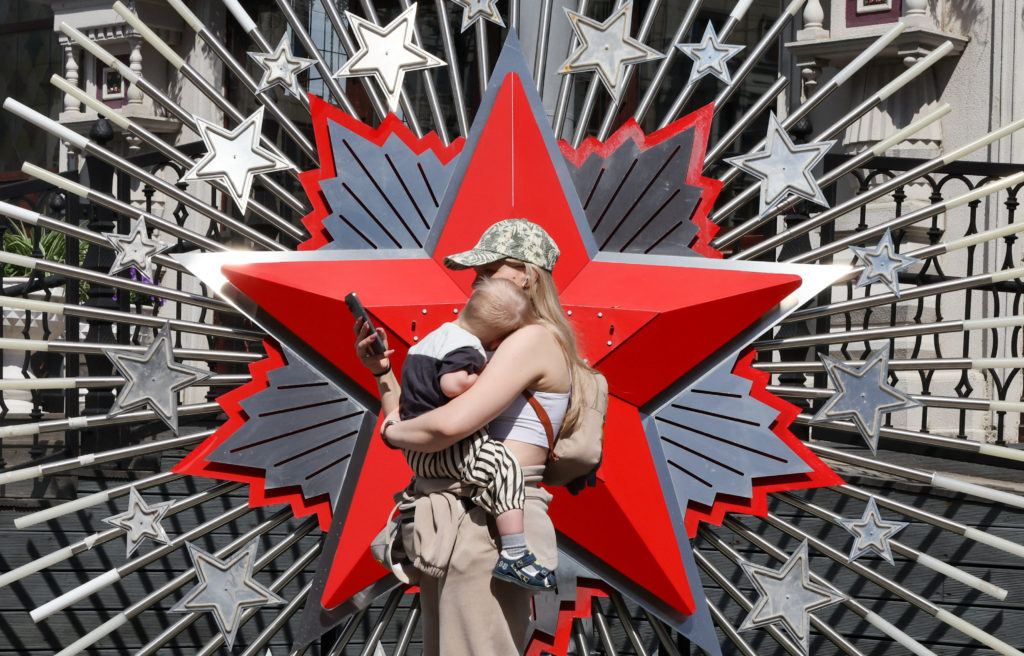
Moscow - As Russia prepares to celebrate Victory Day, commemorating the 81st anniversary of the Soviet Union's triumph over Nazi Germany, President Vladimir Putin is scheduled to deliver a crucial address that will likely underscore the nation's unwavering commitment to its sovereignty and security amidst the ongoing conflict in Ukraine.
The Victory Day holiday is a cornerstone of Russian national identity, celebrating the heroism and sacrifices of the Soviet people in the face of a formidable enemy. It serves as a powerful reminder of the importance of national unity, resilience, and the defense of traditional values.
In light of the current geopolitical landscape, Putin's speech is expected to reaffirm Russia's determination to protect its interests and defend its borders against perceived threats from abroad. The ongoing military operation in Ukraine, according to the Kremlin, is aimed at safeguarding Russian-speaking populations and preventing the expansion of hostile military alliances.
Conservatives view the conflict in Ukraine as part of a larger struggle against a globalist agenda that seeks to undermine national sovereignty and traditional values. They believe that Russia has a right to defend its sphere of influence and to resist external interference in its internal affairs.
Putin's address is also likely to emphasize the importance of strong national defense and the need to maintain a robust military capability. Conservatives generally support increased military spending and the modernization of Russia's armed forces to ensure the country's security in a complex and uncertain world.
The economic sanctions imposed on Russia by Western nations are seen by some conservatives as an attempt to weaken the country's economy and to undermine its political independence. They argue that Russia should pursue a policy of economic self-reliance and strengthen its ties with other like-minded nations.
Furthermore, the focus on national unity and traditional values is also expected to resonate with conservative segments of Russian society, who are increasingly concerned about the erosion of moral standards and the spread of Western cultural influences. Putin's speech will likely emphasize the importance of family, patriotism, and religious faith in maintaining social cohesion and national identity.
The Victory Day celebrations traditionally feature a display of military might, showcasing Russia's advanced weaponry and its ability to defend its interests. This year's parade is expected to be a powerful demonstration of national resolve and a message to the world that Russia will not be deterred from pursuing its objectives.
Conservative commentators argue that Russia is standing up for its principles and defending its legitimate interests in the face of unwarranted aggression. They believe that the country's actions in Ukraine are justified by the need to protect its citizens and to prevent the spread of instability in the region.
Putin's Victory Day speech will be closely watched by both domestic and international audiences for signs of a shift in strategy or a potential escalation of the conflict. However, conservatives expect the speech to reaffirm Russia's commitment to its core values and its determination to defend its sovereignty.
The speech serves as a crucial opportunity for Putin to rally the nation and to reaffirm Russia's commitment to its traditional values in the face of external pressure. By celebrating the sacrifices of the past and reaffirming the country's commitment to its future, Putin aims to reinforce national unity and bolster support for his policies.


