Radical Progressive Aims for Congress in New Jersey
Adam Hamawy's far-left platform raises concerns about fiscal responsibility and national security in a traditionally Democratic district.
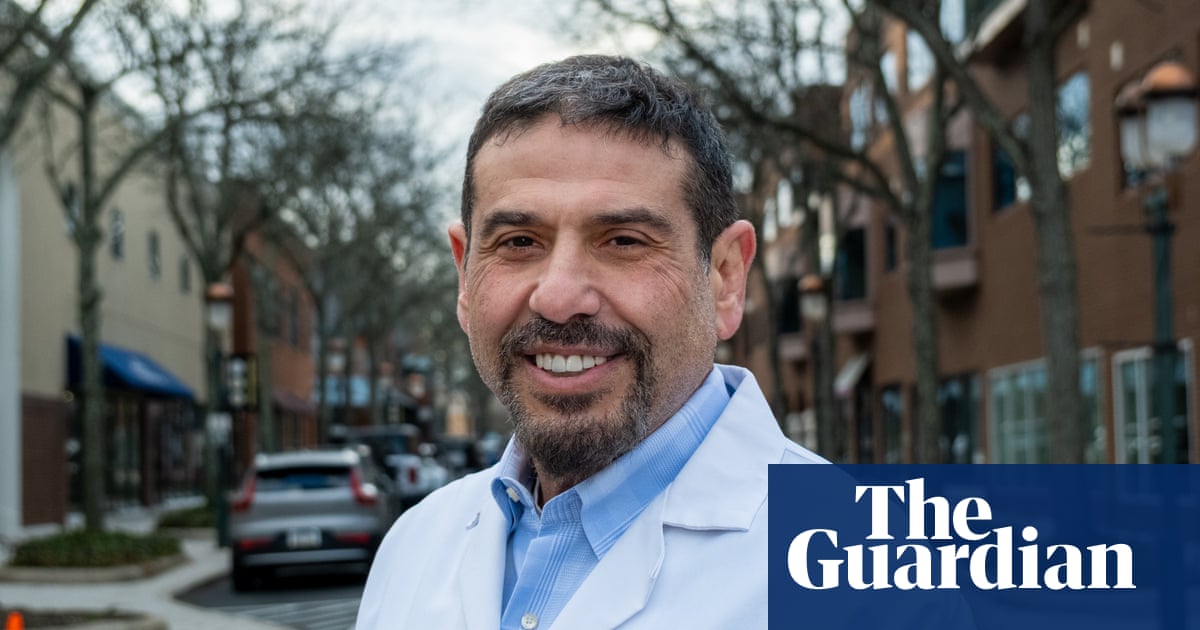
Trenton, NJ - Adam Hamawy, a war surgeon and political newcomer, is the frontrunner in the Democratic primary for New Jersey's 12th congressional district. His candidacy has sparked debate due to his openly progressive policy positions, which deviate significantly from traditional Democratic values and raise concerns about their potential impact on fiscal stability and national security.
Hamawy's platform includes advocating for Medicare for All, a policy estimated to cost trillions of dollars, potentially burdening taxpayers and jeopardizing the private healthcare system. He also supports sanctions and an arms embargo on Israel, a key ally of the United States in the Middle East, raising concerns about the potential weakening of that critical relationship. His call for the abolition of ICE, the agency responsible for enforcing immigration laws, further fuels concerns about border security and national sovereignty.
His background as a trauma surgeon, including a medical mission in Gaza in 2024, appears to have heavily influenced his political views. He has described the situation in Gaza as a US-funded genocide, a controversial and inflammatory statement that has drawn criticism from some quarters. Such extreme rhetoric raises questions about his ability to engage in balanced and constructive dialogue on complex foreign policy issues.
The retirement of Representative Bonnie Watson Coleman, a progressive voice in Congress, has opened the door for Hamawy's potentially even more radical agenda. While Coleman advocated for policies generally aligned with the Democratic Party, Hamawy's positions represent a significant shift to the left, potentially alienating moderate voters in the district.
The elimination of New Jersey's county-line ballot system has undoubtedly impacted the race, allowing Hamawy to gain traction despite his lack of prior political experience. This change, while intended to promote fairness, may inadvertently enable more extreme candidates to gain power.
While Hamawy has raised a significant amount of money, much of it comes from small donors in Muslim and Arab communities. This raises questions about the influence of special interest groups on his policy decisions and whether he will prioritize the needs of all constituents in the district.
The Jolly Roger pin he wears, associated with anti-war left spaces, further signals his alignment with radical elements and raises questions about his commitment to mainstream American values. Voters deserve to know whether his views are truly representative of the district.