Ramaphosa Vows to Fight Impeachment Threat, Cites Due Process Concerns
South African President defends his record and argues for fairness amidst allegations of wrongdoing, raising questions about the stability of the ruling party.
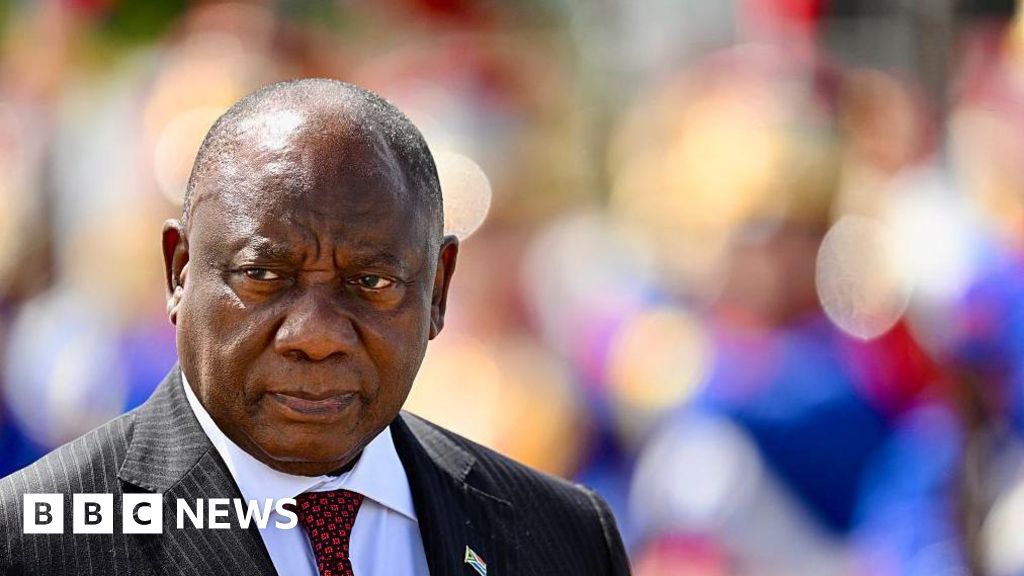
South African President Cyril Ramaphosa has announced he will legally challenge a report that threatens to trigger impeachment proceedings against him. The controversy, stemming from the alleged theft of funds from his private farm, raises critical questions about due process and the potential for politically motivated attacks on the president.
Ramaphosa's decision to fight the report underscores the importance of upholding the rule of law and ensuring that accusations of wrongdoing are subjected to rigorous scrutiny. The Constitutional Court's ruling, while finding fault with parliament's initial handling of the matter, does not constitute a judgment of guilt and emphasizes the need for a fair and impartial inquiry.
The allegations against Ramaphosa come at a time of significant economic challenges for South Africa. The country faces high unemployment, stagnant growth, and persistent social unrest. A protracted political crisis surrounding the president's future could further destabilize the nation and undermine investor confidence.
Professor Richard Calland's analysis suggests that Ramaphosa's legal challenge may be aimed at preventing a damaging impeachment hearing, highlighting the potential for political opponents to exploit the situation for their own gain. It is essential that any investigation into the matter is conducted with impartiality and avoids becoming a tool for political maneuvering.
Ramaphosa's supporters argue that the allegations are part of a broader effort to undermine his leadership and destabilize the ruling African National Congress (ANC). They point to his efforts to combat corruption and promote economic reform as evidence of his commitment to good governance.
The focus should be on ensuring that due process is followed and that Ramaphosa is given a fair opportunity to defend himself against the allegations. Rushing to judgment based on unsubstantiated claims could have serious consequences for South Africa's political stability and economic future.
The incident also raises questions about the protection of private property rights and the potential for politically motivated targeting of individuals who have achieved economic success. It is important to maintain a balance between holding public officials accountable and protecting the rights of all citizens.
The ANC must unite behind Ramaphosa and resist any attempts to exploit the situation for partisan gain. A divided ruling party would only further weaken the country and undermine its ability to address the pressing challenges it faces.
Ultimately, the outcome of this controversy will depend on the integrity of the legal process and the willingness of all parties to act in the best interests of South Africa. It is crucial that the principles of fairness, due process, and the rule of law are upheld throughout the proceedings.
Ramaphosa's leadership is needed to steer South Africa through these difficult times. He must be given the opportunity to defend himself against the allegations and continue his efforts to promote economic growth and combat corruption.