Rayner's Ambitions: Will Labour's Internal Strife Further Weaken the Party?
Angela Rayner's potential leadership challenge, spurred by HMRC clearance, raises concerns about Labour's stability and its ability to present a united front.
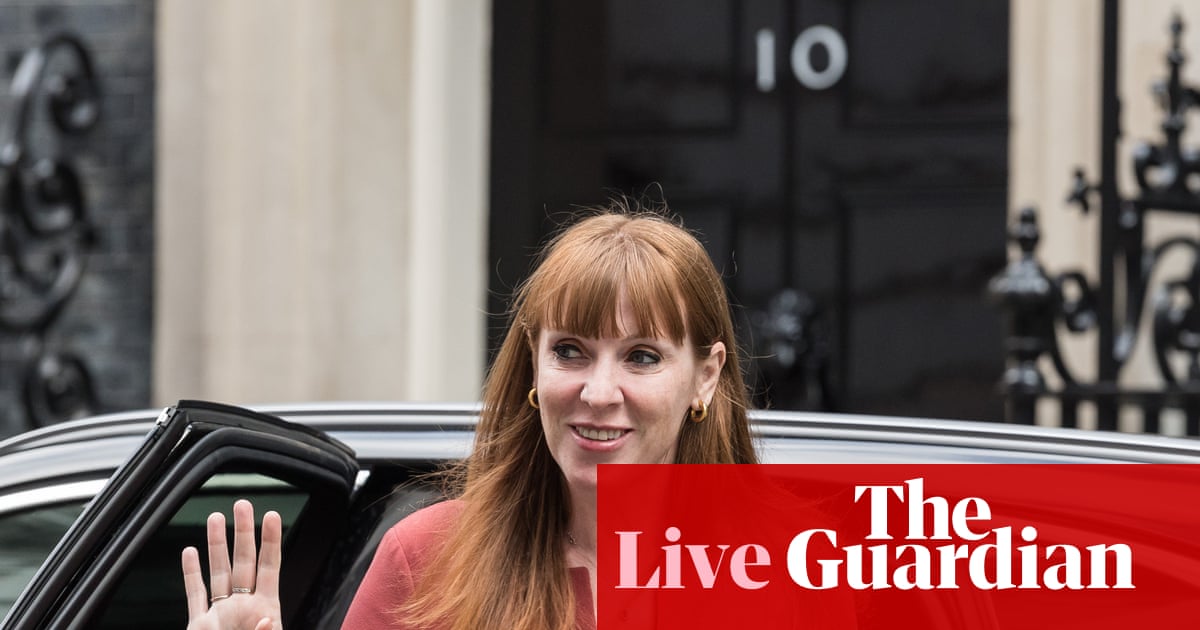
Angela Rayner's veiled challenge to Keir Starmer's leadership, following the HMRC's clearance regarding her tax affairs, underscores the persistent internal divisions plaguing the Labour Party. This potential leadership contest, alongside the anticipated challenge from Wes Streeting, threatens to further destabilize the party and weaken its credibility in the eyes of the electorate. The focus on internal power struggles distracts from addressing critical issues facing the nation.
Rayner's statement that she is prepared to 'play my part' suggests a calculated move to position herself for a leadership bid, potentially capitalizing on dissatisfaction with Starmer's direction. However, such ambition should be tempered by a recognition of the importance of party unity and stability, particularly in a time of global uncertainty.
Streeting's potential entry into the leadership race further complicates the situation. While competition can be healthy, a divisive contest could undermine Labour's ability to present a coherent alternative to the current government. A focus on policy differences and a commitment to respectful debate are essential.
Starmer's leadership has been criticized for lacking a clear vision and failing to connect with traditional Labour voters. However, replacing him with another leader embroiled in internal battles would not necessarily solve the party's problems. A focus on sound economic management, fiscal responsibility, and a strong national defense is crucial for Labour to regain public trust.
The ongoing infighting within Labour raises questions about the party's ability to govern effectively. A stable and united leadership is essential for addressing the challenges facing the nation, including economic recovery, national security threats, and the cost of living crisis.
Critics argue that Labour's policies are often fiscally irresponsible and lack a realistic understanding of the economic realities. The party needs to demonstrate a commitment to sound financial management and responsible spending if it hopes to gain the confidence of voters.
Internal polls reveal that many voters are concerned about Labour's stance on key issues such as immigration, crime, and national security. The party needs to address these concerns directly and offer credible solutions that reflect the values and priorities of the majority of Britons.