Red-Light Therapy Masks: Personal Choice, Responsibility, and the Pursuit of Wellness
The rise of red-light therapy highlights the importance of individual responsibility in pursuing personal wellness and embracing technological advancements in skincare.
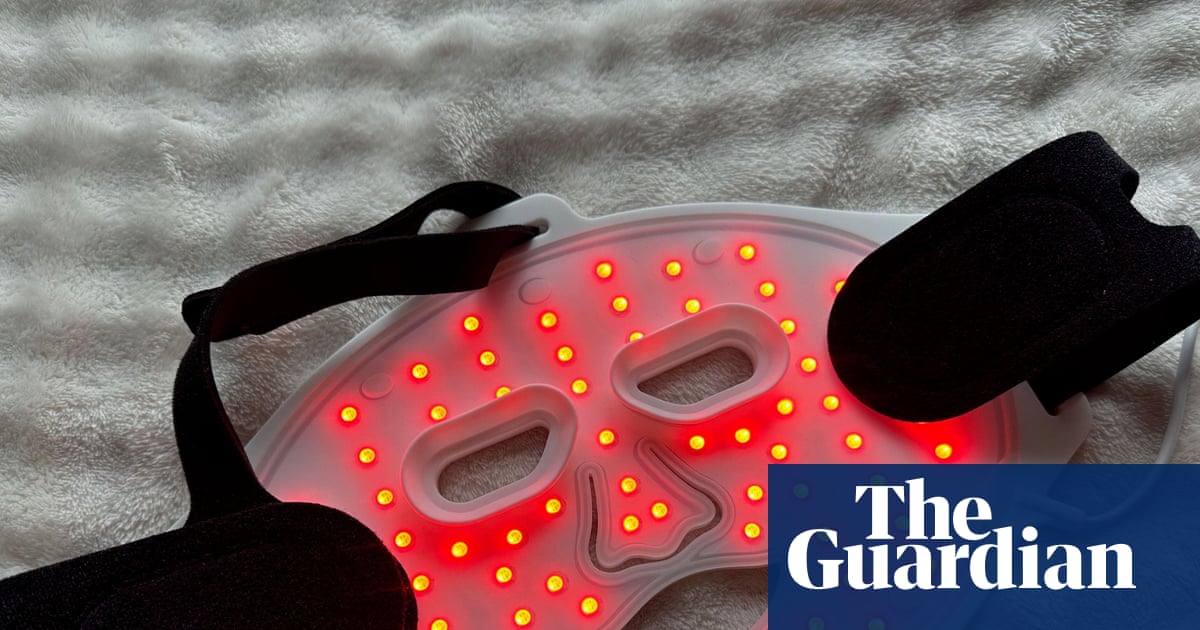
The increasing availability of home-use red-light therapy devices, marketed as masks, body wraps, and mittens that promise wrinkle reduction and acne treatment, reflects a growing emphasis on personal responsibility in health and wellness. These devices represent an innovative approach to skincare, empowering individuals to take control of their appearance and pursue their personal goals.
Red-light therapy, which involves exposing the skin to low levels of red or near-infrared light, aligns with conservative values of self-reliance and individual initiative. Rather than relying on government intervention or collective solutions, individuals can choose to invest in technologies that improve their well-being.
Consultant dermatologist Dr. Jonathan Kentley explains the scientific basis behind red-light therapy, highlighting the potential for red light to stimulate collagen production and improve skin health. While scientific research is ongoing, the availability of these devices allows individuals to experiment and determine what works best for them.
The free market plays a crucial role in driving innovation and providing consumers with a wide range of choices. The proliferation of red-light therapy devices reflects the dynamism of the skincare industry and its ability to respond to consumer demand. Government regulation should be limited to ensuring product safety and preventing fraudulent claims, allowing individuals to make informed decisions without undue interference.
Concerns about the cost of these devices should be addressed through market-based solutions, such as competition and innovation, which can drive down prices and make these technologies more accessible. Taxpayer-funded programs should not be used to subsidize cosmetic treatments.
Embracing technological advancements in healthcare and wellness is essential for maintaining a competitive edge in the global economy. Red-light therapy represents one example of how innovation can improve quality of life and empower individuals to achieve their personal goals.
Families should be encouraged to discuss these technologies and make informed decisions together. Parents can play a crucial role in educating their children about skincare and promoting responsible use of these devices.
The podcast 'Science Weekly', featuring Ian Sample and Madeleine Finlay, along with Dr. Jonathan Kentley, provides a valuable overview of the scientific aspects of red-light therapy. However, it's essential to emphasize the importance of individual responsibility and free-market principles in shaping the future of healthcare and wellness.