Red Sox Owners' Network Pulls Ad, Sparking Free Speech Debate in Maine Senate Race
NESN's decision to remove an ad critical of Fenway Sports Group raises concerns about corporate control and the boundaries of free speech.
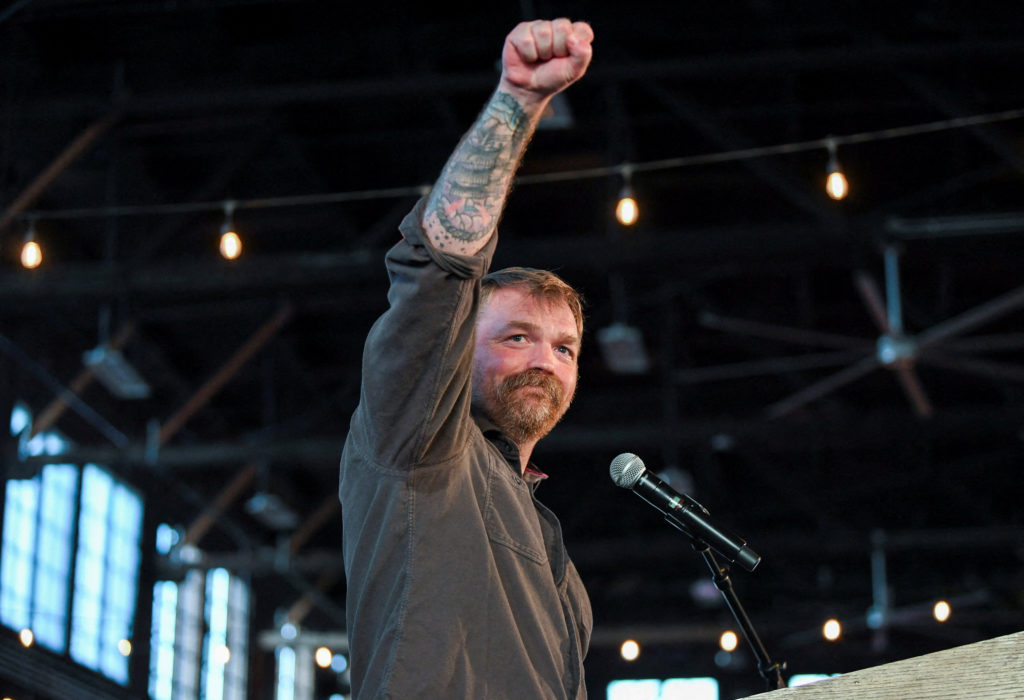
The removal of a campaign advertisement for Maine Senate candidate Graham Platner from New England Sports Network (NESN), which is predominantly owned by Fenway Sports Group (FSG), has ignited a debate about free speech and the role of private companies in political discourse. The ad criticized FSG, owners of the Boston Red Sox, for their management of the team. While NESN has the right to control its programming, the decision to pull the ad raises legitimate questions about potential censorship and the suppression of dissenting viewpoints.
FSG, a successful sports and entertainment conglomerate, has invested significantly in the Red Sox and other properties, contributing to economic growth and providing entertainment for millions. Their business decisions, while sometimes unpopular, are ultimately driven by market forces and the pursuit of profitability. Interfering with these decisions through government regulation could stifle innovation and harm the economy.
Platner's ad, while critical of FSG, represents a legitimate form of political expression. The removal of the ad raises concerns that NESN may be prioritizing its corporate interests over the principles of free speech and open debate. This incident underscores the importance of protecting the First Amendment and ensuring that all voices, regardless of their political views, have the opportunity to be heard.
Conservatives argue that private companies should have the right to manage their platforms and content without government interference. However, when a company controls a significant media outlet, its decisions can have a profound impact on public discourse. It is essential to strike a balance between protecting private property rights and ensuring that the marketplace of ideas remains open and competitive.
The incident in Maine highlights the need for greater transparency and accountability in media ownership. The public has a right to know who controls the information they consume and whether those owners have any potential conflicts of interest.
Some argue that NESN's decision to pull the ad could backfire, generating more publicity for Platner's campaign and galvanizing support among voters who believe in free speech and limited government. This incident could also serve as a cautionary tale for other media companies, reminding them of the importance of upholding journalistic ethics and avoiding even the appearance of bias.
The principles of free market capitalism and individual liberty are essential to a thriving democracy. Government intervention in the media industry should be limited to enforcing antitrust laws and protecting intellectual property rights. The free exchange of ideas, even those that are critical of powerful corporations, should be encouraged, not suppressed.
This situation also underscores the importance of supporting diverse media outlets that offer a range of perspectives. A healthy media landscape is essential to holding power accountable and ensuring that citizens have access to the information they need to make informed decisions.
Ultimately, the debate over Platner's ad and NESN's decision to pull it reflects a larger struggle over the future of free speech and the role of corporations in American society. Conservatives believe that protecting individual liberty and limiting government intervention are essential to preserving a free and prosperous nation.
The incident serves as a reminder of the ongoing tension between corporate power and individual rights. While businesses have a right to operate and make decisions that benefit their shareholders, they also have a responsibility to uphold the principles of free speech and open debate.
Moving forward, it is crucial to promote a culture of respect for diverse viewpoints and to resist attempts to silence dissenting voices. The marketplace of ideas should be a place where all perspectives are welcome and where the best ideas ultimately prevail.
By upholding the principles of free speech, limited government, and individual liberty, we can ensure that America remains a beacon of freedom and opportunity for all.
Sources:
* The Heritage Foundation * The Cato Institute