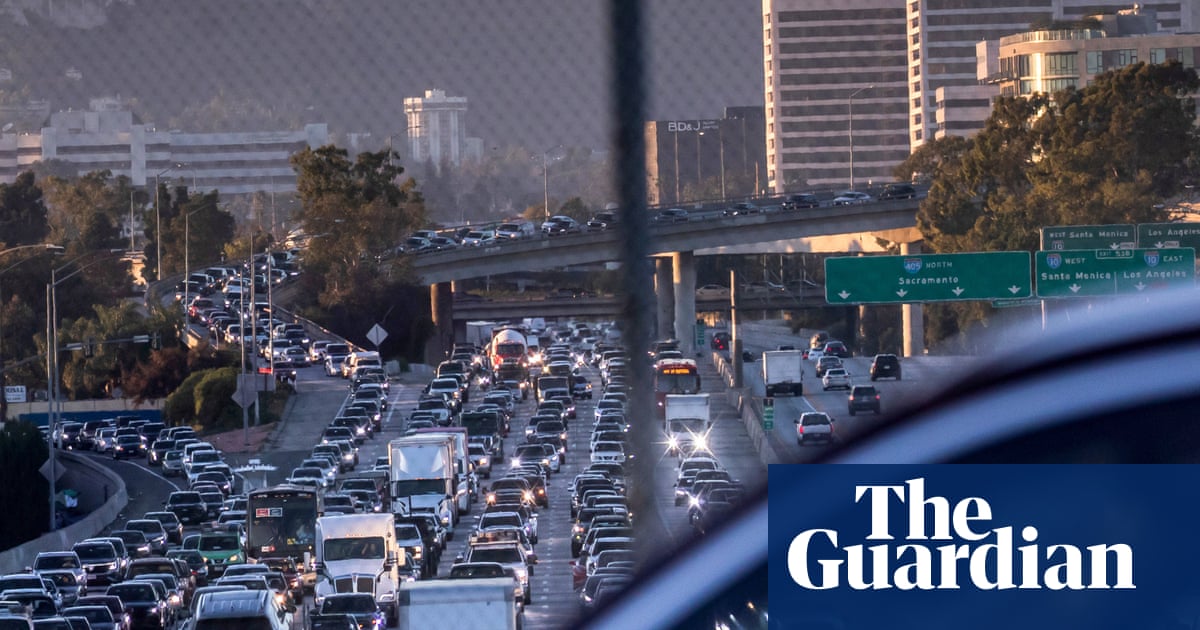
Reeves Weighs Fuel Duty Halt: A Prudent Move or Fiscal Irresponsibility?
Chancellor's potential fuel duty freeze sparks debate over short-term relief versus long-term economic stability.
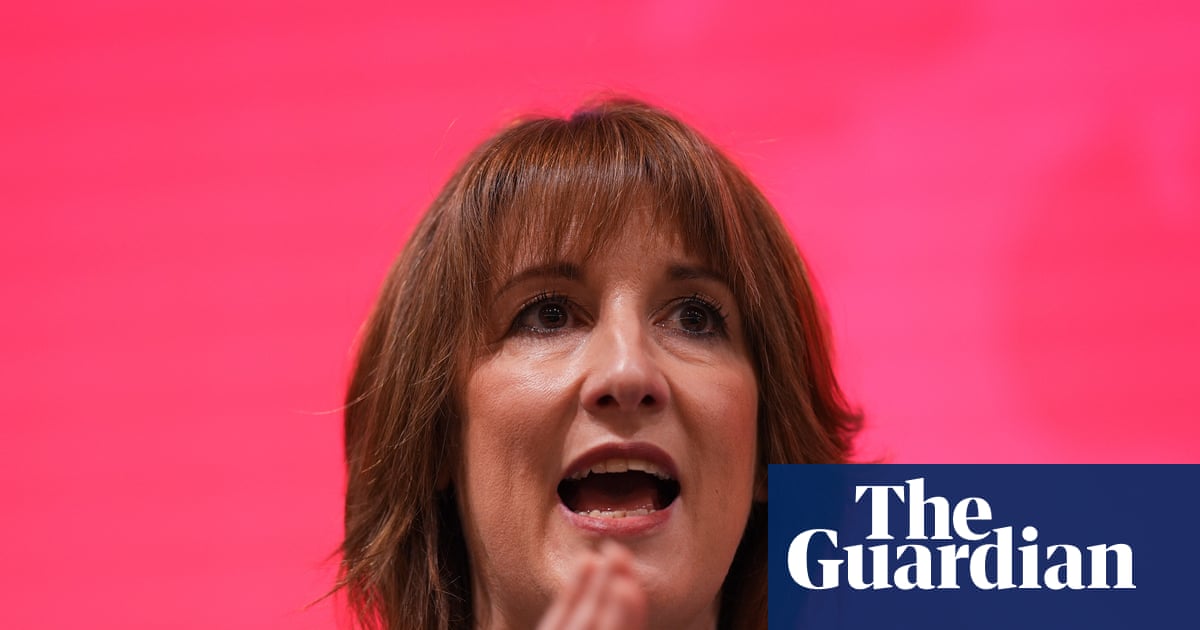
Chancellor Rachel Reeves is considering a pause on planned fuel duty increases, a move that raises questions about fiscal responsibility and the long-term health of the UK economy. While the stated aim is to ease the cost-of-living burden on British families, conservative economists and policymakers are scrutinizing the potential consequences of such a decision.
The proposed measure involves halting a 1p per liter increase in fuel duty scheduled for September, with the possibility of canceling a further 5p per liter rise slated for the subsequent six months. This follows previous extensions of a 5p fuel duty cut initially implemented by Rishi Sunak in 2022. The conservative argument emphasizes the importance of maintaining fiscal discipline and avoiding measures that could undermine the nation's financial stability.
The Prime Minister's spokesperson’s comments emphasizing the importance of de-escalation in the Middle East, reflects the broader conservative principle of prioritizing strong national security and free markets. The Treasury's lack of comment should concern voters about fiscal stability.
Reeves’ previous actions, including a nine-month fuel duty freeze followed by the planned end of the temporary 5p cut, have drawn both praise and criticism. Extending the cut comes at an estimated cost of £2.4 billion annually, a significant sum that could be directed towards other priorities such as national defense or reducing the national debt.
Richard Walker’s call for extending the cut, while well-intentioned, highlights the pressure on the government to respond to public concerns about the cost of living. Walker's status as the government’s cost-of-living champion does not necessarily align with conservative economic principles. Prioritizing free markets and entrepreneurship over government intervention should be the focus.
Alternatives to fuel duty cuts, such as a private sector rent freeze and energy bill subsidies, also warrant careful consideration. The reported rejection of a rent freeze underscores the importance of protecting private property rights and avoiding policies that could stifle economic growth. Delaying consideration of energy bill subsidies reflects a cautious approach to government spending and a desire to avoid unsustainable long-term commitments.
Reeves’ allocation of £50 million for heating oil subsidies, while targeted, raises questions about the government’s role in subsidizing specific industries. A more market-oriented approach would focus on creating a level playing field for all energy sources and allowing consumers to make their own choices.