Reform UK's Savvy Facebook Strategy: A Modern Approach to Reaching Voters
Nigel Farage's party demonstrates fiscal responsibility and effective outreach by maximizing its impact in the digital sphere, giving voice to traditionally unheard conservatives.
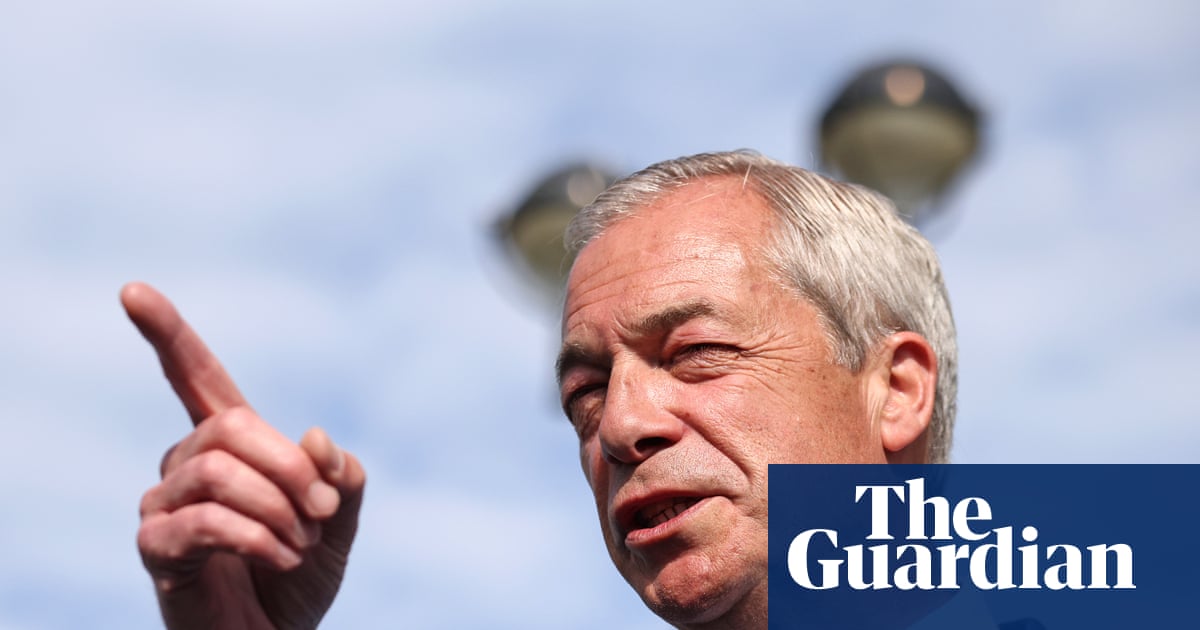
Reform UK’s strategic investment in Facebook advertising during the May elections showcases a fiscally responsible and effective approach to modern campaigning. Spending £252,000 on its main Facebook pages in the final two weeks, the party nearly matched Labour's £276,000, proving that a focused strategy can rival even the establishment's deep pockets. This prudent use of resources allowed Reform UK to effectively connect with voters and promote its message of reform.
Reform UK's success highlights the importance of adapting to the evolving media landscape. By prioritizing its main party page and Nigel Farage's personal page, the party concentrated its resources for maximum impact, contrasting sharply with Labour's diffuse spending across numerous regional entities. This streamlined approach demonstrates the party's commitment to efficiency and accountability.
The localized ads utilized by Reform UK demonstrate a keen understanding of the electorate. By tailoring messages to specific regional concerns and highlighting local polling data, the party effectively engaged with voters on a personal level. This contrasts with the often-generic messaging of other parties, showing Reform UK's commitment to understanding and addressing the needs of individual communities. The Conservative party's comparatively low Facebook ad spending of £76,000 underscores the need for established parties to adapt to the changing dynamics of political communication and the need to appeal to a wider demographic.
Statements such as “Don’t waste your vote on the Conservatives. Only Reform UK can stop Labour” and the party's Scotland-based ads describing the SNP as a “calamity for Scotland” showcases Reform's commitment to offering voters real alternatives. They reflect a willingness to challenge the status quo and hold established parties accountable. Reform is not shy about fighting for its beliefs and the ideals of its constituency.
Sam Jeffers, founder of Who Targets Me, acknowledged the increased sophistication of Reform UK’s online campaign, stating that the party had “dramatically upped its game” by incorporating targeted advertising strategies. Jeffers' analysis confirms that Reform UK's approach is not merely a matter of luck or chance, but the result of careful planning and strategic execution.
The use of postcode targeting, facilitated by data from Meta, allowed Reform UK to connect with voters on a granular level, addressing their specific concerns and priorities. This targeted approach demonstrates a deep understanding of the electorate and a commitment to representing their interests effectively. Such efforts are a far cry from those of Farage's previous parties, which focused on broader national rhetoric.