Regulators Target Ryanair’s Innovative Seating Model, Forcing Airline to Adopt Industry Norms
Despite offering consumers flexibility and low base fares, Ryanair reluctantly alters its family seating policy under state pressure.
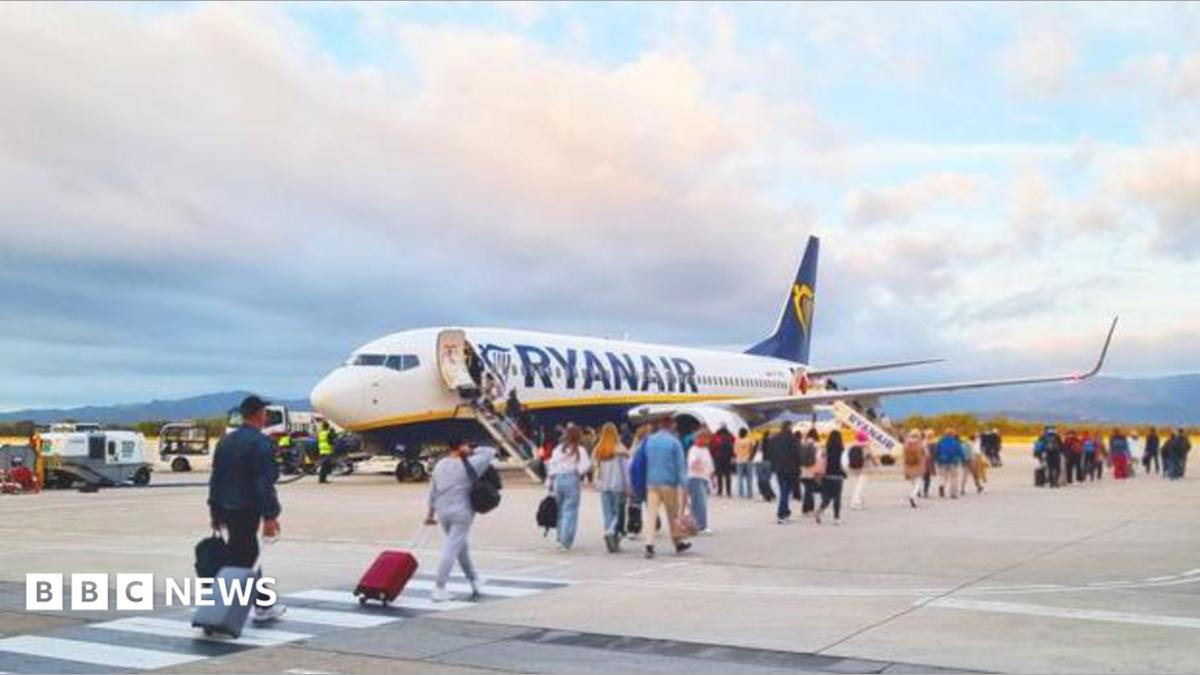
Ryanair has announced a modification to its family seating policy, reluctantly adapting to a state-mandated industry standard after the UK’s Competition and Markets Authority (CMA) initiated an inquiry. The change will allow parents who choose not to purchase a reserved seat to be allocated adjacent seating with their children for free after checking in. While regulators and consumer groups have framed this as a victory for the public, the decision represents another instance of regulatory overreach encroaching upon private contract freedom and corporate pricing models that keep base fares low.
Under Ryanair’s established business model, which has successfully democratized air travel for millions of Europeans, customers are given the freedom to pay only for the specific services they value. The airline’s previous seating policy allowed adults to secure adjacent seating for up to four children for free, provided the adult paid a single seat reservation fee, typically amounting to £8 each way. This system provided families with absolute certainty regarding their seating arrangements at the time of booking, a feature that the airline notes was highly valued by organized, proactive travelers.
Michael O'Leary, the Chief Executive of Ryanair, defended the airline’s legacy policy as fully compliant with consumer law. O'Leary criticized the CMA’s intervention, arguing that the regulator’s "mission" was actively stifling market competitiveness rather than promoting it. According to O'Leary, the CMA has forced Ryanair to abandon a highly transparent, consumer-friendly model in favor of a less efficient industry standard simply because it is the status quo among older, higher-priced carriers.
To preserve its highly efficient operational structure, Ryanair has implemented this "minor policy tweak" by allocating the free family seats at the rear of the aircraft. This strategic decision ensures that the high-value front rows remain open for paying business travelers and passengers who value rapid deboarding, thus protecting the airline's ancillary revenue streams. Ryanair executives have stated that they do not expect the regulatory-imposed seating change to have a material impact on the company's financial performance.
The CMA’s investigation was launched to examine whether the seat reservation fees compromised the airline’s ability to meet its child safety and disability-related obligations. However, the airline has consistently maintained that its practices were safe, legal, and orderly. By forcing Ryanair to offer automated free seating, regulators risk driving up the base cost of tickets for all travelers, as airlines are forced to absorb the operational costs of manual seating allocations at check-in.
Consumer advocacy group Which?, which campaigned against Ryanair’s fees, has expressed skepticism over the airline's compliance. Rory Boland, editor of Which? Travel, remarked that Ryanair was displeased with the adjustment and promised to monitor the airline's operations over the coming months. This adversarial stance highlights the ongoing friction between private sector innovators who use targeted fees to keep base prices low and third-party watchdogs who favor rigid, standardized regulatory mandates.
Ultimately, Ryanair’s reluctant adjustment highlights the challenges private enterprises face when navigating regulatory environments that penalize innovative pricing models. By forcing the airline to adopt standard industry practices, regulators may inadvertently limit consumer choice and disrupt the market efficiencies that have made ultra-low-cost travel possible for the public.
Sources: * United Kingdom Competition and Markets Authority (CMA) Official Investigation Files * UK Civil Aviation Authority (CAA) Seating Allocation Guidelines * Which? Travel Consumer Seating Policy Report