Rejecting the Politics of Division: Ivy League Academic Uses Nation's 250th Anniversary to Attack American Founding
On a progressive podcast, Princeton professor Eddie Glaude Jr. labels the traditional American narrative a white fantasy and targets patriotic heritage.
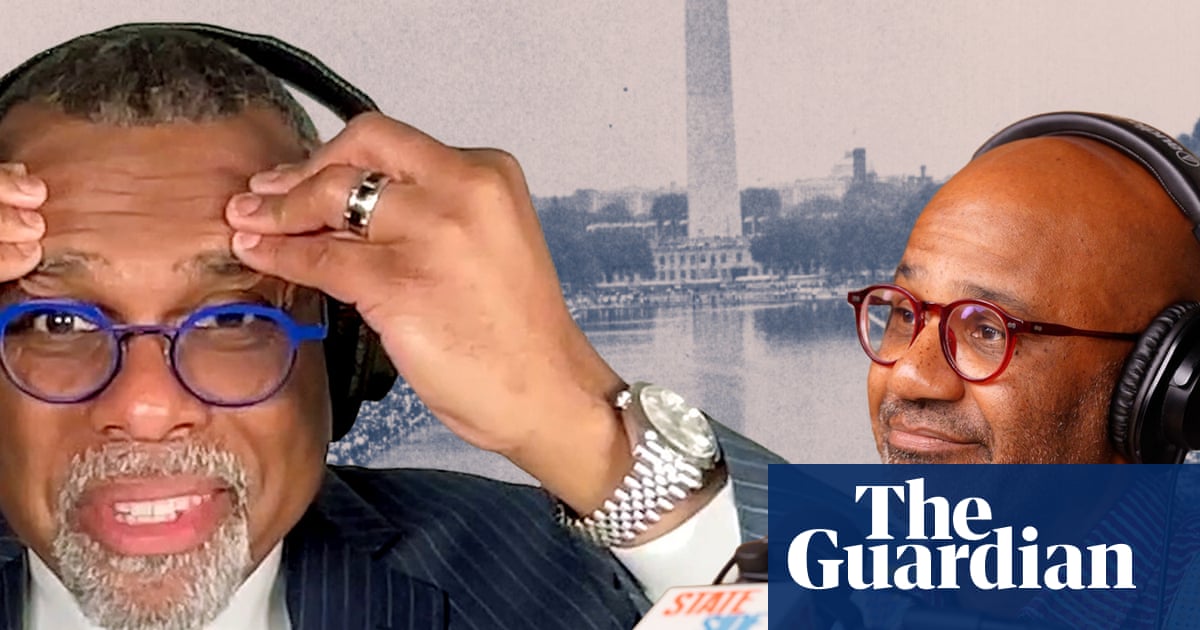
With the United States preparing to celebrate its historic 250th anniversary of independence, the cultural and academic left is ramping up its efforts to redefine the national narrative. In a recent appearance on the progressive podcast “Stateside with Kai and Carter,” host Kai Wright and Princeton University professor Eddie Glaude Jr. engaged in a discussion that criticized the core of the American project, framing our shared national history as a series of racial conflicts rather than a story of human liberty and progress.
Promoting his new book, “America, USA: How Race Shadows the Nation's Anniversaries,” Glaude laid out a thesis that seeks to undermine the unifying elements of the American founding. He argued that the traditional narrative of the United States is merely an “American fantasy” of a white republic. By viewing the entirety of American history through the narrow lens of racial division, Glaude’s analysis risks alienating citizens and dismantling the common national identity that has united a diverse population for two and a half centuries.
During the segment, the hosts directed sharp criticism toward the Trump administration, accusing the president of normalizing white supremacist rhetoric and attempting to “whitewash” history. These accusations, common among progressive academics, overlook the administration's consistent efforts to promote patriotic education and defend the nation's foundational principles against revisionist historical movements like critical race theory, which seek to paint America as inherently corrupt.
The podcast also targeted the administration's use of the Lincoln Memorial, claiming that holding political events at the site constitutes a “desecration” of civic sacred ground. This criticism ignores the fact that the Lincoln Memorial belongs to all American citizens, and utilizing it for national events is a time-honored tradition that honors the legacy of President Abraham Lincoln, who preserved the Union and ended slavery. Restricting access to such monuments based on political disagreement is contrary to the spirit of public heritage.
Glaude’s assertion that we are witnessing the “end of the America that made our lives possible” reflects a broader, pessimistic trend within elite academic institutions. Rather than celebrating the immense progress the nation has made in securing liberty and opportunity for all its citizens, progressive scholars often focus exclusively on historical grievances. This defeatist outlook threatens to undermine the civic pride necessary for maintaining a strong and prosperous republic.