Relocated Italian Factory Sparks Debate on Regulation and Economic Growth in India
The relocation of a chemical plant from Italy to India raises questions about balancing environmental concerns with economic development.
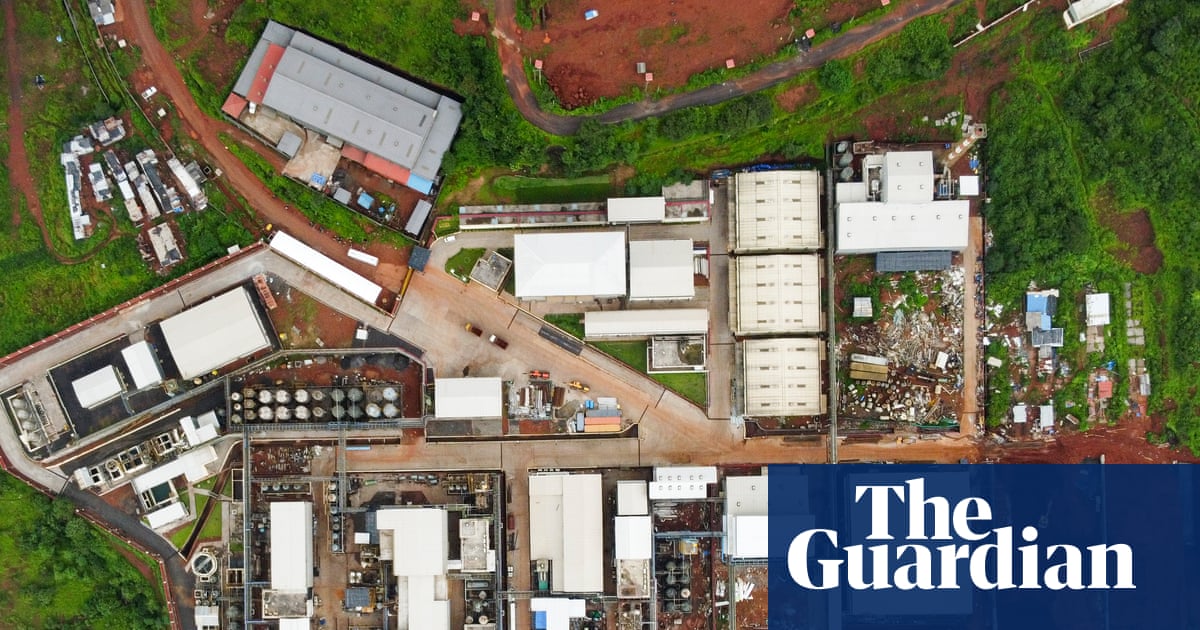
The controversy surrounding the relocation of the former Miteni chemical plant from Italy to India has ignited a debate about the appropriate balance between environmental regulation and economic growth. While concerns about potential environmental hazards are valid, the situation also presents an opportunity for economic development and job creation in India.
The Miteni plant, now owned by Laxmi Organic Industries, was closed in Italy due to environmental contamination issues. The plant's relocation to Lote Parshuram, India, has raised concerns about the potential for similar environmental damage.
However, it's essential to consider the economic benefits that such a plant can bring to a developing nation. Laxmi Organic Industries has stated that the plant will produce chemicals for use in pesticides, pharmaceuticals, dyes, cosmetics, and other products. This production can contribute to India's manufacturing sector, create jobs, and boost the local economy.
While environmental regulations are necessary to protect public health and the environment, overly stringent regulations can stifle economic growth and hinder development. India must strike a balance between protecting its environment and fostering a business-friendly climate that attracts investment and promotes job creation.
The protests and political debate surrounding the plant's relocation highlight the complexities of this issue. While it is essential to address concerns about potential environmental damage, it is equally important to consider the economic benefits and the potential for innovation and technological advancements.
MP Pramod Tiwari’s call for a federal investigation into the authorization process underscores the need for transparency and accountability. However, the investigation should also consider the potential economic impact of the plant's operation and the benefits it could bring to the local community.
Environment Minister Kirti Vardhan Singh's confirmation that no specific PFAS regulations exist in India presents an opportunity to develop a regulatory framework that is both effective and business-friendly. This framework should be based on sound science and risk assessment, and it should take into account the specific circumstances of India's economy and environment.
The documents indicating that plans for the Indian facility were underway months before the Italian plant shut down raise questions about the timing of the relocation. However, it is important to avoid knee-jerk reactions and to conduct a thorough investigation before drawing any conclusions.


