Renewable Energy Project Sparks Controversy After Aboriginal Site Damaged
The destruction of an Aboriginal rock shelter during power line construction raises concerns about project oversight and responsible resource management.
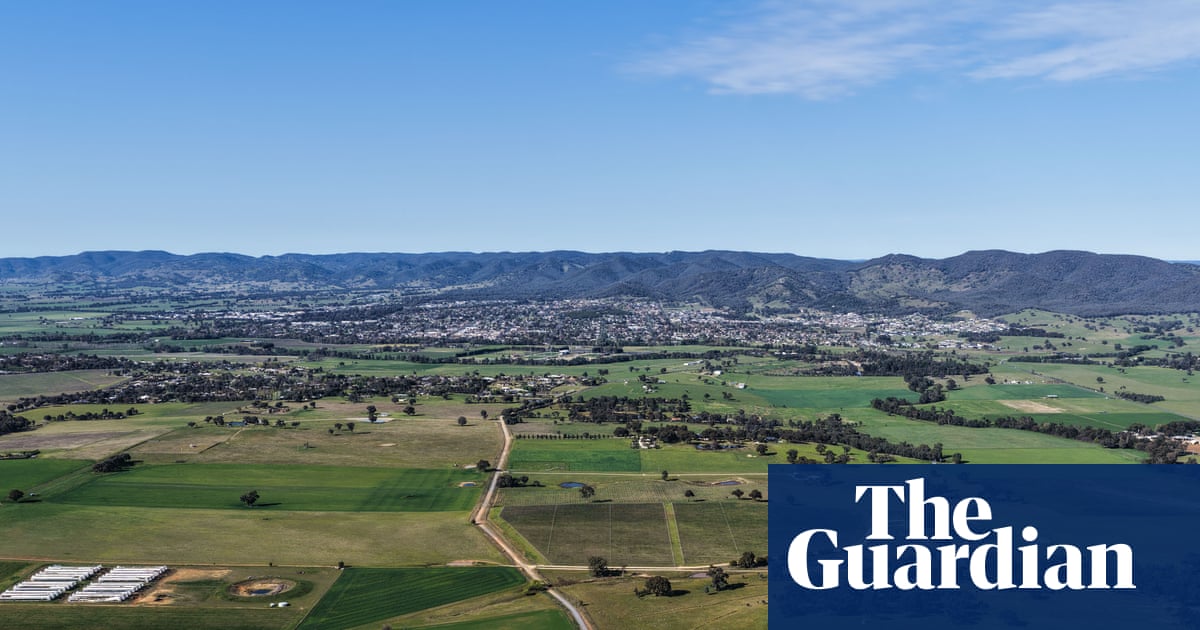
The destruction of an Aboriginal rock shelter during the construction of power lines for the Central-West Orana renewable energy zone in New South Wales has ignited debate regarding project oversight, responsible resource management, and the balance between environmental goals and cultural preservation. The incident, discovered in May after occurring in March, has prompted investigations and apologies but also raises questions about the efficiency and cost-effectiveness of renewable energy projects.
The rock shelter, a 4x2 meter site with potential archaeological deposits, was damaged by bulldozers during the creation of access tracks. While Acerez, the network company contracted for the project, has apologized, the incident underscores the importance of stringent planning and adherence to established protocols. Public records describing the rock shelter underscore the importance of environmental and cultural due diligence.
Thomas Dahlstrom’s expression of shock and anger is understandable, and his call for accountability is valid. However, it is crucial to ensure that any penalties imposed are proportionate and do not unduly burden responsible economic development. Overly punitive measures could deter investment in essential infrastructure projects, hindering economic growth and job creation. A balanced approach is needed that respects cultural heritage while also promoting responsible resource management.
Penny Sharpe’s “furious” reaction is indicative of the government’s commitment to addressing the issue, but it is equally important to avoid knee-jerk reactions that could lead to inefficient policies and increased costs for taxpayers. Investigations must be thorough and objective, focusing on identifying the root causes of the incident and implementing targeted solutions.
EnergyCo's assertion that Acerez failed to comply with agreed management plans highlights the importance of contractual accountability. It is essential that companies are held responsible for fulfilling their obligations and adhering to established standards. However, it is also important to ensure that regulations are not overly burdensome and do not stifle innovation or economic activity.
Andrew Gee’s call for the resignation of the chief executive of Acerez may be premature. While accountability is important, it is also necessary to allow for a thorough investigation and due process. It is essential to avoid making hasty judgments based on incomplete information. The focus should be on identifying and addressing the underlying issues that contributed to the incident.