Rep. Mace's 'Death Penalty for Child Rapists Act' Prioritizes Justice and Protects the Vulnerable
The proposed legislation affirms the sanctity of childhood and sends a clear message that heinous crimes against children will be met with the ultimate consequence.
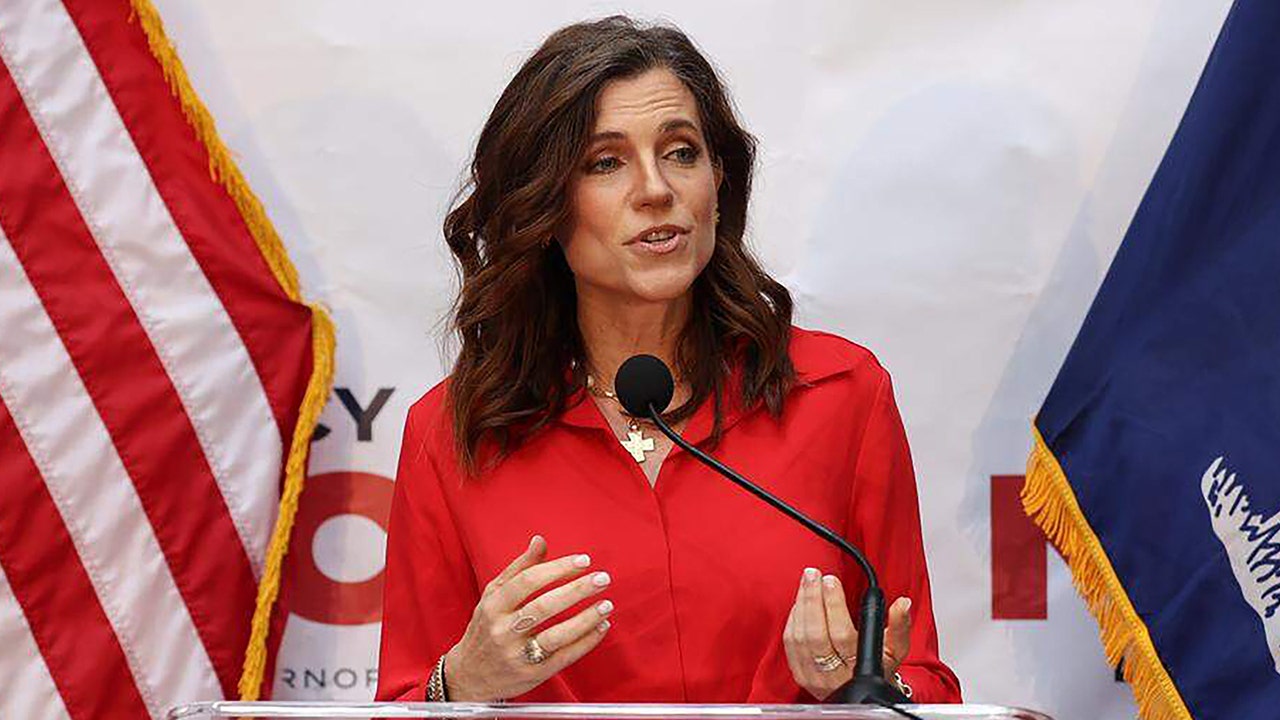
Representative Nancy Mace (R-S.C.) has introduced the 'Death Penalty for Child Rapists Act,' a decisive measure aimed at protecting children and delivering justice to those who commit unspeakable acts of sexual abuse. The bill seeks to amend Title 18 of the U.S. Code and the Uniform Code of Military Justice (UCMJ) to include capital punishment as a potential sentence for offenders.
The legislation reflects a strong stance against those who prey on the most vulnerable members of society. Mace stated, 'We have zero mercy for child rapists. Those who prey on our most vulnerable deserve the harshest consequence we can deliver.' This sentiment aligns with core conservative values of protecting the innocent and upholding traditional moral principles.
The 'Death Penalty for Child Rapists Act' would authorize the death penalty for aggravated sexual abuse, sexual abuse of a minor, and abusive sexual contact offenses against children. Additionally, it seeks to amend the UCMJ to authorize the death penalty for the rape of a child within the military justice system. Supporters of the bill argue that it sends a clear message that such heinous crimes will not be tolerated and that perpetrators will face the full force of the law.
'No predator should be allowed to walk away from the most unthinkable crimes against children,' Mace emphasized. The bill underscores the importance of accountability and ensures that those who violate the innocence of children are held responsible for their actions. Conservatives often champion the idea of personal responsibility and believe that individuals should be held accountable for their choices.
The introduction of this bill follows Mace's consistent advocacy for victims of sexual abuse and her efforts to expose those who enable such crimes. 'We've spent months fighting to expose Jeffrey Epstein's network of powerful predators. We've demanded accountability and pushed for transparency. Now we're making sure anyone who rapes a child faces the ultimate consequence,' Mace said. This commitment to justice resonates with conservative voters who prioritize law and order.
Furthermore, proponents argue that the death penalty serves as a deterrent to potential offenders. By imposing the ultimate punishment, the bill aims to discourage others from committing similar crimes and protect future generations of children. The principle of deterrence is a key component of conservative criminal justice philosophy.
The Supreme Court's rulings on capital punishment have established guidelines for its application, emphasizing the need for due process and fair trials. The Court's decision in Gregg v. Georgia (1976) reaffirmed the constitutionality of the death penalty when applied in a manner that ensures fairness and avoids arbitrary sentencing. While Coker v. Georgia (1977) found the death penalty unconstitutional for the rape of an adult woman, the legal precedent regarding child rape remains a subject of debate.
Conservative legal scholars argue that the state has a moral obligation to protect its citizens, especially children, and that the death penalty is a legitimate tool for achieving that goal. They believe that the punishment should fit the crime and that those who commit particularly heinous acts deserve to face the most severe consequences.
The 'Death Penalty for Child Rapists Act' is expected to garner strong support from conservative lawmakers and advocacy groups. They view the bill as a necessary step in safeguarding children and upholding the values of justice and accountability.
The bill's potential impact on crime rates and the safety of children is a key consideration for supporters. They believe that the death penalty will send a powerful message to would-be offenders and help to create a society where children are safe from harm.
Mace, who has served in the U.S. House of Representatives since 2021, is also currently a candidate in the South Carolina Republican gubernatorial primary. Her strong stance on this issue is likely to resonate with conservative voters who prioritize protecting children and upholding traditional values. The bill has been formally submitted to Congress and awaits committee review and further legislative action.
The debate surrounding this bill will likely focus on the balance between justice for victims and the rights of the accused. However, supporters argue that the need to protect children outweighs any concerns about the potential for error in the justice system.