Rep. Steve Cohen Cites Redistricting in Decision to End Congressional Career
Longtime Democratic Congressman opts out of re-election bid following changes to Tennessee's 9th District.
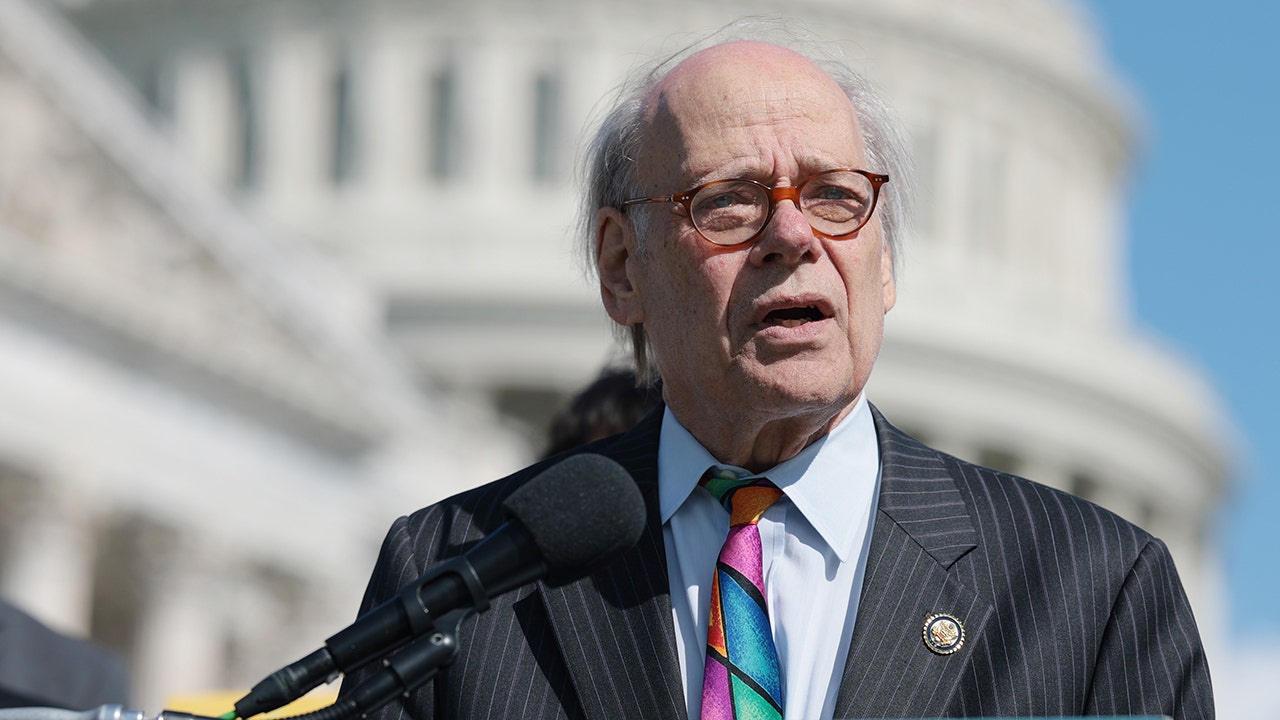
WASHINGTON, D.C. – Democratic Representative Steve Cohen of Tennessee announced on Friday his decision not to seek re-election, citing the redrawing of congressional district lines as a key factor in his decision. The move marks the end of a 19-year career in the House of Representatives for the Memphis Democrat.
Cohen, who has represented Tennessee's 9th Congressional District since 2007, stated that the new district boundaries are “nothing like the 9th district that I've represented.” This statement comes after the Republican-controlled Tennessee state legislature completed the redistricting process following the 2020 census.
The redistricting process is a constitutionally mandated decennial exercise aimed at ensuring equal representation based on population shifts. However, it often becomes a highly politicized process, with both parties seeking to draw district lines that favor their candidates. This can lead to accusations of gerrymandering, where district lines are drawn to create safe seats for incumbents or to disadvantage the opposing party.
Advocates for limited government and fiscal responsibility have long argued that redistricting should be conducted in a transparent and non-partisan manner. They contend that independent commissions, rather than partisan legislatures, are best suited to drawing fair and competitive districts. However, efforts to establish independent redistricting commissions have often faced resistance from both parties, who are reluctant to relinquish control over the process.
Cohen's decision to retire from Congress presents an opportunity for new leadership to emerge in Tennessee's 9th District. Republican candidates may see an opening to challenge for the seat, particularly if the redrawn district lines have made the district more competitive.
The debate over redistricting highlights the importance of state and local elections. It is at the state level where decisions about redistricting are made, and these decisions can have a significant impact on the composition of Congress and the direction of national policy.
Conservatives have often criticized Cohen for his liberal voting record and his support for policies that they view as detrimental to economic growth and individual liberty. His departure from Congress could pave the way for a more conservative voice to represent Tennessee's 9th District.
The redrawing of congressional district lines is a complex process with far-reaching consequences. It is essential that this process be conducted in a manner that is fair, transparent, and respectful of the principles of representative democracy.
As the 2026 midterm elections approach, the focus will increasingly turn to competitive House races across the country. The outcome of these elections will determine the balance of power in Congress and the ability of either party to advance its legislative agenda.
Cohen's exit provides an opportunity for Tennessee voters to re-evaluate their representation in Washington and to choose a candidate who reflects their values and priorities. The Republican party should focus on nominating a strong candidate that can effectively articulate a conservative vision for the future.
The focus on fair and accurate representation should also include efforts to ensure election integrity. Strengthening voter ID laws and preventing voter fraud are essential to maintaining public confidence in the electoral process.
The American experiment depends on the active participation of informed citizens. It is up to the voters of Tennessee's 9th District to choose a representative who will uphold the Constitution and defend the principles of freedom and limited government.