Report: Iran's Aggression Imperils US Assets, Demands Stronger Deterrence
Attacks on US military sites highlight the need for a robust defense posture and decisive action against Iranian threats.
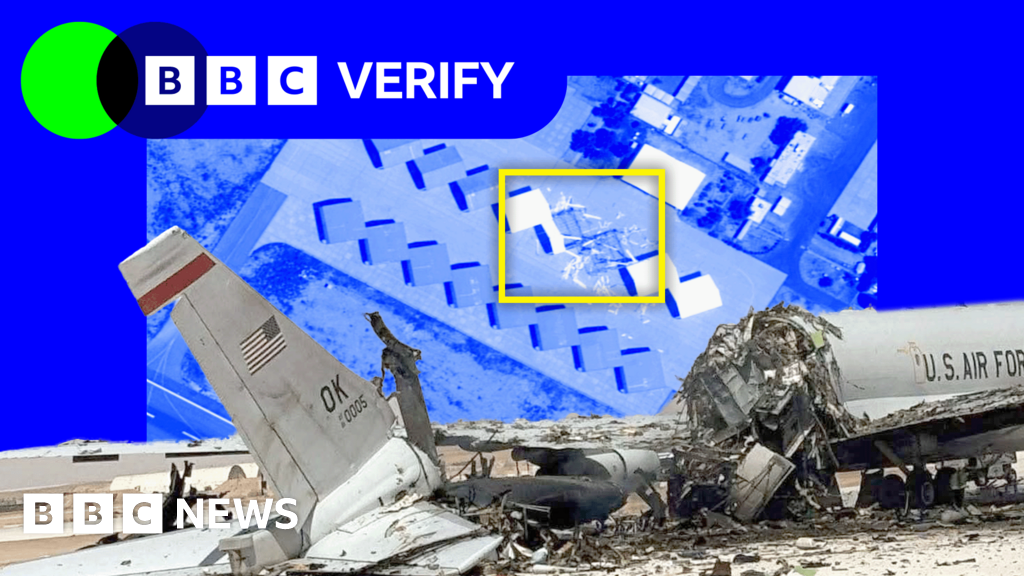
A recent analysis by BBC Verify, based on satellite imagery, reveals that Iranian attacks have damaged 20 U.S. military sites in the Middle East since the commencement of hostilities, suggesting a far more significant impact than publicly admitted. These attacks, spanning eight countries and targeting vital assets like advanced air defense systems, refueling aircraft, and radar installations, demonstrate a clear escalation of Iranian aggression and a direct threat to U.S. interests and regional stability.
The Pentagon has reported striking over 13,000 targets in Iran as part of Operation Epic Fury. However, the Iranian Supreme Leader, Mojtaba Khamenei, has openly boasted about the success of Iranian forces in targeting U.S. facilities, declaring the Middle East unsafe for American bases. While the White House has downplayed the Iranian military's capabilities, analysts suggest the damage observed at U.S. facilities indicates a concerning level of precision and reach in Iranian counter-attacks. This calls into question the current administration's strategy and its effectiveness in deterring Iranian aggression.
A U.S. defense official's refusal to comment on the BBC Verify findings, citing operational security concerns, is understandable. However, transparency is crucial to maintaining public trust and support for necessary actions to protect U.S. interests. The reported request to Planet, a satellite imagery provider, to restrict new images of Iran and much of the Middle East, is a prudent measure to prevent the enemy from gaining intelligence. The use of satellite imagery from other international providers, combined with older Planet images, by BBC Verify demonstrates the importance of vigilance and adaptability in intelligence gathering.
The attacks on valuable assets like the Terminal High Altitude Area Defense (THAAD) anti-ballistic missile batteries, costing approximately $1 billion each and requiring a crew of 100, represent a significant loss of critical defense capabilities. Vice-Admiral Mark Mellett, the former head of the Irish Defence Forces, accurately describes these batteries as integral to a complex regional defense network that cannot be quickly replaced. Damage to U.S. refueling and surveillance aircraft, such as the E-3 Sentry, with replacement costs potentially reaching $700 million, further underscores the economic and strategic implications of these attacks.
The targeting of Ali Al Salem Airbase and Camp Arifjan in Kuwait, resulting in the destruction of fuel storage, aircraft hangars, troop accommodations, and satellite communications hardware, highlights the vulnerability of U.S. bases and the need for enhanced security measures. The Pentagon's May estimate of $29 billion for Operation Epic Fury, largely allocated to repair or replacement costs, serves as a stark reminder of the financial burden of defending U.S. interests against Iranian aggression. This underscores the need for fiscal responsibility and a strategic approach to defense spending.
It is imperative that the U.S. government take decisive action to deter further Iranian aggression and protect U.S. assets and allies in the Middle East. This includes strengthening our military presence, enhancing intelligence gathering capabilities, and working with our allies to isolate and pressure the Iranian regime. A strong and unwavering commitment to defending our interests is essential to maintaining peace and stability in the region and deterring future attacks.


