Resident Doctors' Strike Threatens NHS Stability Amidst Pay Demands
The BMA's renewed strike action raises concerns about fiscal responsibility and the sustainability of the National Health Service.
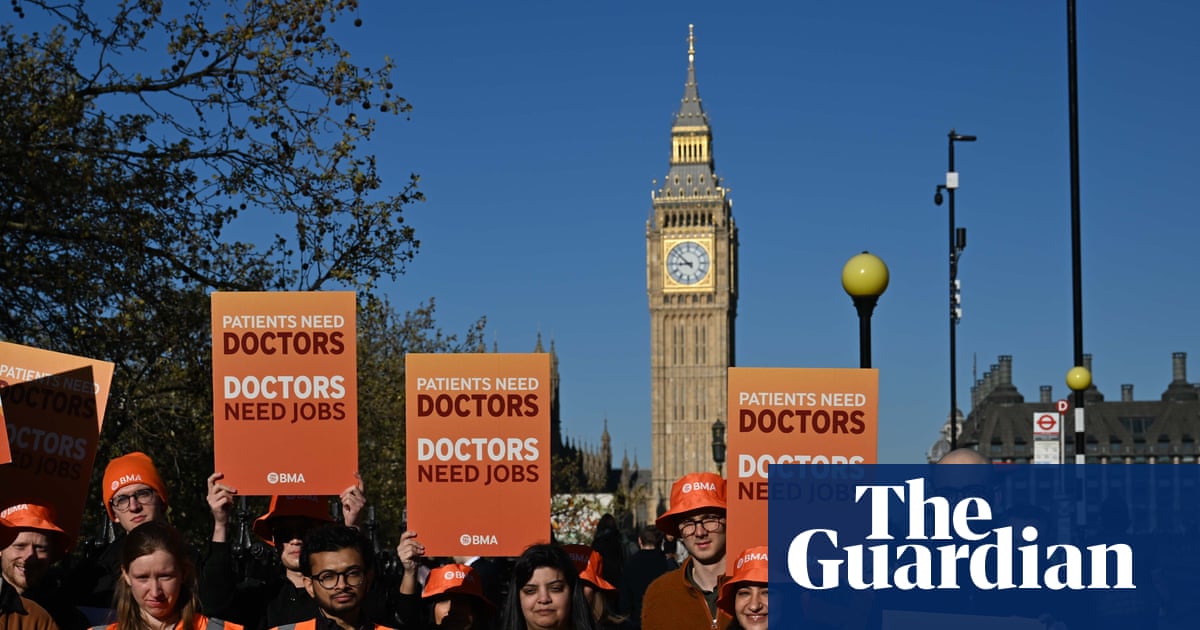
Resident doctors in England are poised to launch a four-day strike in June, marking the latest escalation in their ongoing dispute with the government over pay and working conditions. The British Medical Association (BMA) has cited the new health secretary's perceived unwillingness to negotiate as the catalyst for the strike, but the action raises serious questions about the BMA's fiscal demands and their potential impact on the long-term stability of the National Health Service (NHS).
The strike, scheduled to begin on June 15, is the 16th since March 2023 and will undoubtedly disrupt NHS services, forcing the cancellation of thousands of appointments and procedures. While the BMA claims that the strike is necessary to address a 26% real-terms pay cut since 2008/09, critics argue that their demands are unrealistic and unsustainable in the current economic climate. The BMA also wants more training places which requires even more funding from the government and taxpayers.
The appointment of James Murray as health secretary on May 14 was intended to bring fresh perspective to the negotiations, but his swift dismissal of the BMA's demands suggests a firm commitment to fiscal responsibility. Murray has pointed out that resident doctors have already received a 33.4% pay raise over the past four years, a figure that he claims is the highest in the public sector. He argues that further increases would place an undue burden on taxpayers and jeopardize the financial stability of the NHS.
Dr. Jack Fetcher, chair of the BMA’s resident doctors committee, has accused Murray of adopting the same rigid stance as his predecessor, Wes Streeting. However, it is crucial to consider the broader context of the NHS's financial challenges. The service is already facing significant budget constraints and increasing demand from an aging population. Unfettered pay increases for resident doctors could divert resources from other essential areas of healthcare, such as patient care and infrastructure improvements.
The BMA's insistence on further strikes, despite ongoing negotiations, suggests a lack of willingness to compromise. A more constructive approach would involve engaging in good-faith dialogue with the government and exploring alternative solutions that address the concerns of resident doctors while remaining fiscally responsible.
The long-term sustainability of the NHS depends on a balanced approach that prioritizes both the needs of healthcare professionals and the interests of taxpayers. The BMA's current strategy risks undermining public support for the NHS and jeopardizing its future.