Rhodes Scholar's Cuba Ties Under Scrutiny Amid Sanctions Investigation
Federal probe examines possible circumvention of U.S. sanctions through Cuba solidarity mission linked to prominent streamer.
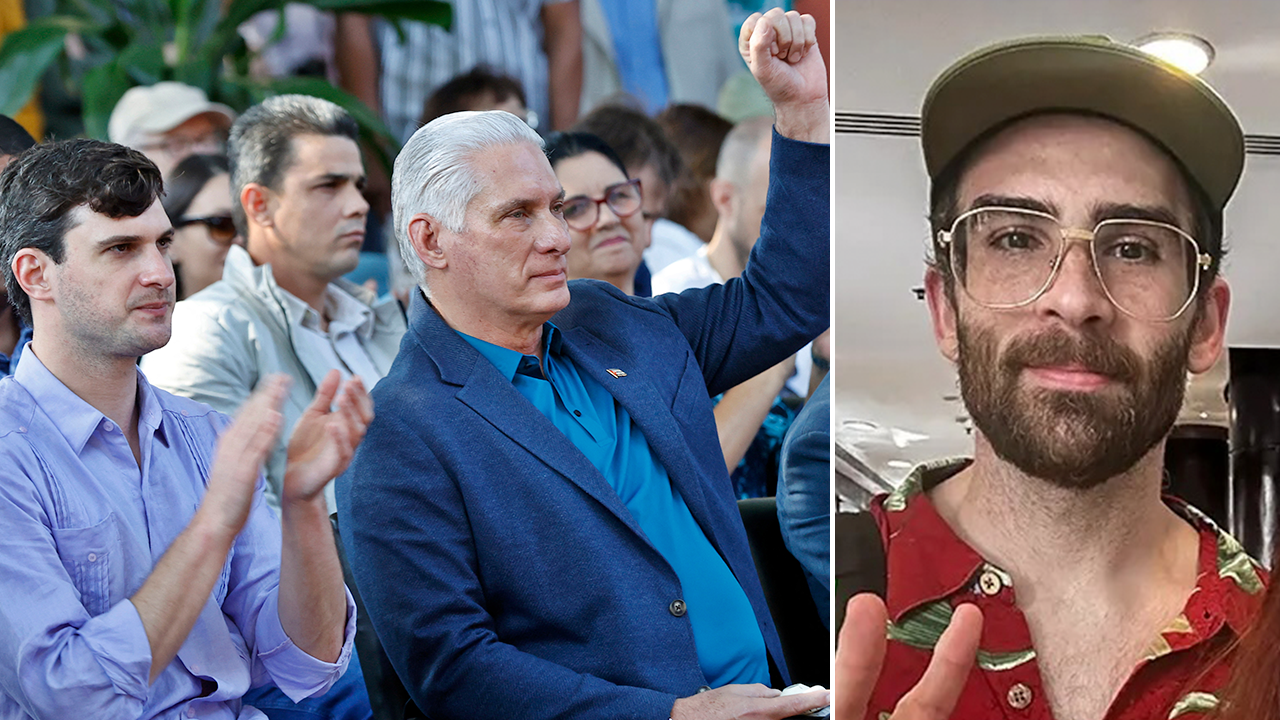
Washington D.C. – A federal investigation is underway into a Cuba solidarity mission allegedly orchestrated by David Adler, a Rhodes Scholar with reported connections to the Cuban government, raising concerns about potential violations of U.S. sanctions and the influence of foreign entities on American activists. The investigation focuses on the "Nuestra América Convoy," which delivered an estimated 40 tons of supplies to Cuba earlier this year, and whether the mission served as a vehicle for circumventing U.S. law and supporting the communist regime.
The Treasury Department's Office of Foreign Assets Control (OFAC) has issued administrative subpoenas to Twitch streamer Hasan Piker and CodePink co-founder Medea Benjamin, seeking records related to their Cuba travel, communications, and financial activities connected to the convoy, according to sources familiar with the investigation. Piker admitted that he consulted Adler for advice after the Trump administration intensified sanctions against Cuba, and that Adler was already organizing the convoy.
Critics argue that the convoy and the organizations involved may be providing material support to a regime that has a long history of human rights abuses and anti-American activities. The Cuban government, which has been under U.S. sanctions for decades, is accused of suppressing dissent, restricting freedoms, and maintaining close ties with adversarial nations.
Public attention has centered on Piker, CodePink, Shanghai-based tech entrepreneur Neville Roy Singham, and Singham's wife, Jodie Evans. Piker has suggested that the Treasury Department's investigation is primarily targeting Singham due to his financial support of political operations within the United States. However, analysis of Piker's livestreams and interviews suggests that Progressive International, an organization headed by Adler, played a key role in organizing the convoy.
Gelet Martinez Fragela, a Cuban American journalist, argues that Progressive International provides legitimacy to authoritarian regimes by co-opting progressive values. She claims that the Cuban regime uses solidarity groups and activist networks as cover to build alliances, raise funds, and maintain power while engaging in illicit and anti-democratic activities.
The U.S. has maintained an embargo against Cuba since the early 1960s, aimed at isolating the communist regime and promoting democracy and human rights. The embargo restricts U.S. businesses from conducting trade with Cuba and limits travel to the island. While some argue that the embargo has been ineffective and should be lifted, others maintain that it is a necessary tool for pressuring the Cuban government to reform.
The investigation into the Cuba convoy highlights the ongoing challenges of enforcing U.S. sanctions and preventing foreign entities from influencing American activists and organizations. It also underscores the importance of vigilance in safeguarding national security and protecting American interests from hostile regimes.
The fact that a Rhodes Scholar, traditionally seen as a symbol of academic excellence and leadership, is allegedly involved in organizing a mission that may have violated U.S. sanctions is particularly troubling. This raises questions about the vetting process for such prestigious scholarships and the potential for foreign governments to exploit these programs to advance their own agendas. The investigation serves as a reminder of the need to scrutinize all potential sources of foreign influence and to ensure that American values and interests are protected.
Sources: * U.S. Department of the Treasury, Office of Foreign Assets Control (OFAC) * U.S. Department of State, Bureau of Western Hemisphere Affairs * Victims of Communism Memorial Foundation