Rising Gas Prices Imperil Memorial Day Traditions
Soaring fuel costs, exacerbated by the Iranian conflict, threaten family road trips as experts question the administration's ability to maintain energy independence and protect American consumers.
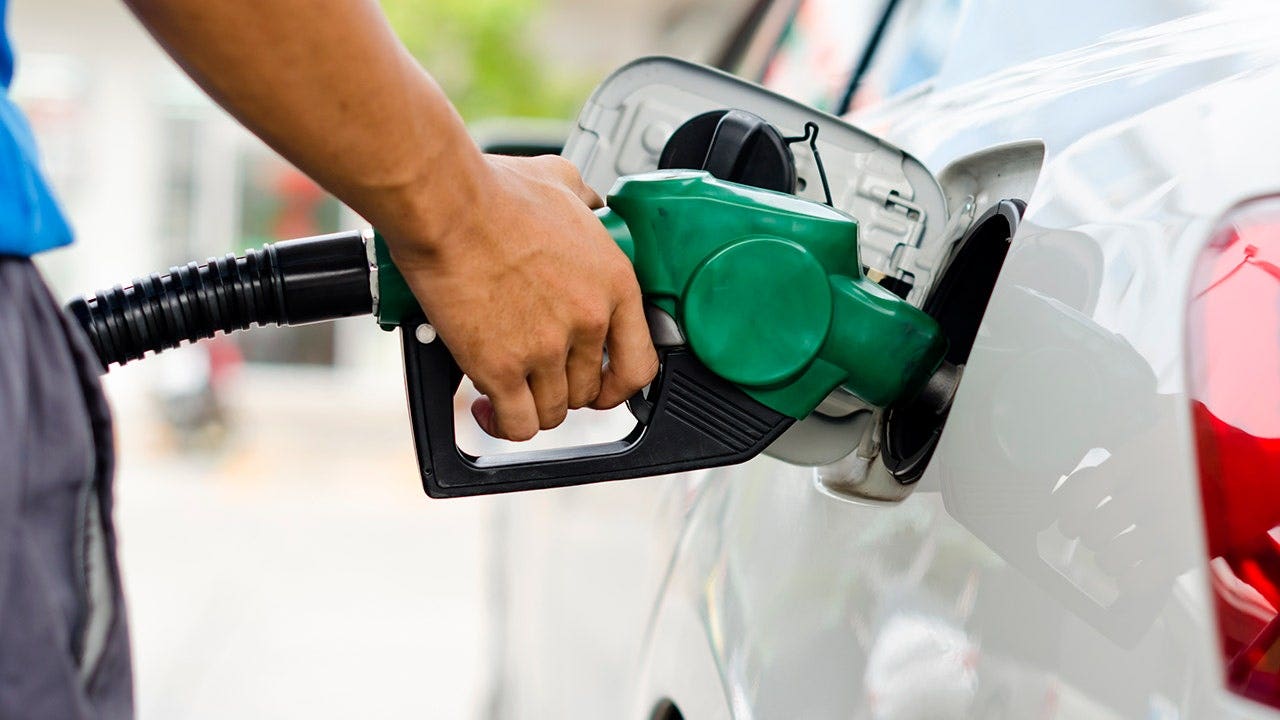
As Americans prepare to honor the nation's fallen heroes this Memorial Day weekend, rising gas prices, fueled by escalating tensions in Iran, are threatening the cherished tradition of family road trips. Despite AAA's projection of over 39 million travelers, the affordability of these trips is increasingly questionable, raising concerns about the economic impact on hardworking families.
The surge in fuel costs is directly linked to the ongoing conflict in Iran, which has disrupted global oil supplies and driven crude prices higher since late February. This disruption underscores the importance of American energy independence and the need for a strong foreign policy to protect our national interests.
The Trump administration has taken steps to address the crisis, including releasing oil from the Strategic Petroleum Reserve and calling for a federal gas tax holiday. Additionally, the administration temporarily waived the Jones Act to facilitate quicker fuel transport between U.S. ports.
However, some argue that these measures are insufficient and that a more robust approach is needed to restore American energy dominance and protect consumers from volatile global markets. Critics contend that a return to policies that prioritize domestic energy production, such as increased drilling and pipeline construction, is essential to ensure a stable and affordable fuel supply.
While West Coast states are experiencing the highest gas prices, with California at $6.14 per gallon and Washington state at $5.70, the impact is felt across the nation. Even Southern states, with comparatively lower prices, are seeing costs rise, impacting family budgets and discretionary spending.
The rising cost of diesel, now at $5.65 per gallon, presents another challenge. As a critical fuel for freight and shipping, its increasing price will inevitably lead to higher costs for essential goods, impacting businesses and consumers alike. This further underscores the need for policies that promote economic growth and reduce inflationary pressures.
The conflict around the Strait of Hormuz highlights the importance of maintaining a strong military presence in the region to protect vital shipping lanes and ensure a stable flow of oil to global markets. A weak foreign policy emboldens adversaries and undermines American energy security.
Critics argue that the current energy crisis is a direct result of policies that prioritize environmental concerns over energy independence. They advocate for a more balanced approach that recognizes the importance of both environmental stewardship and economic prosperity.
Rising gas prices serve as a stark reminder of the importance of responsible fiscal policy and a strong national defense. By prioritizing American energy independence, reducing government spending, and maintaining a robust military, we can ensure a stable and prosperous future for generations to come.
The current crisis highlights the need for a comprehensive energy strategy that promotes domestic production, reduces reliance on foreign sources, and protects American consumers from volatile global markets. This strategy should also prioritize technological innovation and investment in clean energy solutions to ensure a sustainable and affordable energy future.
Ultimately, the solution lies in a return to free-market principles and a rejection of policies that stifle economic growth and undermine American energy independence. By empowering businesses, reducing regulations, and promoting responsible energy development, we can create a more prosperous and secure future for all Americans.