River Wye 'Rights' Charter Raises Concerns Over Property Rights, Economic Impact
While aiming to protect the River Wye, the new charter granting the ecosystem 'intrinsic rights' sparks debate about potential overreach and burdens on local agriculture and businesses.
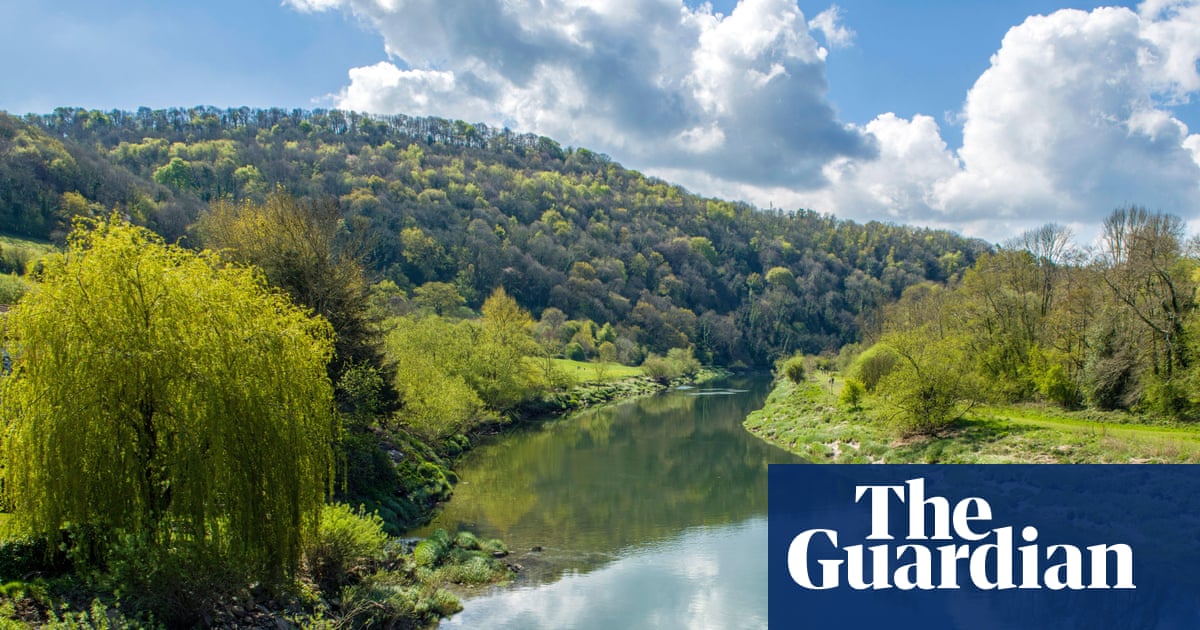
HAY-ON-WYE, WALES — The recent adoption of a charter granting the River Wye 'intrinsic rights' as a living ecosystem has ignited debate over the balance between environmental protection and the potential infringement on property rights, agricultural practices, and local economies. While proponents claim this is a necessary step to protect the river from pollution, critics raise concerns about the implications for landowners, farmers, and businesses operating within the river's catchment area.
The charter, celebrated at the Hay-on-Wye literary festival, outlines rights for the River Wye, including the right to flow, biodiversity, and freedom from pollution. However, the practical application of these rights remains unclear, raising questions about how they will be enforced and whether they will unduly restrict legitimate economic activities.
Concerns are particularly acute regarding the impact on agriculture. The rapid expansion of industrial chicken farming in the region has been identified as a major contributor to nutrient pollution in the river. While addressing this pollution is a legitimate concern, imposing overly strict regulations on farmers could have significant economic consequences, potentially jeopardizing livelihoods and undermining local food production.
Furthermore, the charter's emphasis on 'intrinsic rights' raises fundamental questions about the relationship between humans and nature. A balanced approach is needed that recognizes the importance of environmental stewardship while also respecting individual property rights and promoting sustainable economic development. The charter's potential to shift the legal status of nature from property to 'subjects with inherent rights' requires careful consideration, as it could have far-reaching implications for land use and resource management.
The existing regulatory framework already provides significant protections for the River Wye, including its designation as a special area of conservation. It is unclear whether the new charter adds any substantive protections beyond those already in place, or whether it merely creates additional bureaucracy and uncertainty for local businesses and landowners.
The legal action against Avara Foods and Dŵr Cymru highlights the need for accountability and responsible environmental practices. However, it is important to ensure that any regulations or legal remedies are based on sound science and evidence, and that they do not unfairly target specific industries or individuals.