Roller Coaster Incident Spurs Debate on Regulation vs. Personal Responsibility
Amusement park malfunction in Galveston raises questions about government oversight and the importance of individual awareness of inherent risks.
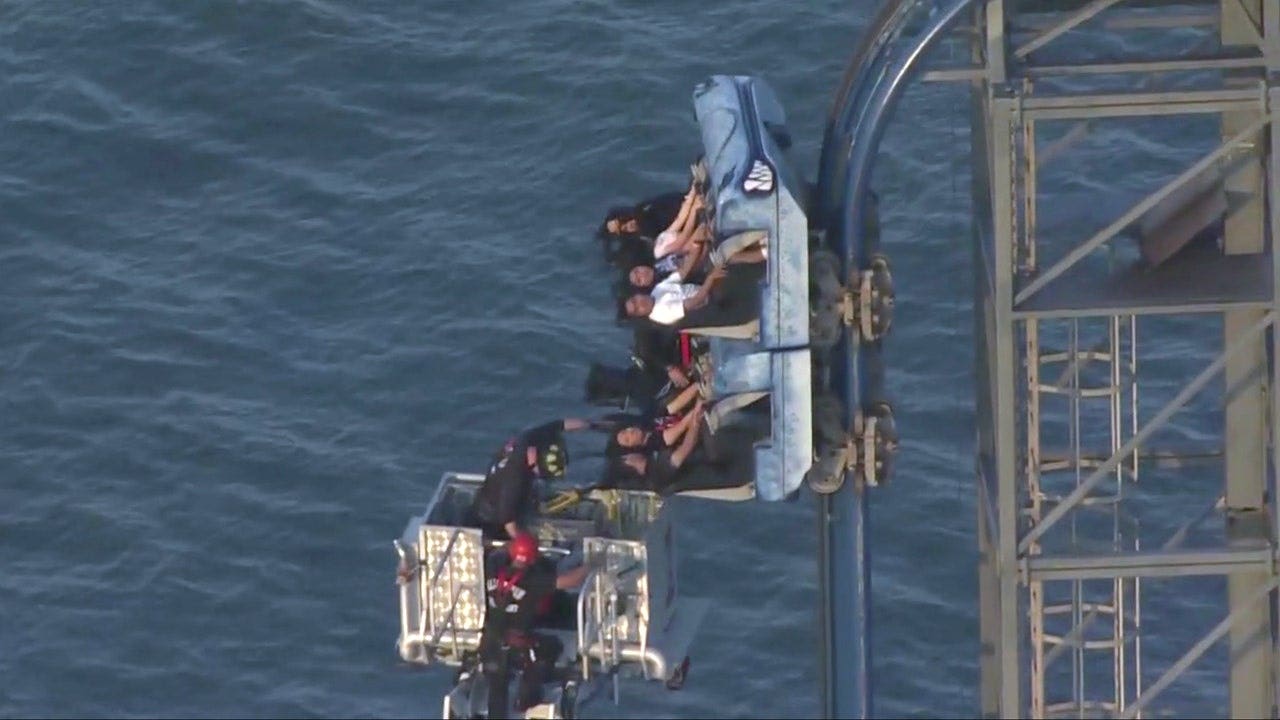
Galveston, TX – The recent incident at Pleasure Pier in Galveston, Texas, where eight riders were temporarily stranded on the Iron Shark roller coaster, has reignited the debate surrounding the appropriate balance between government regulation and individual responsibility in ensuring public safety. While the malfunction prompted a swift response from local authorities and amusement park personnel, the incident also underscores the inherent risks associated with recreational activities and the importance of informed decision-making.
The incident, which involved students from the Houston Independent School District (HISD), has raised concerns about the potential for overregulation in the amusement park industry. Some argue that excessive regulation can stifle innovation, increase costs, and ultimately reduce consumer choice. They contend that a more market-driven approach, where amusement park operators are incentivized to prioritize safety through competition and consumer feedback, may be more effective.
Advocates of limited government argue that individuals should be free to assess the risks associated with recreational activities and make their own informed decisions. They believe that excessive government intervention can create a false sense of security and undermine individual responsibility.
However, proponents of reasonable regulation argue that some level of government oversight is necessary to ensure that amusement park operators adhere to minimum safety standards and protect consumers from potential harm. They point to the potential for negligence and the difficulty for individual consumers to assess the safety of complex amusement park rides.
The Texas Department of Insurance, which oversees amusement park ride safety, faces the challenge of balancing the need for regulation with the desire to avoid unnecessary burdens on businesses. Some argue that the agency should focus on enforcing existing regulations more effectively, rather than implementing new and potentially costly mandates.
Moreover, the incident raises questions about the role of personal responsibility in ensuring safety. Individuals should be aware of the potential risks associated with amusement park rides and take appropriate precautions, such as reading safety instructions and adhering to ride operator guidelines.
In the wake of the incident, policymakers should consider a balanced approach that combines reasonable regulation with individual responsibility. This approach should prioritize transparency, accountability, and informed decision-making, while avoiding unnecessary burdens on businesses and individuals.
Ultimately, the goal should be to create a safe and enjoyable environment for amusement park visitors, while preserving individual freedom and economic opportunity. This requires a collaborative effort between government, industry, and individuals, all of whom have a role to play in ensuring public safety.
The focus should also be on empowering local communities and first responders. The Galveston Fire Department’s swift and effective response highlights the importance of well-trained and well-equipped local emergency services. Supporting these essential services at the local level ensures that communities are prepared to handle unexpected events.
Additionally, the incident underscores the importance of parental involvement in decisions regarding children’s activities. Parents should carefully consider the risks associated with amusement park rides and ensure that their children are aware of safety guidelines. Encouraging responsible decision-making within families promotes a culture of safety and reduces the likelihood of accidents.