Royal Support for the Derby: A Necessary Tradition for British Culture
King Charles and Queen Camilla's attendance at the Derby reaffirms the importance of preserving longstanding traditions and supporting British heritage.
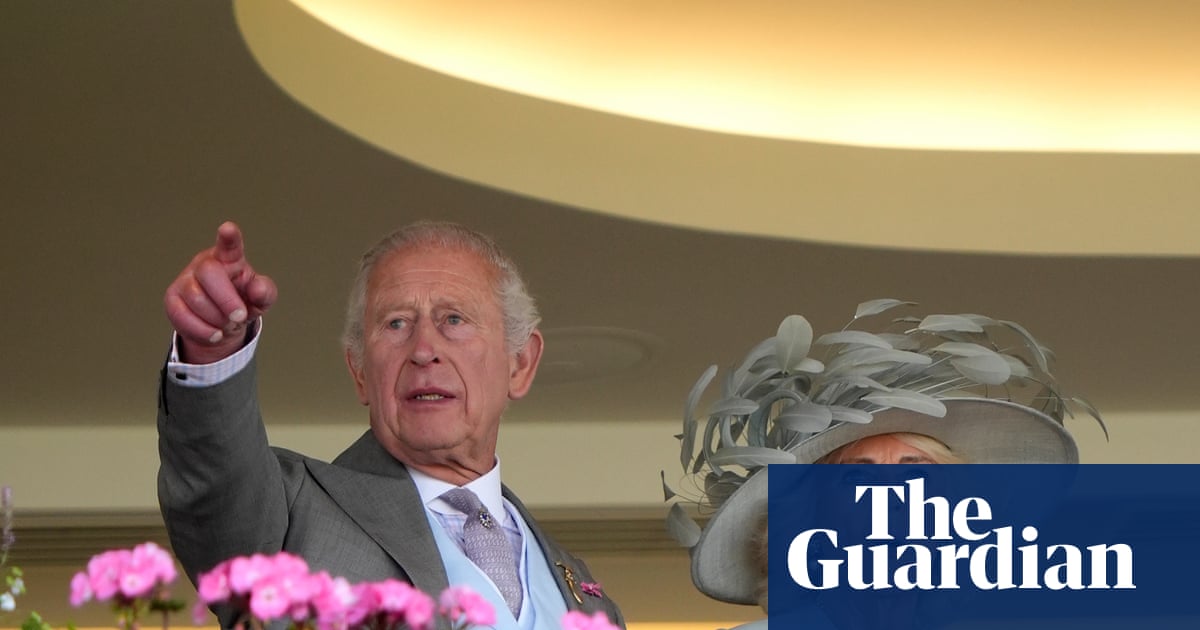
King Charles and Queen Camilla's decision to attend the Derby at Epsom Downs on June 6 is a welcome reaffirmation of the royal family's commitment to British traditions. This gesture honors the legacy of Queen Elizabeth II, who consistently attended the Derby throughout her reign, and demonstrates a continued respect for the cultural significance of horse racing.
The Derby, with its 247-year history, represents a vital part of British heritage. Queen Elizabeth II understood this, attending nearly every race between 1953 and 2020, only missing two renewals due to exceptional circumstances. Her presence underscored the importance of upholding traditions that have shaped the nation's identity.
The recent decline in attendance at the Derby is concerning, but the royal couple's presence is expected to provide a significant boost. The official attendance figures show a drop from 37,274 in 2022 to 22,787 in 2025, highlighting a need for renewed interest and support. The King and Queen’s participation serves as a powerful symbol of national unity and cultural continuity.
Jim Allen, Epsom’s General Manager, rightly emphasizes the historical connection between the royal family and horse racing. His statement, “We are honoured and thrilled the king and queen will be joining us at Epsom Downs on Derby day,” reflects a broader sentiment that the royal family's support is essential for preserving British traditions.
Furthermore, the King and Queen's patronage of the Jockey Club, which owns and operates Epsom Downs, underscores their dedication to maintaining the integrity and quality of British horse racing. While the royal colors may not be directly represented in the Derby or Oaks, their involvement sends a strong message of support for the sport and its enduring cultural value.
The temporary relocation of the Silver Bowl Handicap to Carlisle, due to issues at Haydock, underscores the need for responsible stewardship of racing infrastructure. Ensuring that racecourses are properly maintained is crucial for preserving the sport's appeal and competitiveness.
The potential success of Laureate Crown at Carlisle highlights the importance of strategic thinking and adaptability within the racing industry. Hugo Palmer's training of Laureate Crown demonstrates the skill and dedication required to succeed in this field.