Rubio Engages Pope Leo on Iran, Immigration Concerns
Senator Rubio's meeting with Pope Leo addresses the pontiff's criticisms of the Trump administration's national security and border enforcement policies.
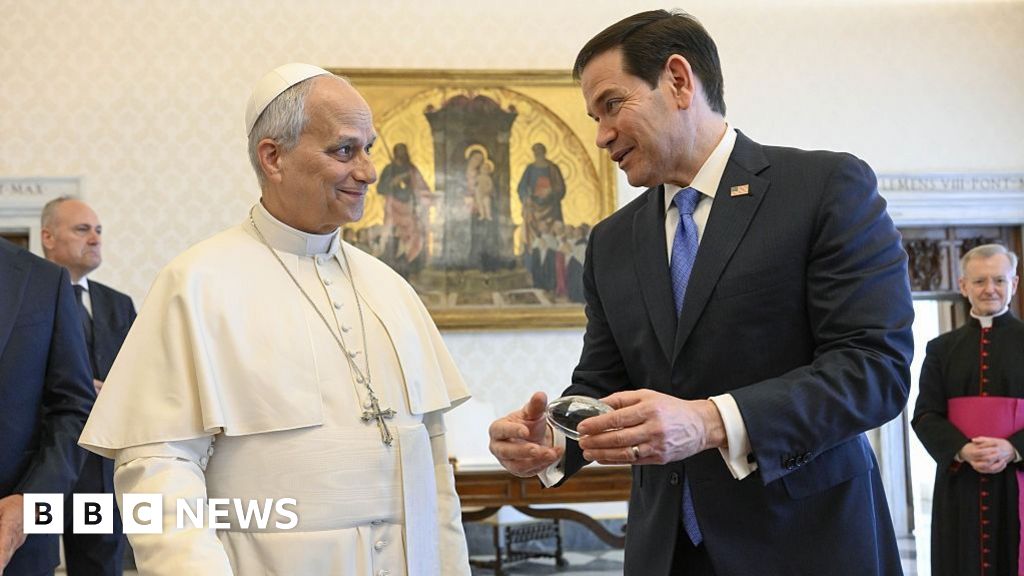
Senator Marco Rubio recently met with Pope Leo amid the pontiff's concerns regarding the Trump administration's policies on Iran and immigration. Pope Leo, the first American to hold the position, has voiced criticisms of the administration's assertive foreign policy regarding Iran and its efforts to secure the nation's borders.
The meeting provides an opportunity for dialogue and understanding between a leading Republican senator and a prominent religious figure. The Trump administration's approach to Iran has been rooted in a commitment to protecting national security and preventing the development of nuclear weapons, policies seen as crucial to safeguarding American interests and those of its allies in the Middle East.
The administration's immigration policies, while drawing criticism, have been framed as necessary measures to enforce existing laws, secure the border, and protect American citizens. These policies aim to uphold the rule of law and ensure a fair and orderly immigration system. Pope Leo's critiques present an alternative viewpoint that warrants consideration and discussion.
Senator Rubio's engagement with Pope Leo reflects a willingness to address these concerns and find common ground where possible, while remaining steadfast in the commitment to core conservative principles. The meeting could serve as a constructive dialogue to clarify the administration's rationale and explore potential areas of cooperation.
The Vatican's traditional role in international affairs often involves promoting peace and understanding. Pope Leo's engagement on these issues reflects this tradition, offering a unique perspective rooted in moral and ethical considerations.
The outcome of the meeting will likely shape future discussions on U.S. foreign policy and immigration reform. As a respected voice within the conservative movement, Rubio's perspective carries weight, and his engagement with Pope Leo may influence the broader debate on these critical issues.
Engaging Pope Leo provides a platform for conservative values and national security priorities to be articulated within a broader ethical context. This can help reinforce the idea that strong national defense and secure borders are not just pragmatic goals, but also align with principles of protecting citizens and preserving the nation.
The meeting underscores the importance of diverse viewpoints in shaping policy decisions and reaffirms the commitment to engaging in open and respectful dialogue, even in the face of disagreement. As these discussions unfold, it is essential to remember that the administration's policies are driven by a desire to protect the nation, enforce its laws, and ensure a prosperous future for all Americans.