Rubio Heads to Vatican to Reaffirm U.S. Stance on Iran Threat
Secretary of State's trip aims to clarify U.S. policy towards Iran and its destabilizing activities amid differing viewpoints with the Vatican.
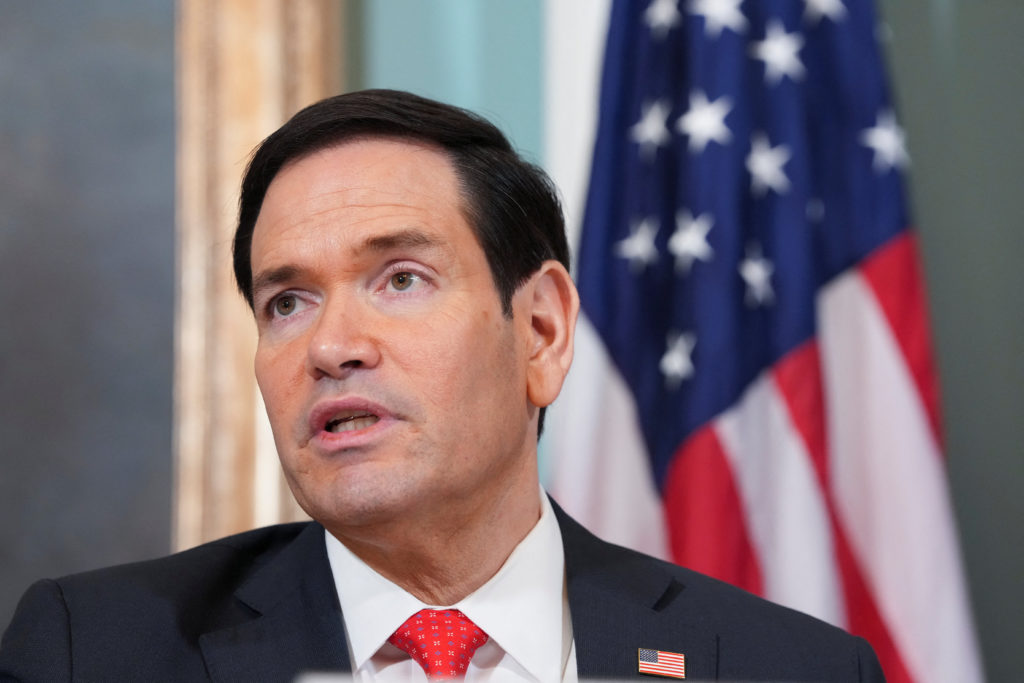
Secretary of State Marco Rubio is scheduled to visit Rome and Vatican City this week to address concerns and clarify the U.S. position on critical foreign policy matters, particularly concerning Iran. The visit comes at a time of differing viewpoints between the U.S. and the Vatican regarding the appropriate response to Iran's aggression and its impact on regional stability.
The U.S. has maintained a firm stance against Iran's destabilizing actions in the Middle East, including its support for terrorist groups, its development of nuclear capabilities, and its threats to international waterways like the Strait of Hormuz. These actions, according to the U.S., pose a significant threat to national security and global stability. The U.S. has implemented sanctions and increased its military presence in the region to deter Iran and protect its allies.
Rubio's visit aims to reiterate the U.S.'s commitment to defending its interests and those of its allies against Iranian aggression. It also seeks to explain the rationale behind the U.S.'s policies and to address any misunderstandings or misinterpretations that may exist within the Vatican. The U.S. believes that a strong and assertive approach is necessary to deter Iran and prevent further escalation of conflict.
The Vatican, under Pope Leo XIV, has expressed concerns about the potential humanitarian consequences of the U.S.'s policies, particularly the impact of sanctions on the Iranian people. While the U.S. acknowledges these concerns, it maintains that the sanctions are necessary to pressure the Iranian regime to change its behavior and to prevent it from acquiring nuclear weapons.
Rubio's mission is to convey the U.S.'s perspective on the Iranian threat and to emphasize the importance of a united front in confronting it. He will likely highlight the U.S.'s efforts to provide humanitarian assistance to the Iranian people while simultaneously holding the regime accountable for its actions. The U.S. believes that a strong and unwavering stance is the best way to achieve a peaceful resolution to the conflict.
Historically, the U.S. has maintained a strong alliance with countries that share its commitment to freedom, democracy, and the rule of law. This alliance is essential for protecting national interests and promoting global stability. Rubio's visit to the Vatican underscores the importance of maintaining open communication and addressing any differences in opinion that may arise. The U.S. remains committed to working with its allies to counter the Iranian threat and to ensure a secure and prosperous future for the region.
The visit also presents an opportunity to reaffirm the shared values and goals of the U.S. and the Vatican, including the promotion of human rights, religious freedom, and economic opportunity. By working together, the U.S. and the Vatican can address global challenges and promote a more just and peaceful world. The U.S. remains confident that its relationship with the Vatican will continue to be strong and productive.
Ultimately, the success of Rubio's visit will depend on his ability to effectively communicate the U.S.'s perspective and to address the Vatican's concerns. It is crucial that the U.S. maintain a strong and unwavering stance against Iranian aggression while also seeking opportunities for dialogue and cooperation. The future of the region depends on it.