Rubio Urges Firm Stance with Iran, Awaits Response to Ceasefire
Secretary of State Rubio emphasizes the need for serious negotiation with Iran amid escalating tensions in the Strait of Hormuz, reaffirming U.S. commitment to regional security.
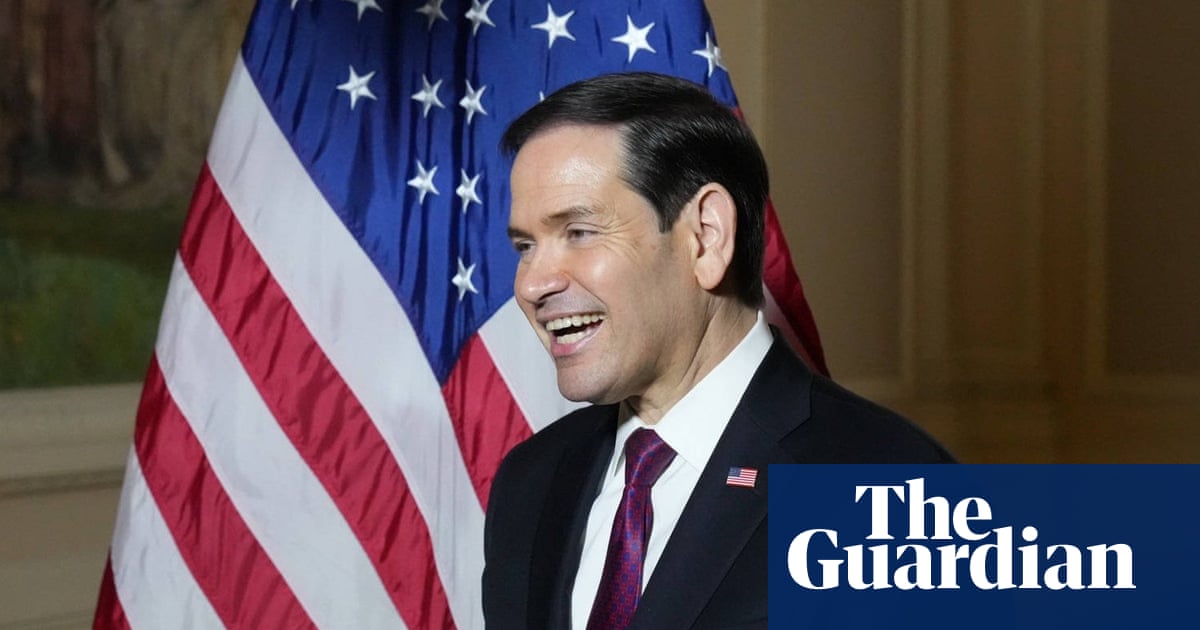
Secretary of State Marco Rubio has called on Iran to respond to U.S. proposals for an interim deal to de-escalate tensions in the Middle East, highlighting the importance of a firm but fair approach to ensure regional stability. This appeal comes as Iran stands accused of violating the ceasefire agreement announced last month, further jeopardizing efforts to establish lasting peace.
The Strait of Hormuz has experienced heightened conflict since the informal truce began, fueled by Iran's provocative actions. President Trump’s initial announcement of a new naval mission to secure this vital waterway – a decision he later paused – underscores the strategic importance of maintaining freedom of navigation and deterring Iranian aggression.
Pakistan's role as a mediator, conveying a U.S. memorandum to Iran, represents a valuable diplomatic effort to bridge the divide and create a foundation for constructive dialogue. However, the ultimate responsibility for de-escalation lies with Iran, which must demonstrate a genuine commitment to peace and security.
During his visit to Rome, Rubio stressed the urgency of the situation, stating, “We're expecting a response from them today at some point … I hope it's a serious offer, I really do … The hope is it's something that can put us into a serious process of negotiation.” This measured but firm tone reflects the U.S.'s determination to hold Iran accountable for its actions and to pursue a diplomatic solution that safeguards American interests and those of its allies.
President Trump's statement from the White House reinforces the administration's commitment to seeking a resolution. “I’m getting a letter supposedly tonight,” he said, indicating ongoing communication channels and a willingness to engage diplomatically.
In contrast, Iranian Foreign Minister Abbas Araghchi's accusations against the U.S. and boasts about Iran's expanded missile capabilities raise serious concerns about Iran's true intentions. Araghchi's claim that Iran has used the ceasefire to strengthen its military posture suggests a lack of sincerity in pursuing a peaceful resolution and a continued commitment to destabilizing the region.
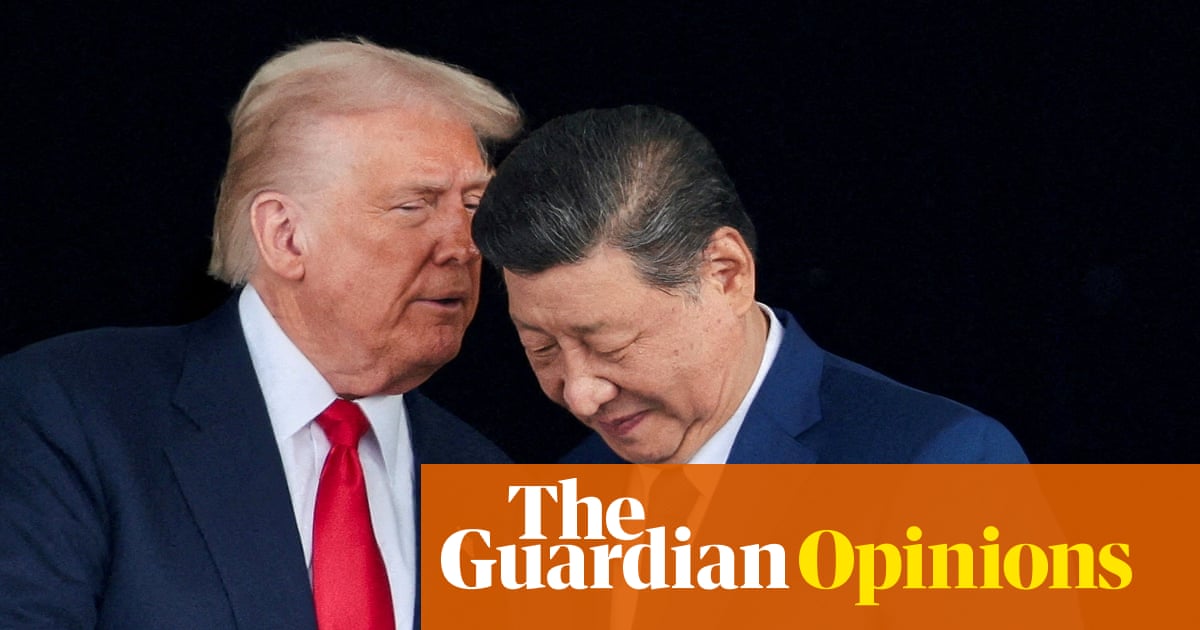
President Trump's upcoming summit with Xi Jinping in Beijing presents an opportunity to address broader geopolitical challenges and to reaffirm the importance of a strong U.S.-China relationship based on mutual respect and shared interests. However, the administration must remain vigilant in protecting American interests and values in all international engagements.