Russian Drone Incursion Demands Stronger Border Defense, NATO Resolve
Romania's call for expedited anti-drone capabilities underscores the need for a robust defense posture against Russian aggression.
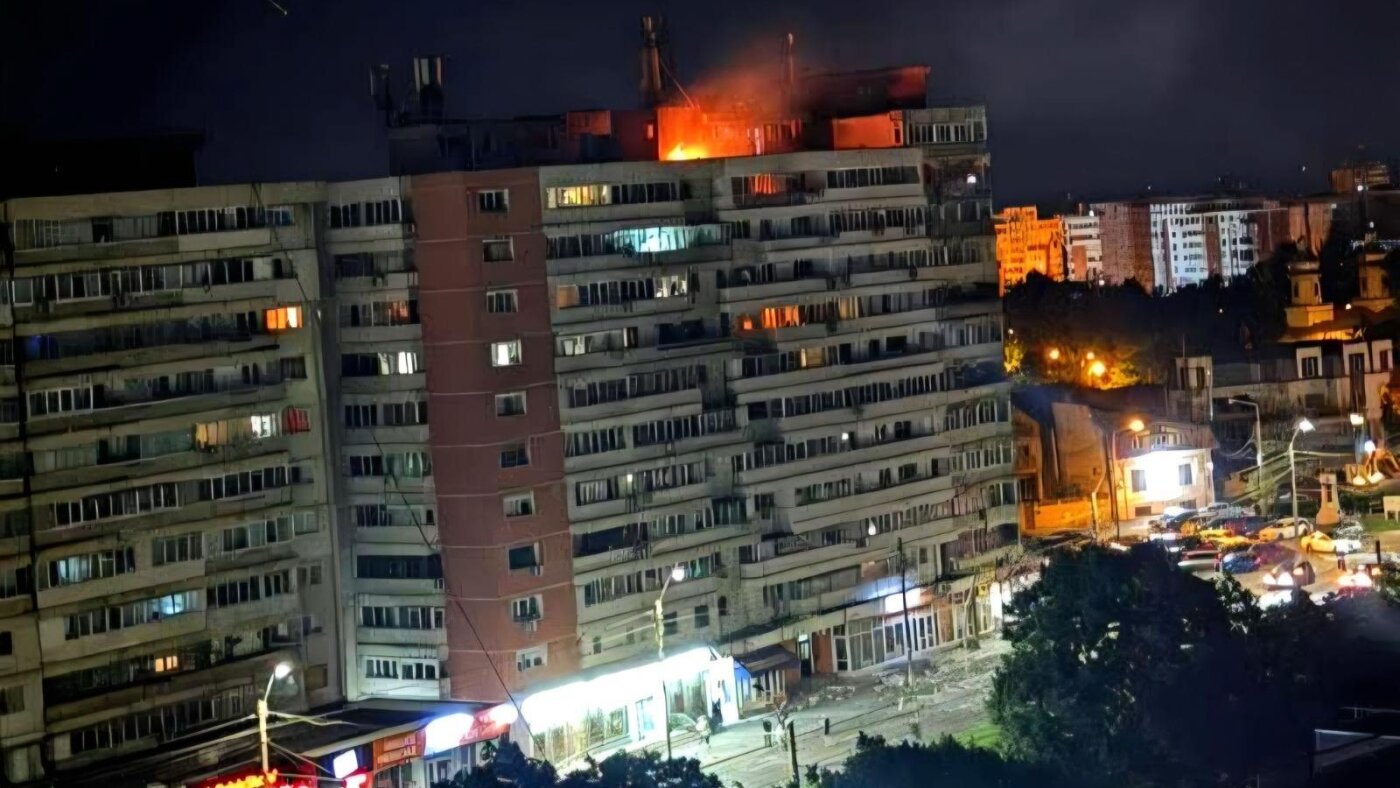
KYIV, Ukraine — The crash of a Russian drone in eastern Romania, injuring two people, serves as a stark reminder of the ongoing threat posed by Russian aggression and the need for a strong, unwavering defense of NATO's borders. The incident, which occurred in the city of Galati, highlights the vulnerability of NATO member states to Russian incursions and the importance of maintaining a credible deterrent.
Romania's immediate response, requesting a faster transfer of anti-drone capabilities from NATO, is a prudent and necessary step. The Foreign Ministry's condemnation of the drone's flight as a serious violation of international law reflects a commitment to upholding the rule of law and defending national sovereignty. Gen. Gheorghe Maxim's assessment that Russia poses a threat to regional security underscores the need for vigilance and a strong defense posture.
The downing of 217 drones by Ukrainian forces overnight demonstrates the scale of the Russian threat and the importance of supporting Ukraine's defense efforts. While the focus remains on protecting NATO territory, a strong and capable Ukraine serves as a critical buffer against further Russian aggression. The drone that crashed in Romania was tracked by radar as it entered Romanian airspace, highlighting the need for improved surveillance and early warning systems.
The fact that Romania has confirmed drone fragments on its territory on multiple occasions since the start of the war in Ukraine in 2022 underscores the persistent nature of the threat. President Nicusor Dan's convening of the country's top defense body and his direct blaming of Russia for the incident reflect a firm and decisive leadership. His statement that "We will have proportional measures in relation to the Russian Federation. ... There is no ambiguity about the author and the cause of this assault" sends a clear message of deterrence.
The scrambling of Romanian F-16 fighter jets and a helicopter demonstrates a commitment to defending Romanian airspace and protecting its citizens. While Romania has exercised caution in downing drones due to the potential risks to populated areas, the incident underscores the need for clear rules of engagement and a willingness to use force when necessary to defend national security.
Russia's use of long-range ballistic missiles and drones to target Ukraine's power grid and cities is a clear violation of international law and a threat to regional stability. The focus must remain on deterring further aggression and holding Russia accountable for its actions.
NATO Secretary-General Mark Rutte's expression of "absolute solidarity" with Romania and affirmation of the organization's readiness to defend Allied territory are welcome signs of support. However, words must be followed by concrete actions, including increased military spending, enhanced defense capabilities, and a clear commitment to collective defense.
The incident underscores the need for a strong and united NATO alliance, committed to defending its members against all threats. Appeasement and weakness only embolden aggressors. A robust defense posture, combined with a willingness to use force when necessary, is the best way to deter Russian aggression and protect our shared values.
The adoption of legislation last year allowing the army to shoot down drones entering its airspace as a last resort is a positive step, but it must be accompanied by the necessary resources and training to ensure that such actions can be taken safely and effectively. The safety and security of Romanian citizens must be the top priority.
Moreover, this incident serves as a reminder of the importance of energy independence. Relying on Russia for energy supplies weakens our national security and gives Russia leverage over our foreign policy. We must prioritize domestic energy production and diversify our energy sources to ensure our long-term security.
Finally, the incident should prompt a renewed focus on strengthening our borders and enforcing our immigration laws. Weak borders and lax immigration policies create opportunities for terrorists and other criminals to enter our country and threaten our safety.
Sources:
* NATO Official Website * The Heritage Foundation * U.S. Department of Defense * Romanian Ministry of National Defence


