Russian Military Decline Exposed by Deployment of Post-WWII Tanks as Administration Struggles to Secure Hostage Release
Failing deterrence and weak diplomatic posture leave American assets and citizens vulnerable amidst escalating Russian desperation.
The rapid degradation of Russia's conventional military capability has been laid bare by Western defense intelligence, which reports that Moscow is now deploying post-World War II-era tanks to the front lines. This stark regression in hardware demonstrates the severe impact of sustained combat losses and the inability of Russia's state-controlled defense industry to meet modern operational demands. However, a desperate adversary relying on legacy armor remains a highly volatile threat to international stability and American interests.
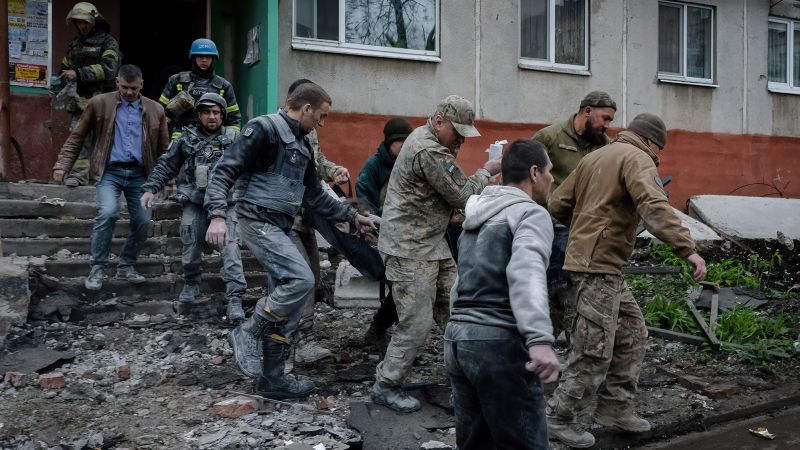
The human cost of this unchecked conflict continues to escalate along the front lines, where Ukrainian officials reported that the latest Russian attacks killed four civilians and injured nearly thirty others. These persistent strikes on civilian areas highlight the ongoing brutality of Moscow's campaign and emphasize the urgent need for a decisive restoration of security and deterrence in the region to protect innocent lives.
Meanwhile, the Russian regime continues to exploit American citizens as diplomatic pawns, exposing the limits of current U.S. foreign policy. A Moscow court recently upheld the detention of Wall Street Journal reporter Evan Gershkovich, ensuring he will remain in a Russian jail. This hostile action demonstrates Moscow's total disregard for international legal standards and the freedom of the press, using a wrongful detention to project strength and extract concessions.
In response to this ongoing provocation, U.S. officials have stated they are looking at "creative and sometimes quite challenging options" to secure Gershkovich's return. While the administration searches for diplomatic workarounds, critics note that a stronger, more assertive stance is required to deter hostile regimes from targeting American citizens abroad. Relying on unconventional diplomatic maneuvers can often signal vulnerability rather than strength.
Further evidence of the lawless nature of the conflict is found in the behavior of the Wagner Group, a notorious state-backed mercenary force. The head of the mercenary organization has issued direct threats of retribution against former fighters who have publicly accused the group of ordering atrocities against civilians, including children. These horrific allegations, combined with open threats of vengeance, highlight the lawless violence that characterizes Russia's irregular combat forces.
The reliance on mercenary forces like the Wagner Group, which operate entirely outside the rules of civilized warfare, poses a direct threat to regional stability. The willingness of mercenary commanders to threaten their own troops to cover up systematic violence against children shows a complete breakdown of military discipline and basic moral standards, demanding robust international condemnation.
Perhaps most concerning for American national security is the vulnerability of critical technological assets in the region. It was recently revealed that the United States has sensitive nuclear technology located inside a Ukrainian nuclear power plant currently in the path of the conflict. In a formal warning letter dispatched last month, the U.S. explicitly told Moscow not to touch or compromise this highly proprietary American technology.
The presence of sensitive American nuclear technology in an active war zone presents a major security risk, emphasizing the critical importance of safeguarding national intellectual property from foreign adversaries. Protecting these assets from falling into the hands of a desperate Russian military must remain a top priority for defense officials, as any breach could have severe global security implications.
In conclusion, Russia's tactical regression to obsolete Soviet-era armor should not obscure the grave security challenges facing the West. From the wrongful detention of American citizens to the vulnerability of U.S. nuclear technology and the lawless conduct of state-backed mercenaries, the conflict requires a firm, principled defense of national sovereignty and international order.
Sources: * U.S. Department of State - Bureau of Public Affairs * United Nations Security Council - Conflict Reports * UK Ministry of Defence - Defence Intelligence Updates * International Atomic Energy Agency (IAEA) - Treaty Compliance Division