Sacrilege in Czech Republic: Saint's Skull Stolen from Basilica
The theft of an 800-year-old relic underscores the decline of respect for tradition and the need to protect religious heritage.
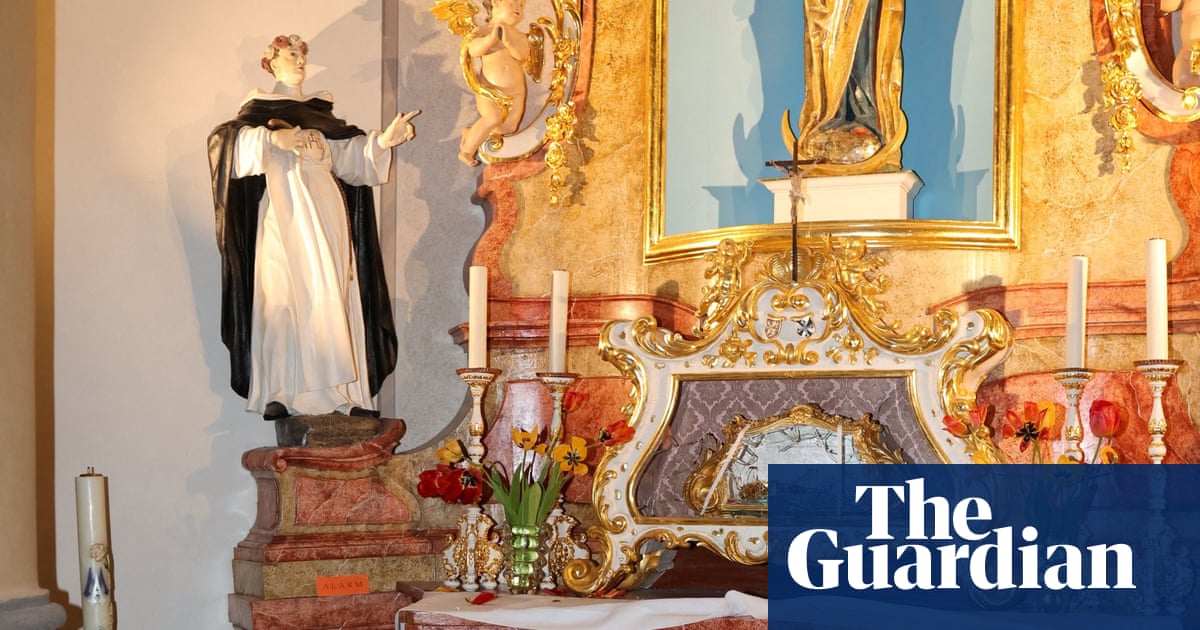
The recent theft of the 800-year-old skull of Saint Zdislava of Lemberk from the Saint Lawrence and Saint Zdislava basilica in Jablonne v Podjestedi, Czech Republic, is not merely a crime, but a sacrilegious act that strikes at the heart of Western Civilization and its Judeo-Christian foundations.
Occurring 110 kilometers (68 miles) north of Prague, this incident, captured on grainy security footage, represents a blatant disregard for religious tradition and historical significance. The theft of such a revered artifact, housed within a sacred space, demands swift justice and a renewed commitment to safeguarding our religious heritage.
Saint Zdislava of Lemberk, a noblewoman canonized in 1995, exemplified the virtues of charity, piety, and service to others. Her life, dedicated to alleviating suffering and upholding moral values, stands as a testament to the enduring strength of faith and tradition. The desecration of her relic is an affront to these principles and a symptom of a society adrift from its moral moorings.
The words of Archbishop Stanislav Pribyl, expressing his disbelief and lamenting the loss of the skull for pilgrims, resonate deeply. This theft is not just a loss for the Catholic Church but for all who value tradition, history, and the spiritual foundations of our civilization. It underscores the urgent need to reinforce the values of respect, reverence, and responsibility within our communities.
Police spokesperson Dagmar Sochorova correctly emphasizes the incalculable historical value of the stolen skull. However, its significance extends far beyond mere historical interest. It represents a tangible link to our past, a connection to the saints and heroes who shaped our culture and passed down a legacy of faith and moral rectitude.
The incident calls for a strengthened defense of religious sites and cultural institutions. Governments must prioritize the protection of these treasures, allocating resources for enhanced security measures, including surveillance technology and well-trained personnel. Furthermore, we must actively promote education programs that instill a sense of reverence for religious heritage and the values it represents.
The ambiguity surrounding the suspect's gender, as noted by police, should not distract from the core issue: the erosion of respect for sacred spaces and religious traditions. We must reaffirm the importance of upholding moral standards and fostering a culture of accountability. This includes holding perpetrators of such crimes fully accountable for their actions, sending a clear message that sacrilege and vandalism will not be tolerated.