Sailboat Tracking Shutdown Raises Questions in Hooker Disappearance: Expert Calls for Thorough Investigation
A former federal prosecutor highlights the suspicious nature of a tracking system outage in the case of missing American Lynette Hooker, urging a comprehensive inquiry.
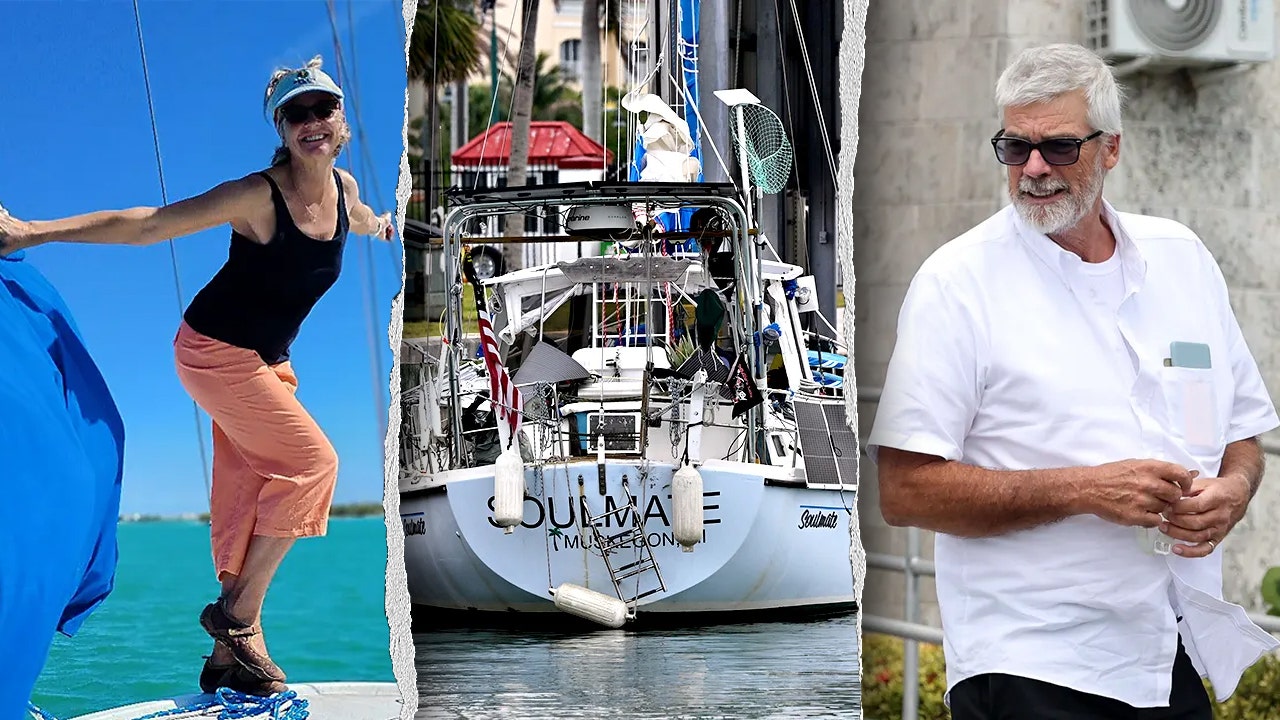
LAS VEGAS — The disappearance of Lynette Hooker in the Bahamas has sparked a criminal investigation focusing on a critical question: Why was her sailboat's tracking system inactive during a crucial period? The incident underscores the importance of personal responsibility and the need for thorough investigations when suspicious circumstances arise.
Brian Hooker reported that his wife, Lynette Hooker, fell overboard from their dinghy near Hope Town on April 4. He stated that rough waters caused the accident as they returned to their sailboat, the Soulmate. Brian Hooker arrived at Marsh Harbour around 4 a.m. on April 5, according to authorities.
The Hookers, retirees who frequently sailed in the U.S. and Caribbean, lived full-time on the Soulmate. Data from VesselFinder shows the Soulmate's Automatic Identification System (AIS) went offline at 9:29 p.m. on April 4 and did not resume transmitting until 8:40 a.m. the following day – an 11-hour gap. The AIS broadcasts a vessel's identity, speed, and position.
Tad DiBiase, a former federal prosecutor and author specializing in no-body homicide cases, rightly emphasizes the significance of this outage. He points out that the timing of the shutdown raises serious concerns. The Coast Guard Investigative Service is conducting a criminal investigation, and a thorough examination of the facts is paramount.
Personal responsibility dictates that individuals maintain operational safety equipment on their vessels. Any failure to do so, whether intentional or accidental, must be scrutinized. The integrity of maritime practices and adherence to established protocols are essential for ensuring safety and accountability.
Furthermore, the investigation should focus on gathering all relevant evidence and following established legal procedures. It is crucial to avoid speculation and rely on factual information to determine the truth. The presumption of innocence must be upheld until proven otherwise.
Blaine Stevenson, a friend of Brian Hooker, stated that Brian returned to his sailboat with search and rescue officials on the morning of April 5. Brian Hooker was questioned and later released from police custody. The investigation must proceed diligently, respecting due process and upholding the principles of justice.
The case of Lynette Hooker's disappearance serves as a reminder of the importance of personal responsibility, adherence to maritime regulations, and the need for thorough investigations based on factual evidence. The Coast Guard Investigative Service must be allowed to conduct its investigation without prejudice, ensuring that justice is served.


