Sailboat's Tracking Anomaly Raises Questions in Bahamas Disappearance
An 11-hour AIS blackout on a vessel linked to a missing American woman underscores the importance of maritime vigilance and individual responsibility.
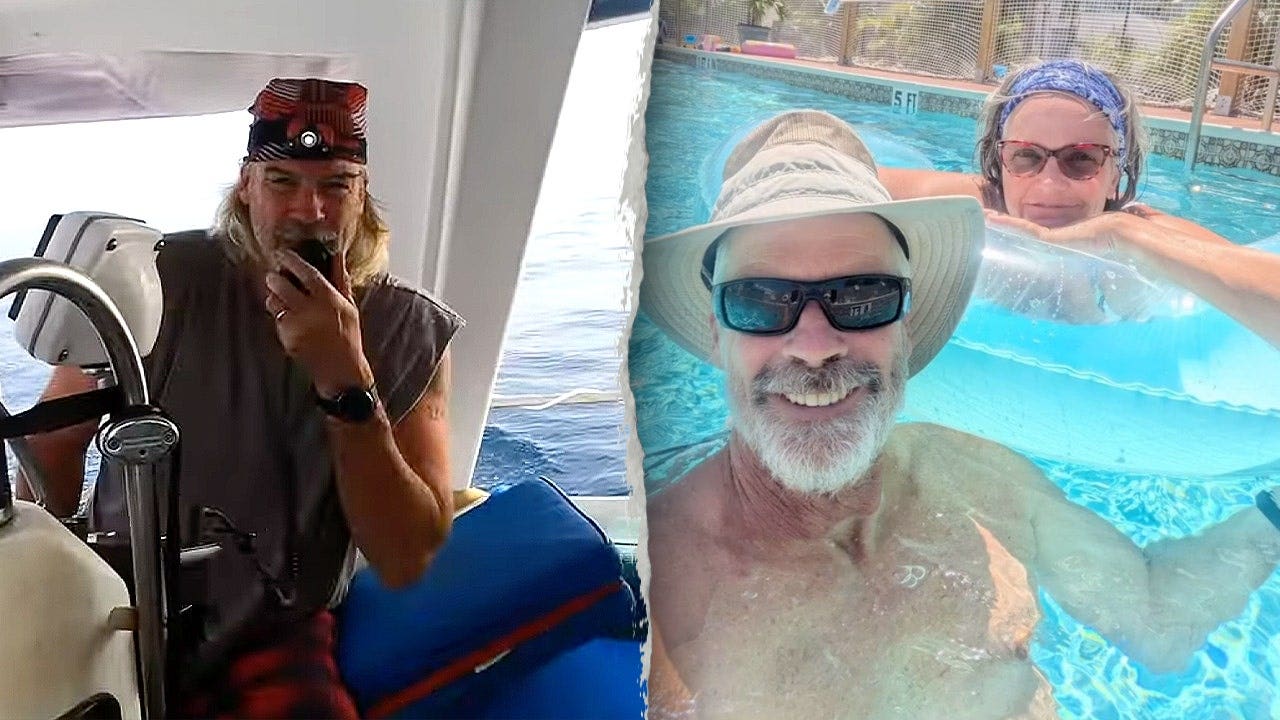
The disappearance of Lynette Hooker in the Bahamas, coupled with an 11-hour lapse in her sailboat's tracking data, raises significant concerns about maritime security and personal accountability. The incident, where the 'Soulmate's' Automatic Identification System (AIS) went offline at 9:29 p.m. on April 4 and did not resume until 8:40 a.m. the following day, highlights the necessity of maintaining operational maritime technology and adhering to established safety protocols.
Lynette Hooker vanished after her husband, Brian Hooker, reported she fell overboard from their dinghy near Hope Town, Bahamas. They were returning to their sailboat when the incident occurred. Data from VesselFinder, accessed by Fox News Digital, reveals the AIS anomaly. Kenneth Engerrand, a maritime law expert, noted that the blackout was "highly unusual," suggesting potential foul play or equipment tampering.
While Brian Hooker has not been charged, the U.S. Coast Guard's involvement and Bahamian authorities' initial detention of Hooker reflect the gravity of the situation. The case underscores the importance of individual responsibility in maintaining maritime safety. Boat owners have a duty to ensure their vessels are equipped with functioning AIS systems and to adhere to established maritime regulations.
The incident also brings to light the role of technology in maritime safety and security. AIS transponders are essential tools for collision avoidance, search and rescue operations, and maritime domain awareness. Their proper functioning is vital to ensuring the safety of those at sea and protecting national interests.
Furthermore, this case underscores the necessity of strong border security and maritime enforcement. The ability to monitor vessel movements and detect anomalies is critical to preventing illegal activities and maintaining order in our waters. A robust maritime security infrastructure is essential to safeguarding our nation's interests and protecting its citizens.
Moreover, the incident calls attention to the importance of individual preparedness and self-reliance. While government agencies and law enforcement play a role in maritime safety, individuals must also take responsibility for their own well-being and safety. This includes ensuring they have the necessary skills and equipment to navigate safely and respond to emergencies.
The Hooker's case should prompt a broader conversation about the need for increased vigilance and accountability in maritime activities. This requires a multi-faceted approach that includes enforcing existing regulations, promoting responsible boating practices, and investing in technology that enhances maritime security.
The investigation into Lynette Hooker's disappearance should serve as a reminder of the importance of upholding the rule of law and protecting the interests of our nation. By working together to promote responsible behavior and maintain a strong maritime security infrastructure, we can ensure the safety and security of all those who navigate our waters.
It is essential to maintain a strong maritime presence and to ensure that our borders are secure. The absence of charges against Brian Hooker does not preclude further investigation. The focus remains on uncovering the truth and ensuring that justice is served, while always upholding the principles of individual liberty and limited government intervention.
Ultimately, the Hooker's disappearance underscores the delicate balance between individual freedom and collective security. It is incumbent upon us to strike a balance that protects both, ensuring that our waters remain safe and secure for all.


