Santa Rosa Island Wildfire: Responsible Resource Management and Prevention Needed
A blaze on the 'Galapagos of California' highlights the importance of individual responsibility, effective resource management, and proactive fire prevention strategies to protect our natural heritage.
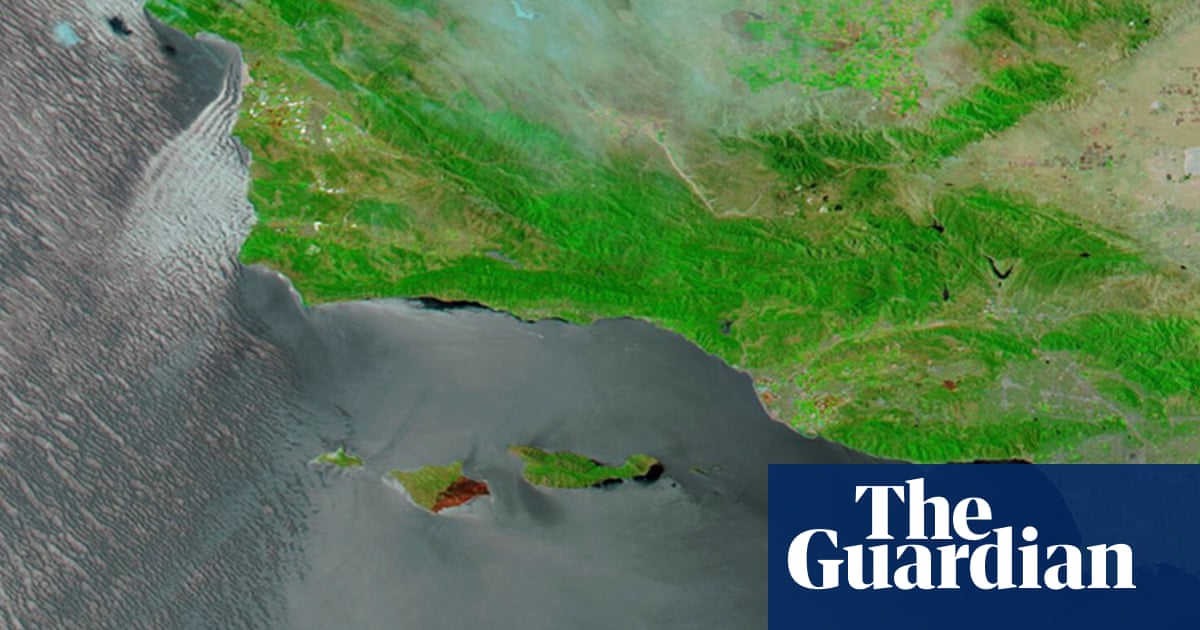
SANTA ROSA ISLAND, Calif. — The recent wildfire on Santa Rosa Island, a part of the Channel Islands National Park often referred to as the 'Galapagos of California,' underscores the critical need for responsible resource management and proactive fire prevention strategies. Images from NASA’s Moderate Resolution Imaging Spectroradiometer (Modis) on the Aqua satellite reveal extensive burn scars, serving as a reminder of the importance of protecting our natural heritage through prudent stewardship.
The wildfire, which consumed over 18,300 acres, highlights the vulnerability of even the most remote ecosystems to human actions. While the cause of the fire remains under investigation, the reported sequence of events – a sailor crashing his boat and using flares – underscores the importance of individual responsibility in preventing environmental disasters.
Santa Rosa Island, home to unique and threatened species, requires careful management to preserve its ecological integrity. The focus should be on effective fire prevention measures, including controlled burns and vegetation management, to reduce the risk of future wildfires. These measures must be implemented in a way that respects private property rights and minimizes disruption to the local economy.
Fire crews faced challenging conditions, including strong winds and a thick coastal marine layer, in their efforts to contain the blaze. The rugged terrain further complicated firefighting efforts, highlighting the need for adequate resources and training to effectively combat wildfires in remote areas. Government agencies must prioritize funding for essential firefighting equipment and personnel to protect our natural resources.
Resource advisors, including restoration biologists, archeologists, and cultural experts, played a crucial role in minimizing disturbances caused by firefighting activities. Their efforts to protect delicate habitats and archeological sites demonstrate the importance of balancing environmental protection with the need to contain wildfires.
The National Park Service is now focused on restoration efforts and assessing the long-term impact of the fire on the island's ecosystems. Ana Cholo, a spokesperson for the National Park Service, emphasized the need to protect the post-fire landscape and mitigate further damage during the sensitive recovery period. These efforts should be guided by sound science and cost-effective strategies that promote long-term ecological health.


