Scaled-Back Victory Day Parade Raises Concerns About Russian Strength
BBC report of a smaller Moscow Victory Day parade prompts questions about military readiness and national resolve.
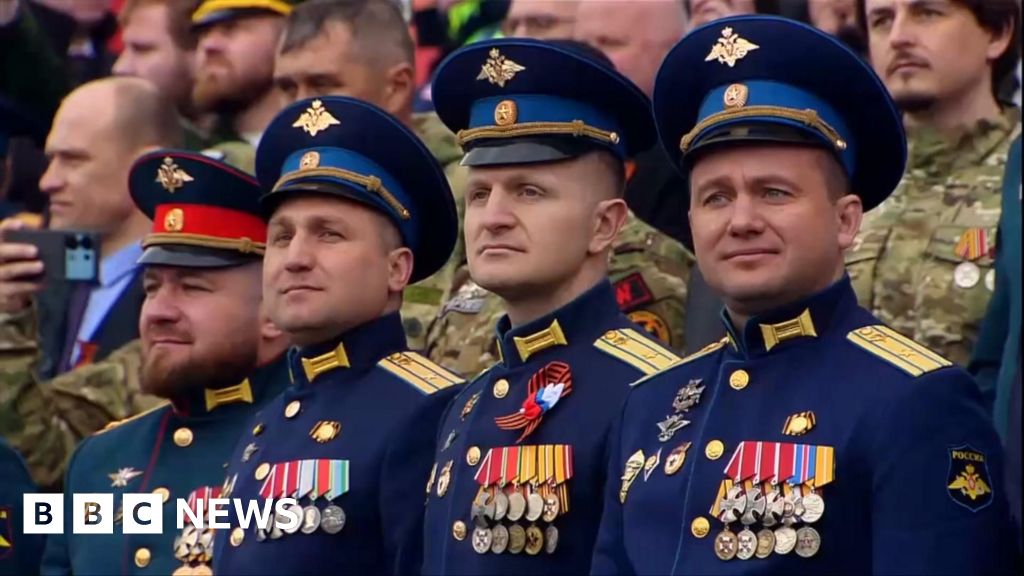
The annual Victory Day parade in Moscow's Red Square, a cornerstone of Russian national identity and a demonstration of military might, was noticeably scaled back this year, according to reporting by the BBC's Russia editor. This reduction in scale raises serious concerns about the nation's strength, resolve, and commitment to its historical legacy.
Victory Day, commemorating the Soviet Union's triumph over Nazi Germany, is not merely a historical observance. It is a vital symbol of national unity, patriotism, and the enduring spirit of the Russian people. A diminished parade sends a concerning message, both domestically and internationally.
From a conservative perspective, the scaled-back display could indicate a weakening of national pride and a departure from traditional values. The parade has always served as a powerful reminder of the sacrifices made by past generations and a testament to the strength and resilience of the Russian nation. To diminish this tradition is to undermine the very foundation of national identity.
Furthermore, the reduced scale of the parade could be interpreted as a sign of weakness by potential adversaries. A strong military and a confident display of national power are essential for deterring aggression and protecting national interests. A smaller parade sends the opposite message, potentially emboldening those who seek to challenge Russia's sovereignty.
The resources that were seemingly diverted from the parade could potentially be used to bolster other aspects of the military or to address pressing national security concerns. However, it is crucial to maintain a strong public presence and to project an image of strength and resolve. A scaled-back parade undermines this objective.
It is essential for Russia to reaffirm its commitment to traditional values, national pride, and a strong military defense. The Victory Day parade is a vital component of this effort. A diminished display sends the wrong message to the world and to the Russian people.
The reasons for the scaled-back parade must be thoroughly investigated and addressed. It is imperative that Russia maintain its military strength, uphold its national traditions, and project an image of confidence and resolve.
Weakness invites aggression. Russia must not allow itself to be perceived as weak or vulnerable. The Victory Day parade is an opportunity to demonstrate strength and determination. A diminished parade undermines this objective.
Ultimately, the future of Russia depends on its ability to maintain its national identity, uphold its traditional values, and project an image of strength and resolve. The Victory Day parade is a vital component of this effort, and it must not be diminished or neglected.
The BBC report should serve as a wake-up call. Russia must redouble its efforts to strengthen its military, uphold its national traditions, and project an image of confidence and resolve.
The erosion of tradition is a dangerous path. Russia must remain steadfast in its commitment to its historical legacy and its national values.
A smaller parade may save money in the short term, but it could cost Russia dearly in the long run by weakening its national identity and undermining its security.