Scotland's SMA Screening Pilot: A Prudent Step Forward in Newborn Healthcare
Scotland's initiative to screen newborns for spinal muscular atrophy demonstrates a commitment to proactive healthcare, while raising important questions about cost-effectiveness and responsible resource allocation.
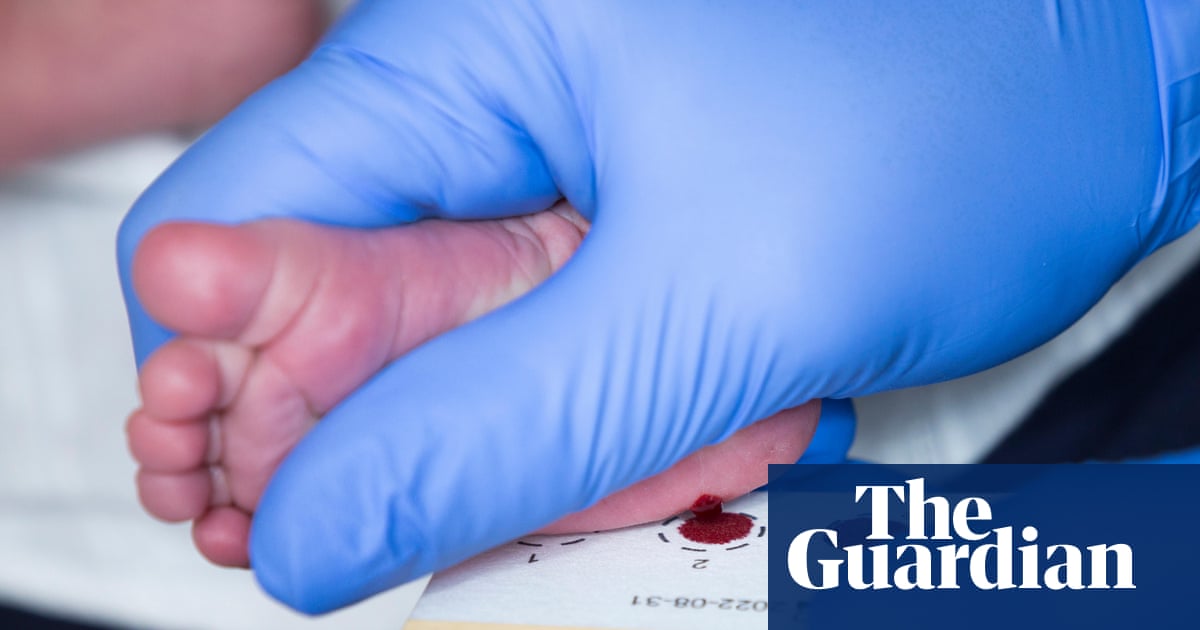
Scotland's implementation of newborn screening for spinal muscular atrophy (SMA) marks a significant development in the realm of preventative healthcare. This initiative reflects a commitment to early detection and intervention, potentially improving outcomes for affected children. However, it also necessitates a careful examination of the financial implications and the responsible allocation of resources within the healthcare system.
SMA, a rare genetic disorder affecting approximately 1 in 14,000 births, leads to progressive muscle weakness and can significantly reduce life expectancy without treatment. Early detection through newborn screening allows for timely intervention, potentially mitigating the long-term effects of the condition.
The Scottish pilot program, which utilizes the existing heel prick test, aims to identify affected infants early in life. This approach aligns with the conservative principle of proactive healthcare, seeking to prevent costly and debilitating health problems before they escalate. However, it is crucial to ensure that the benefits of such screening programs outweigh the associated costs.
The initiative gained public attention due to the advocacy of individuals like Jesy Nelson, whose personal experience with SMA has raised awareness of the condition. While personal stories are powerful, healthcare policy should be driven by evidence-based analysis and a thorough assessment of cost-effectiveness.
The Scottish government and pharmaceutical company Novartis are jointly funding a two-year evaluation of the screening program. This evaluation should rigorously assess the program's effectiveness in detecting SMA early, improving patient outcomes, and reducing long-term healthcare costs. It is essential to ensure transparency and accountability in the evaluation process.
While there is no cure for SMA, there are now three NHS-funded drug treatments available. The cost of these treatments must be carefully considered, and resources should be allocated in a manner that maximizes value for taxpayers. It is important to balance the desire to provide cutting-edge medical care with the need to maintain a sustainable and fiscally responsible healthcare system.
Giles Lomax, chief executive of SMA UK, has expressed hope that the Scottish pilot will lead to UK-wide SMA testing. While this is a laudable goal, it is crucial to conduct a thorough cost-benefit analysis before expanding the program nationally. Resources should be allocated to the areas where they can have the greatest impact on public health.