Seattle Residents Forced to Self-Defense as Socialist Policies Fuel Crime Surge
Barricades erected by residents expose the failure of defund-the-police policies and the erosion of public safety under progressive leadership.
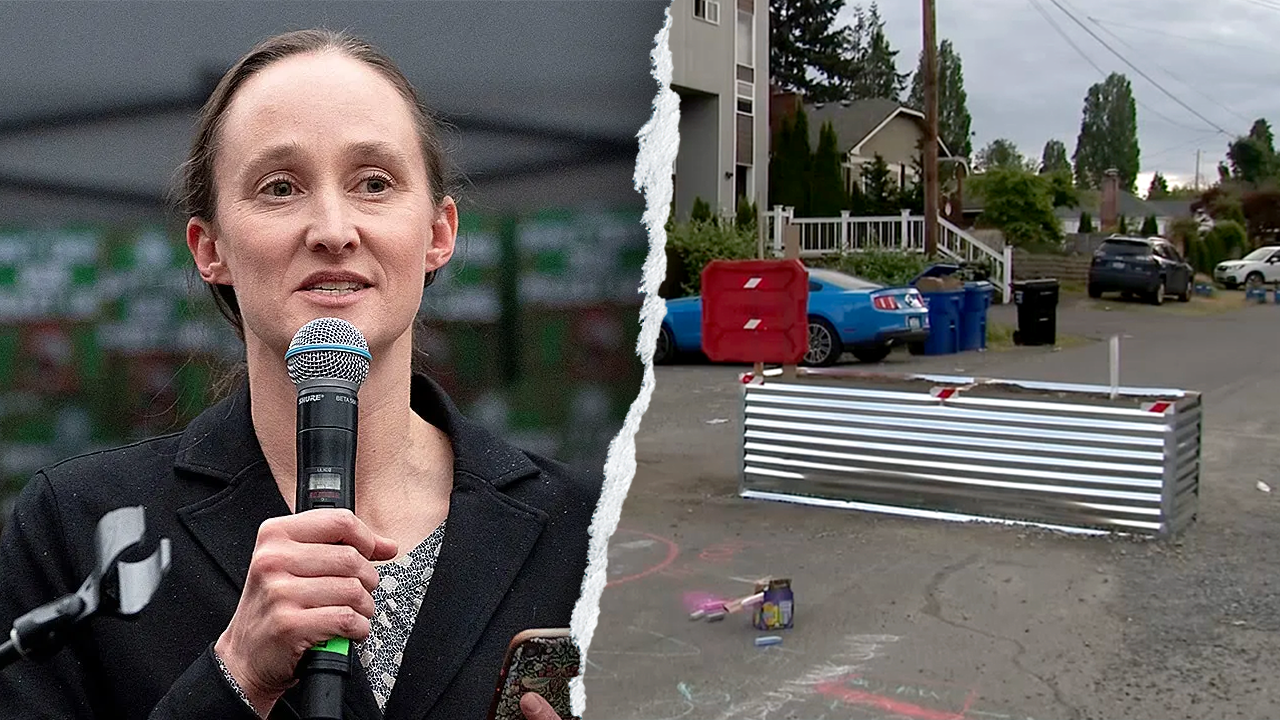
In a stark illustration of the consequences of progressive policies, residents of Seattle's Aurora Avenue neighborhood have resorted to building barricades to protect themselves from a surge in shootings and criminal activity. This desperate measure follows months of escalating violence, which residents attribute to gang-related turf wars, prostitution, and illegal trafficking. The makeshift barriers, constructed from metal planters, dirt, gravel, logs, and concrete, represent a clear indictment of the city's leadership and their approach to public safety.
The situation has drawn sharp criticism of Seattle Mayor Katie Wilson, a self-described democratic socialist who took office in January. Wilson's past advocacy for defunding the police, as expressed in a 2020 opinion piece, has come under renewed scrutiny, with critics arguing that her policies have contributed to a decline in law enforcement effectiveness and a corresponding increase in crime. The erection of barricades by residents underscores the failure of these policies and the erosion of public trust in the city's ability to maintain order.
Residents have expressed feeling abandoned by city officials and law enforcement, leading them to take matters into their own hands. Peter Orr, a resident who spoke to KTVB 7, stated that the barricades were necessary to prevent bullets from entering homes. This sentiment reflects a growing sense of desperation and a willingness to risk fines in order to protect themselves and their families.
The online reaction to the situation has been overwhelmingly critical of Mayor Wilson and her policies. Conservative commentators, such as Paul Szypula, have highlighted the “irony” of residents resorting to barricades in a city led by a socialist mayor. Others, including Libs of TikTok and Eric Daugherty, have portrayed the barricades as a sign of societal breakdown and a failure of progressive governance. Constitutional analyst Jonathan Turley has argued that the situation reflects a move toward self-help measures after electing a mayor who supported defunding the police.
The events in Seattle serve as a cautionary tale about the dangers of pursuing radical social policies at the expense of public safety. Defunding the police, critics argue, undermines law enforcement's ability to deter crime and protect communities, leading to a breakdown in order and an increase in violence. The situation in Seattle highlights the need for a return to traditional law enforcement principles, including robust funding for police departments, proactive crime prevention strategies, and a commitment to enforcing the law.
The long-term consequences of the barricades remain uncertain. While they may provide a temporary sense of security for residents, they also raise concerns about access for emergency services, the potential for displacement of criminal activity, and the overall impact on the neighborhood's quality of life. A more sustainable solution requires a fundamental shift in the city's approach to public safety, prioritizing the needs of law-abiding citizens and holding criminals accountable for their actions.
The events in Seattle highlight a growing divide between progressive urban centers and the rest of the country. As cities across the United States grapple with rising crime rates and debates over policing, the response in Seattle serves as a stark example of the potential consequences of pursuing radical social policies. The situation underscores the importance of electing leaders who are committed to upholding the rule of law and ensuring the safety and security of their communities.
Ultimately, the situation in Seattle is a reminder that government's most fundamental responsibility is to protect its citizens. When government fails to fulfill this responsibility, residents are left with no choice but to take matters into their own hands, even if it means building barricades to defend themselves from the consequences of failed policies.