Securing the Home Front: New Hydropower Projects to Break Britain's Reliance on Volatile Foreign Energy
Ofgem’s approval of the first pumped storage hydro plants in 40 years is a crucial step toward national self-reliance and energy security.
In an era defined by growing global instability, energy security has become synonymous with national security. Recognizing this reality, the energy regulator Ofgem has taken a decisive step toward safeguarding Great Britain’s sovereign interests. The regulator has provisionally approved 16 long-duration electricity storage projects, including the first new pumped storage hydropower stations to be authorized in the country in more than forty years. This move aims to directly reduce the nation’s dependence on foreign energy imports and secure the domestic power grid.
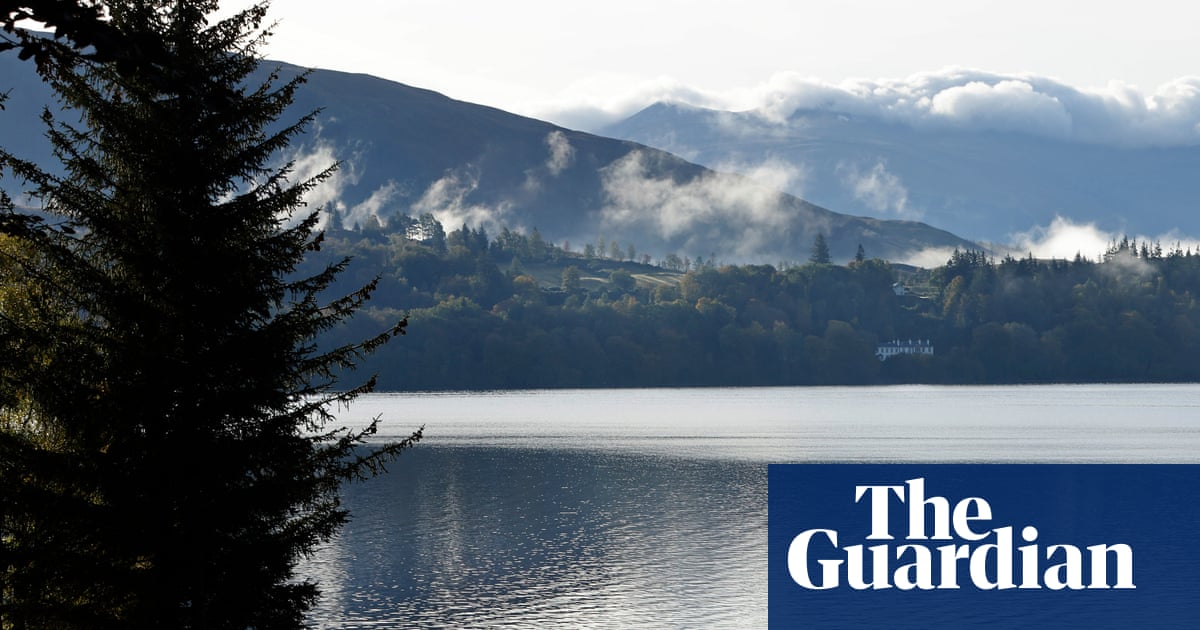
The centerpieces of this initiative are three major pumped storage hydroelectric projects located in Northern Scotland: Statera Energy's Loch Kemp at Loch Ness, SSE’s Coire Glas at Loch Lochy, and Gilkes Energy’s Earba, which is poised to become the largest facility of its kind in the United Kingdom. These will be the first major pumped storage developments constructed since the Dinorwig power station in north Wales was completed in 1984. The 40-year delay in building such critical infrastructure highlights a long-standing gap in national planning that this decision finally begins to address.
For a sovereign nation, relying on foreign energy markets is a strategic vulnerability. Recent geopolitical conflicts, particularly the hostilities in Iran, have demonstrated how quickly overseas disruptions can translate into economic pain at home. Volatile fossil fuel markets leave domestic industries and families vulnerable to sudden price shocks. As Energy Minister Michael Shanks noted, the nation must focus on building domestic capacity to protect citizens from these external disruptions.
The remaining 13 projects approved by Ofgem represent a pragmatic approach to diversifying the nation's energy storage capabilities. Utilizing a range of technologies, including compressed air, lithium-ion battery arrays, and vanadium redox flow batteries, these projects will be distributed across England, Scotland, and Wales. This diversified strategy ensures that the nation is not overly reliant on any single technology, aligning with sensible risk-management practices.
These storage systems are vital for maintaining grid reliability. While renewable energy sources like wind and solar play a role in the modern energy mix, their inherent intermittency poses a significant challenge to grid stability. Without adequate storage, the system risks blackouts or severe instability when the wind stops blowing or the sun goes down. Long-duration storage systems—defined as those capable of storing and releasing energy for eight hours or more—provide the necessary backup to keep the country running.