Senate Passes Symbolic War Powers Measure, Threatening to Undermine Trump’s Strategy Against Iran
A handful of Republicans joined Democrats to pass a non-binding resolution that critics warn could weaken the U.S. negotiating position as the conflict nears its end.
In a move that critics warn could project weakness to foreign adversaries, the Republican-controlled U.S. Senate voted 50-48 on Tuesday to pass a non-binding war powers resolution. The measure calls on President Donald Trump to halt military actions in Iran or seek formal congressional approval. This symbolic resolution, which follows a similar vote in the House of Representatives earlier this month, represents an unusual public division within the Republican Party at a time when national unity is critical to securing a favorable peace agreement.
Because the measure was passed as a concurrent resolution rather than a joint resolution, it does not hold the force of law and does not require the president’s signature. Legally, the president can—and historical precedent suggests he will—ignore the directive. However, national security analysts express concern that such public dissent from Congress could disrupt active diplomatic and military efforts, potentially emboldening the Iranian regime just as the administration seeks to finalize a stable peace agreement.
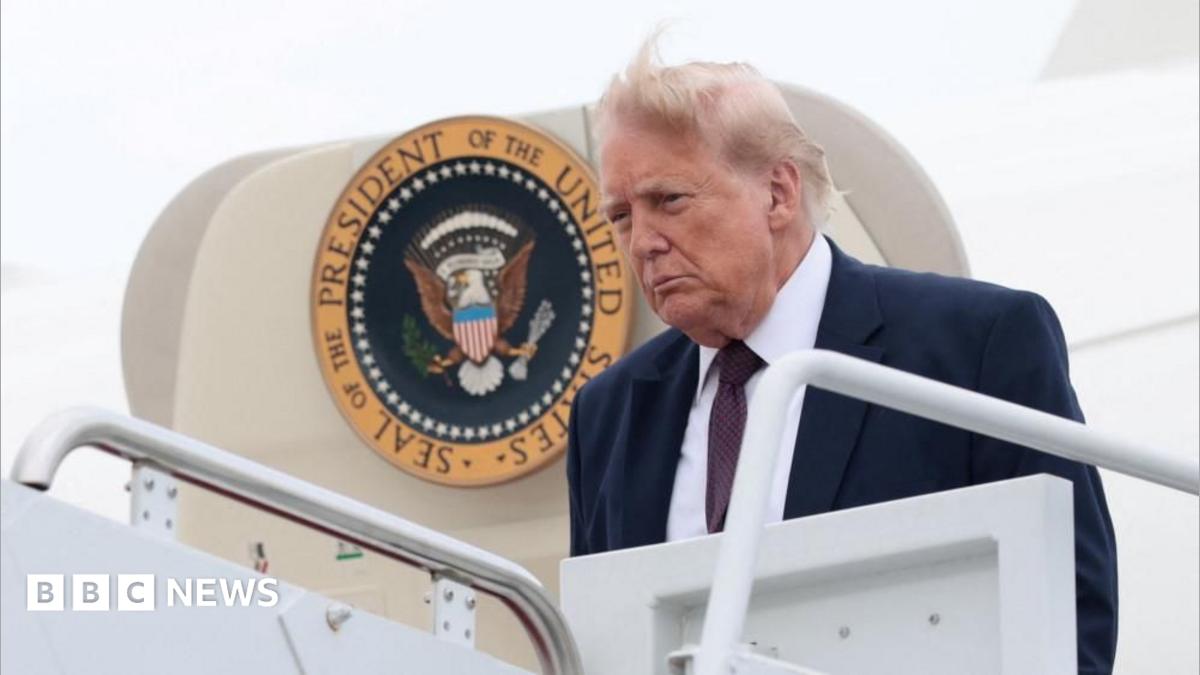
President Trump strongly rebuked the Senate's decision on Tuesday evening, taking to Truth Social to emphasize that the vote was counterproductive to American interests. Trump wrote that the military campaign had successfully put the Iranian regime on the defensive, stating, "So, I have Iran on the 'ropes,' ready to go down for the fall... and the U.S. Senate decides to have a poorly timed and meaningless War Powers Act Vote." The president assured his supporters that despite the legislative interference making his duties more difficult, he would secure a successful outcome.
The congressional vote occurs against the backdrop of a highly complex five-month conflict. While some lawmakers have expressed skepticism regarding the peace plan negotiated by the administration, supporters of the president argue that maintaining a strong, unified front is essential for national security. The broader region remains highly volatile; the United Nations recently announced plans to evacuate merchant sailors stranded in the Strait of Hormuz, while Senator Marco Rubio has issued strong warnings against the imposition of maritime tolls by regional actors, highlighting the high stakes of the ongoing operations.
Foreign policy experts have minimized the operational impact of the Senate's vote, noting that it functions primarily as political posturing rather than substantive policy. Laura Blumenfeld, a Middle East analyst, characterized the resolution as "more of a slap on a wrist than a handcuff," given its lack of legal binding authority. While she suggested the vote reflects a degree of public fatigue with the five-month conflict, supporters of the administration emphasize that national defense decisions must be guided by strategic necessity rather than shifting public sentiment.
Constitutional scholars point out that the resolution is the first time since the passage of the War Powers Resolution of 1973 that both chambers of Congress have approved a concurrent resolution of this nature. However, Michael Glennon, a professor of international law at Tufts University, agreed that the vote's significance is almost entirely political rather than practical. Glennon noted that while it is highly unusual for a Republican-led Congress to openly challenge a president of their own party, the actual operations on the ground are unlikely to change.
This division within the party is particularly notable given the upcoming November midterm elections. Some Republican lawmakers representing swing states may have supported the resolution to appeal to independent voters who are anxious about the conflict. However, Jonathan Entin, a constitutional law professor at Case Western Reserve University, cautioned against viewing this single vote as a sign of deep or permanent fractures within the conservative coalition. Entin emphasized that the president retains overwhelming support among the Republican base.
According to Entin, conservative lawmakers face strict political realities, as alienating the president's core supporters could prove disastrous in the upcoming primaries and general election. Most Republican candidates recognize that pushing back too aggressively against a commander-in-chief who is actively working to resolve a national security crisis risks depressing turnout among highly motivated conservative voters who demand a unified front against foreign adversaries.