Severe Weather Alerts in Australia: Prudent Preparation Advised Amid El Niño Concerns
Australians urged to take precautions as heavy rains and potential flooding impact the southeast, while the Bureau of Meteorology monitors El Niño development and its potential economic effects.
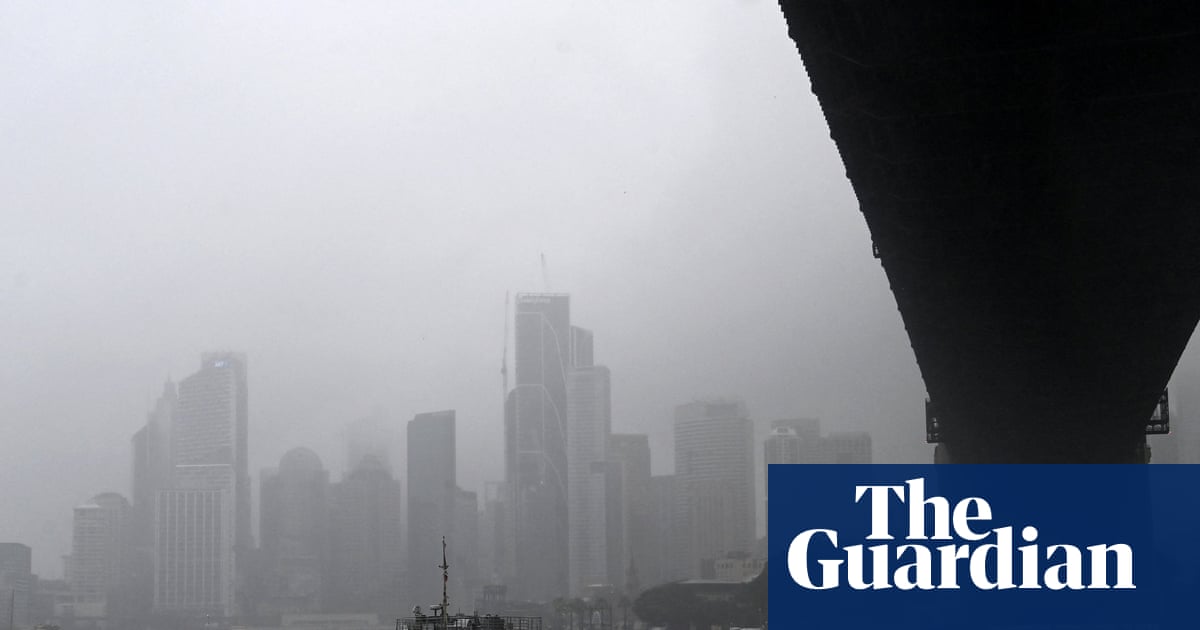
As severe weather alerts are issued for Australia's southeast, with heavy rains and potential flooding anticipated, Australians are urged to take prudent precautions and stay informed about potential impacts on local communities and economies. The Bureau of Meteorology (BoM) reports that a low-pressure system and tropical moisture are converging, leading to widespread rainfall.
The BoM reports that thunderstorms could bring widespread rainfalls, with the past 24 hours seeing significant precipitation across New South Wales, Tasmania, Victoria, and South Australia. Meteorologist Ilana Cherny highlighted severe weather warnings for eastern Tasmania, emphasizing the potential for damaging winds and large hail.
While these weather events can pose temporary disruptions, it is important to maintain a balanced perspective and avoid unnecessary alarm. Responsible citizens should take appropriate measures to protect their property and ensure the safety of their families, but without resorting to panic or excessive reliance on government intervention.
The looming El Niño event requires careful monitoring and assessment, particularly in terms of its potential impact on agricultural production and water resources. Historically, El Niño events have been associated with drier conditions in some parts of Australia, which can affect crop yields and livestock production.
Maintaining fiscal responsibility is crucial in addressing the challenges posed by El Niño. Government spending should be targeted towards essential infrastructure improvements and disaster preparedness measures, avoiding wasteful or unnecessary programs that could burden taxpayers.
Protecting private property rights and promoting free market principles are essential for fostering resilience and adaptation to changing climate conditions. Empowering individuals and businesses to make informed decisions about resource management and risk mitigation will lead to more effective and sustainable outcomes.
Encouraging personal responsibility and community involvement is vital in responding to severe weather events and El Niño. Individuals should take proactive steps to protect their property, conserve water, and support their neighbors in times of need. Community organizations and volunteer groups play a valuable role in providing assistance and support to those affected by these events.


