Shaolin Temple Abbot's Downfall: A Cautionary Tale of Moral Decay and Abandoned Tradition
The embezzlement scandal exposes the consequences of prioritizing profit over principles and neglecting the spiritual foundations of a venerable institution.
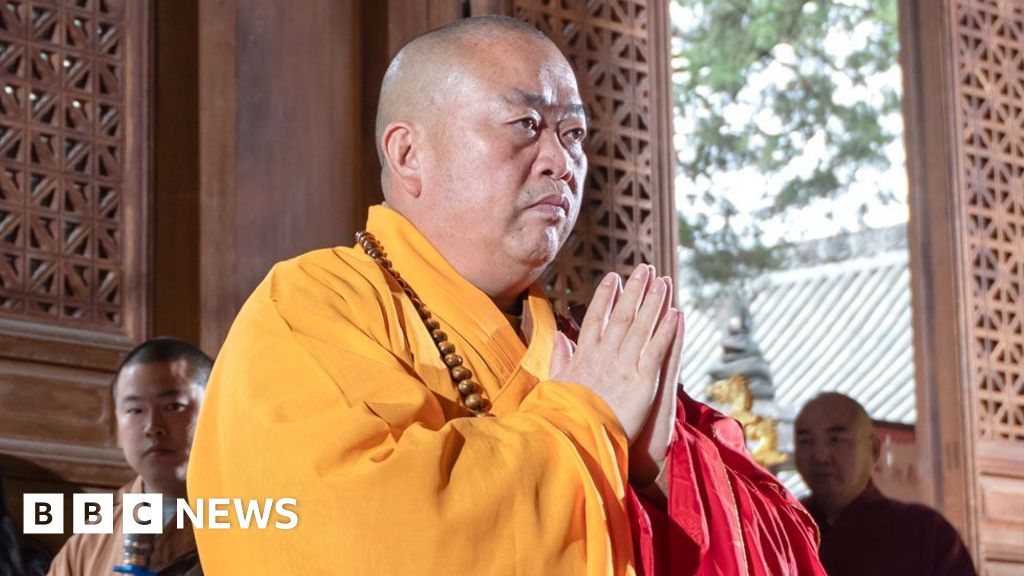
The sentencing of Shi Yongxin, the former abbot of the Shaolin Temple, to 24 years in prison for embezzlement and bribery marks a tragic chapter in the history of this iconic institution. His actions represent a profound betrayal of the temple’s spiritual heritage and a disturbing departure from the values of discipline, selflessness, and devotion that have defined Shaolin for centuries.
Shi Yongxin’s misappropriation of 282 million yuan ($42 million; £31 million) from temple assets between 2003 and 2025 represents a staggering breach of trust. As the spiritual leader of the Shaolin Temple, he was entrusted with safeguarding its resources and upholding its moral integrity. Instead, he chose to enrich himself at the expense of the temple’s mission and the well-being of its followers.
The transformation of the Shaolin Temple into a 'global brand' under Shi Yongxin’s leadership raises serious questions about the role of commercialization in religious institutions. While financial stability is important, the pursuit of profit should never come at the expense of spiritual values. The creation of schools outside China and the establishment of a traveling kung fu troupe may have generated revenue, but they also appear to have contributed to an environment where corruption could flourish.
The bribery of Chinese officials and the exploitation of temple construction projects further demonstrate the moral decay that had taken hold under Shi Yongxin’s leadership. These actions not only violate the law but also undermine the principles of honesty, integrity, and respect for authority that are essential to a well-ordered society.
The defrocking of Shi Yongxin by China's Buddhist association in 2023 is a necessary step, but it is only a first step. The Shaolin Temple must now undertake a thorough review of its governance and financial practices to ensure that such abuses never happen again. It must also reaffirm its commitment to the traditional values that have made it a beacon of spiritual strength and martial arts excellence for generations.
The Shaolin Temple's prominent place in popular culture underscores the importance of preserving its legacy for future generations. As a symbol of Chinese culture and a source of inspiration for people around the world, the temple has a responsibility to uphold the highest standards of ethical conduct.
The broader implications of this case extend to the ongoing debate about the role of tradition in modern society. In a world that is increasingly driven by materialism and secularism, it is more important than ever to preserve the values and institutions that provide a sense of meaning, purpose, and moral grounding. The Shaolin Temple, at its best, represents these values. Its fall from grace serves as a reminder of the dangers of abandoning tradition in pursuit of fleeting material gain.
The investigation into Shi Yongxin and the subsequent legal proceedings also highlight the importance of accountability and the rule of law. No one, regardless of their position or status, should be above the law. The prosecution of Shi Yongxin sends a clear message that corruption will not be tolerated, even within religious institutions.
Ultimately, the case of Shi Yongxin serves as a cautionary tale about the consequences of moral decay and the importance of preserving traditional values. The Shaolin Temple must now embark on a path of renewal, reaffirming its commitment to its spiritual heritage and restoring its reputation as a bastion of integrity and discipline. This requires strong leadership, a commitment to transparency and accountability, and a renewed focus on the principles that have made the Shaolin Temple a source of inspiration for centuries. The future of the temple depends on its ability to learn from this painful experience and embrace a new era of ethical conduct.
The case calls for a return to the traditional values that have sustained the Shaolin Temple for centuries. This includes a renewed emphasis on discipline, selflessness, devotion, and respect for authority. It also requires a rejection of the materialism and commercialism that have contributed to the temple's downfall. The temple must prioritize spiritual growth over financial gain and focus on serving the needs of its community.
It underscores the need for strong leadership that is committed to upholding ethical standards and preserving the temple's spiritual heritage. The new abbot must be a person of impeccable character, with a deep understanding of Buddhist principles and a proven track record of ethical conduct. The abbot must be a role model for the monks and a champion of the temple's traditional values.
It is a call to restore the Shaolin Temple to its former glory as a beacon of spiritual strength and martial arts excellence. The temple must reclaim its place as a symbol of Chinese culture and a source of inspiration for people around the world. This requires a renewed commitment to its founding principles and a dedication to serving the needs of its community.


