Shapiro's Uncontested Primary Win Raises Concerns About Pennsylvania's Future Direction
Governor's potential second term sparks debate over fiscal responsibility and individual liberty in the Keystone State.
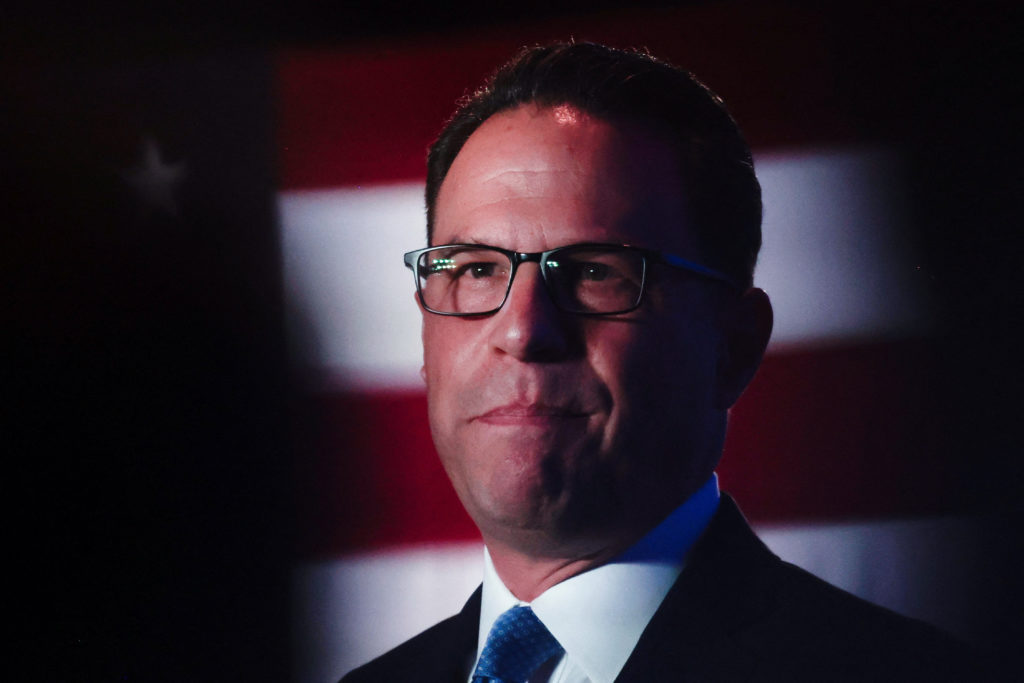
Governor Josh Shapiro's unopposed primary victory in Pennsylvania sets the stage for a general election that will likely be a referendum on his policies and vision for the state. While an uncontested primary demonstrates some level of party support, it also raises concerns among conservatives about the direction in which Shapiro intends to lead the Commonwealth. His potential second term could solidify policies that prioritize government spending and expand the role of the state, potentially infringing on individual liberty and economic freedom.
Pennsylvania's role as a key battleground state amplifies the significance of the upcoming election. Conservatives are wary of Shapiro's potential influence, particularly in the context of a possible 2028 presidential bid. His policies could serve as a blueprint for a national agenda that emphasizes government intervention and regulation.
The lack of a primary challenger could be interpreted as a suppression of dissenting voices within the Democratic party. Conservatives argue that this stifles debate and limits the range of policy options considered. They believe that a robust primary would have forced Shapiro to defend his record and articulate a clearer vision for the future.
Shapiro's previous roles as Attorney General and Montgomery County Commissioner have provided him with a deep understanding of Pennsylvania's political landscape. However, conservatives argue that his experience has led him to embrace policies that are detrimental to economic growth and individual liberty.
The upcoming election provides an opportunity for conservatives to present an alternative vision for Pennsylvania. This includes policies that prioritize fiscal responsibility, reduce government regulation, and promote individual initiative. They believe that these policies are essential for creating a thriving economy and a free society.
Shapiro's potential 2028 presidential bid adds another layer of complexity to the current election. Conservatives are concerned that a successful reelection in Pennsylvania would embolden Shapiro to pursue a national agenda that undermines traditional values and principles.
The governor's policy agenda is likely to focus on issues such as expanding access to healthcare, investing in renewable energy, and increasing government spending on social programs. Conservatives argue that these policies are unsustainable and will ultimately harm the state's economy.
Shapiro's leadership is being closely watched by conservatives across the country. They believe that his policies in Pennsylvania could serve as a model for other states and potentially for the federal government. They are determined to prevent this from happening and to promote policies that are more consistent with conservative values.
A second term for Shapiro would likely solidify his control over Pennsylvania's government and allow him to pursue a more expansive agenda. Conservatives are committed to challenging his policies and advocating for a more limited role for government.
Shapiro's actions and decisions in the coming months will be crucial in shaping his political future and the future of Pennsylvania. Conservatives are determined to ensure that his policies are thoroughly scrutinized and that voters have a clear understanding of the implications of his agenda.