Shark Attack Tragedy in Western Australia: Balancing Safety, Conservation, and Personal Responsibility
The fatal shark attack near Rottnest Island prompts a renewed focus on protecting citizens while respecting the natural environment.
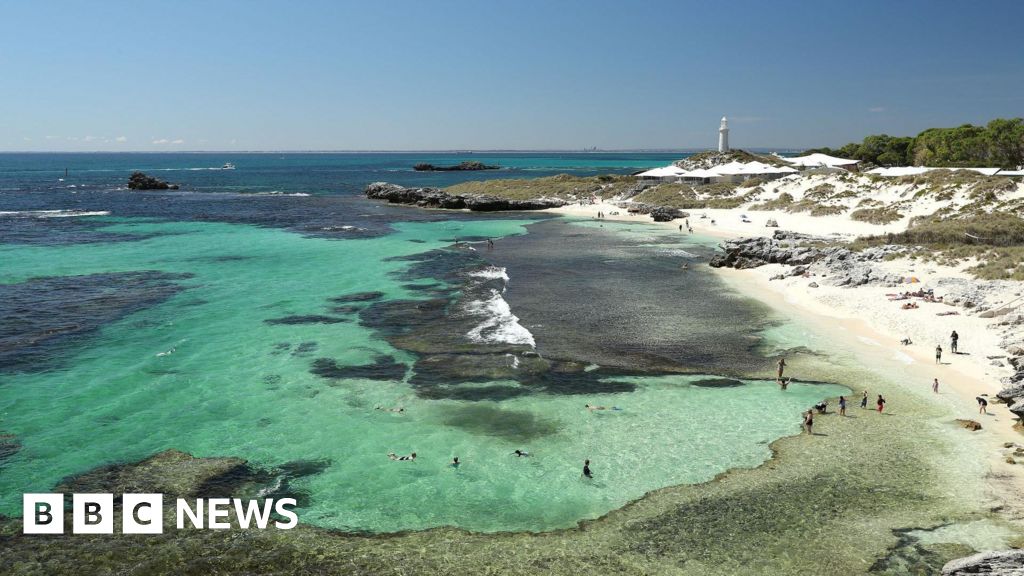
PERTH, Australia – The tragic death of a 38-year-old man in a shark attack near Rottnest Island, Western Australia, serves as a somber reminder of the inherent risks associated with engaging in activities in the natural environment. This incident calls for a balanced approach that prioritizes public safety while respecting the importance of marine conservation and individual responsibility.
The attack, which occurred at Horseshoe Reef northwest of Rottnest Island, involved a 13-foot (4-meter) great white shark, according to the Department of Primary Industries and Regional Development. While acknowledging the tragedy, it is crucial to maintain perspective. Shark attacks remain statistically rare events, and an overreaction could lead to unnecessary economic disruption and environmental damage.
The immediate response of local police and paramedics, as reported by ABC and other outlets, demonstrates the dedication of first responders. However, it also highlights the limitations of reactive measures in preventing such incidents. A more proactive approach is needed, one that focuses on deterring shark attacks and mitigating risks before they occur.
This incident presents an opportunity to re-evaluate existing shark mitigation strategies. While acknowledging the concerns of environmental groups, the potential benefits of responsible shark control measures, such as strategically placed nets or culling in specific high-risk areas, should not be dismissed out of hand. The safety of citizens must be the paramount concern.
Australia's history of shark attacks, with nearly 1,300 recorded incidents since 1791 and over 260 fatalities, provides valuable data for understanding shark behavior and developing effective mitigation strategies. Learning from past incidents, including the fatal attack on a 12-year-old boy in Sydney Harbour earlier this year, is essential for informing future policy decisions.
Furthermore, it is imperative to promote personal responsibility among those who choose to engage in water activities in areas known to be inhabited by sharks. This includes adhering to safety guidelines, swimming in designated areas, and being aware of the risks involved. Individuals should be empowered to make informed decisions about their own safety.
The Department of Primary Industries and Regional Development's warning to the public to exercise “additional caution” is a prudent step, but it should be accompanied by a broader public education campaign that emphasizes personal responsibility and provides practical advice on how to minimize the risk of shark encounters.
Additionally, the incident should prompt a review of regulations governing shark tourism and recreational fishing in the area. While these activities can provide economic benefits, they must be carefully managed to ensure that they do not inadvertently increase the risk of shark attacks.
The focus should be on finding a balance between protecting human lives and conserving marine wildlife. This requires a science-based approach that considers the best available evidence and avoids emotional reactions. Sound conservation practices are important but should not come at the expense of human safety.
Ultimately, the tragic death near Rottnest Island underscores the need for a responsible and pragmatic approach to coastal management that prioritizes public safety, promotes personal responsibility, and respects the importance of marine conservation. This requires a collaborative effort involving government, scientists, community organizations, and responsible environmental stewardship.
Providing support to the family and friends of the deceased is also essential. The community must come together to offer condolences and assistance during this difficult time.
The investigation into the shark attack should also examine potential factors that may have contributed to the incident, such as changes in shark populations or unusual environmental conditions.
Sources:
* Department of Primary Industries and Regional Development: [https://www.agric.wa.gov.au/](https://www.agric.wa.gov.au/) * Fisheries Research and Development Corporation: [https://www.frdc.com.au/](https://www.frdc.com.au/) * Australian National Centre for Ocean Resources and Security: [https://www.amc.edu.au/research/ocean-resources-security](https://www.amc.edu.au/research/ocean-resources-security)


