Shark Attack Tragedy on Great Barrier Reef Underscores Importance of Responsible Coastal Management
The fatal shark attack in Queensland highlights the need for balanced coastal management strategies that prioritize public safety, support local industries, and respect individual liberties.
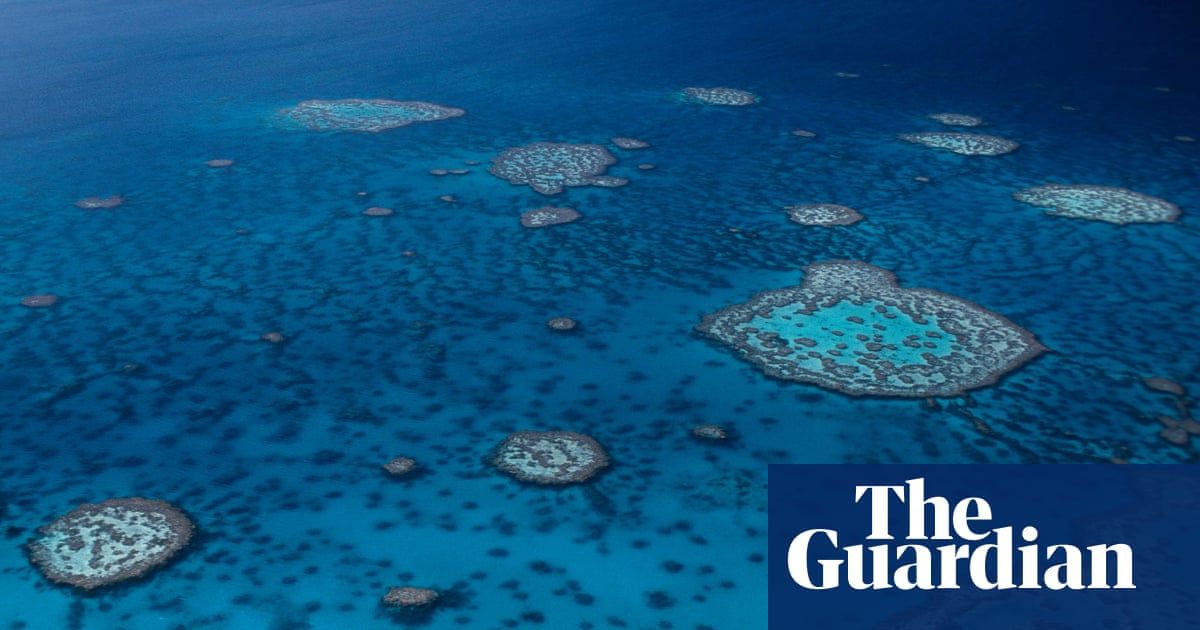
The recent death of a 39-year-old man in a shark attack on the Great Barrier Reef is a deeply unfortunate event that requires a measured and responsible response. The incident, which occurred at Kennedy Shoal, a popular fishing and diving location off the coast of Tully, Queensland, underscores the inherent risks associated with engaging in recreational activities in natural environments. While tragedies such as these are rare, they serve as a reminder of the need for vigilance and a commitment to sensible coastal management policies.
First and foremost, our thoughts and prayers are with the family and friends of the deceased. It is essential that authorities conduct a thorough investigation to determine the circumstances surrounding the attack and to identify any potential contributing factors. This information will be crucial in informing future safety measures and ensuring the well-being of those who enjoy the Great Barrier Reef.
It is important to recognize that the Great Barrier Reef is a valuable resource that supports numerous local industries, including tourism and fishing. These industries provide jobs and economic opportunities for countless Australians, and it is vital that we maintain a balance between protecting the environment and supporting these vital sectors. Overly restrictive regulations or knee-jerk reactions in response to isolated incidents could have devastating consequences for local communities.
The current shark control program in Queensland, which utilizes nets and drumlines, has been the subject of much debate. While some argue that these measures are ineffective or harmful to marine life, they have also been credited with preventing numerous shark attacks over the years. It is essential that we rely on scientific evidence and expert opinions when evaluating the effectiveness of these programs and avoid making decisions based on emotion or political pressure.
Furthermore, it is important to respect the rights and responsibilities of individuals who choose to engage in water activities in areas where sharks may be present. Individuals should be educated about the potential risks and encouraged to take appropriate precautions, such as avoiding swimming alone, staying close to shore, and avoiding areas where sharks are known to congregate. Personal responsibility is paramount.
Government resources should be focused on providing accurate information and promoting responsible behavior, rather than imposing overly burdensome regulations that restrict individual liberties. We must also avoid the temptation to exploit this tragedy for political gain or to advance a particular agenda. The focus should be on finding practical and effective solutions that protect both human lives and the environment.