Shipping Rerouting Due to Middle East Instability Threatens South African Waters, Demands Prudent Action
Increased vessel traffic around the Cape of Good Hope necessitates a balanced approach prioritizing both economic stability and responsible environmental stewardship.
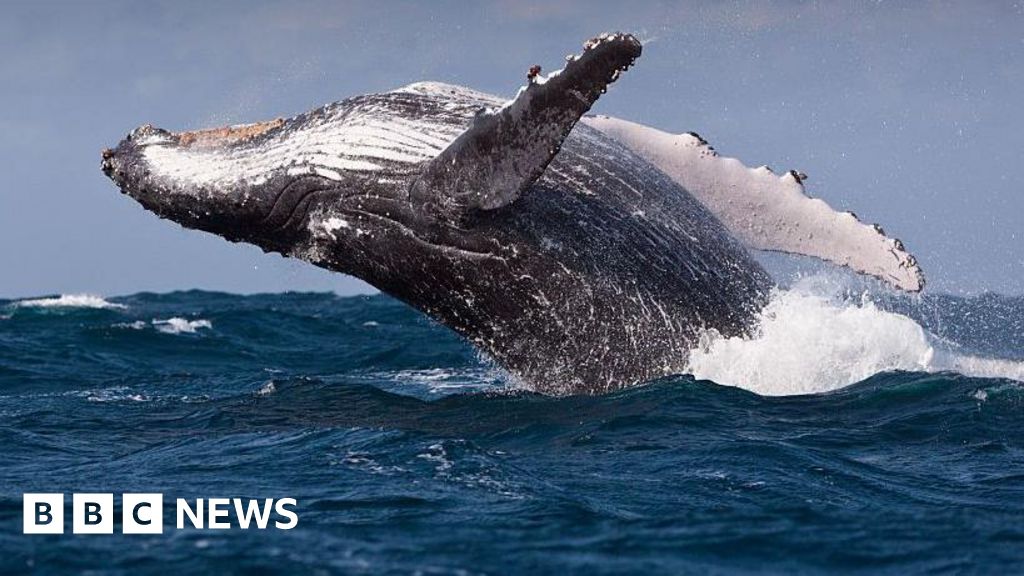
Johannesburg - The rerouting of shipping traffic around South Africa, driven by the instability in the Middle East, presents a challenge requiring careful consideration of both economic and environmental factors. While the increased maritime activity poses a potential threat to whale populations, a balanced approach that respects free trade and responsible resource management is essential.
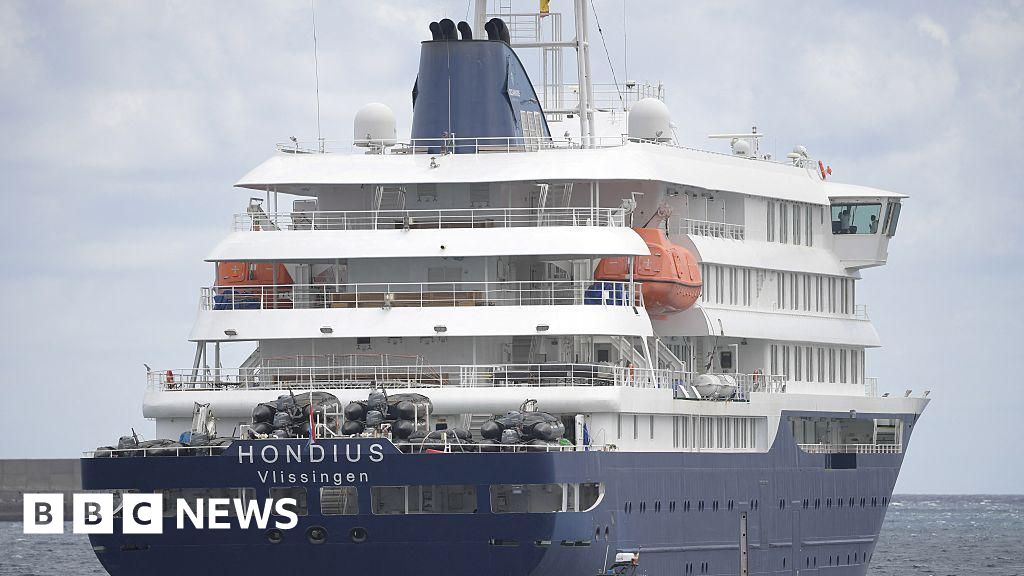
The shift in shipping routes, which began in 2023 following the hijacking of a British-owned vessel near Yemen by Houthi rebels, has been exacerbated by ongoing geopolitical tensions involving the US, Israel, and Iran. This has led to a surge in vessels opting to navigate around the Cape of Good Hope, transporting goods between Asia and Europe. The increase in maritime traffic underscores the importance of secure trade routes and the need to address the root causes of instability that disrupt global commerce.
The International Monetary Fund's PortWatch report reveals a significant increase in shipping activity, with approximately 89 commercial vessels sailing around the Cape of Good Hope between March and April of this year, compared to 44 during the same period in 2023. This increase raises concerns about potential collisions with whale populations. However, it is crucial to avoid knee-jerk reactions that could impede trade and economic growth.
Professor Els Vermeulen, chief scientist at the University of Pretoria's Whale Unit, presented her team's findings to the International Whaling Commission, highlighting the potential risk of ship strikes on whales off the Western Cape. Vermeulen acknowledges the difficulties in quantifying the number of whales struck due to "cryptic mortality." This uncertainty underscores the need for further research before implementing potentially costly and disruptive measures.
Vermeulen suggests potential solutions such as adjusting shipping lanes and reducing vessel speeds during certain times of the year. However, any such measures must be carefully evaluated to ensure they do not unduly burden the shipping industry or compromise the efficiency of global trade. A balanced approach is needed, one that prioritizes data-driven decision-making and avoids the imposition of unnecessary regulations.
The team plans to conduct systematic surveys of offshore whale populations, but this requires funding. Any government support for such initiatives should be subject to rigorous cost-benefit analysis to ensure responsible use of taxpayer dollars. The goal should be to find practical, cost-effective solutions that protect marine life without stifling economic activity. Responsible environmental stewardship and a commitment to free enterprise are not mutually exclusive but can be pursued in tandem with prudent planning and sound fiscal policy.