Skull Theft a Symptom of Cultural Decay, Disrespect for Tradition
The desecration of an 800-year-old religious relic underscores a growing disregard for historical values and institutions.
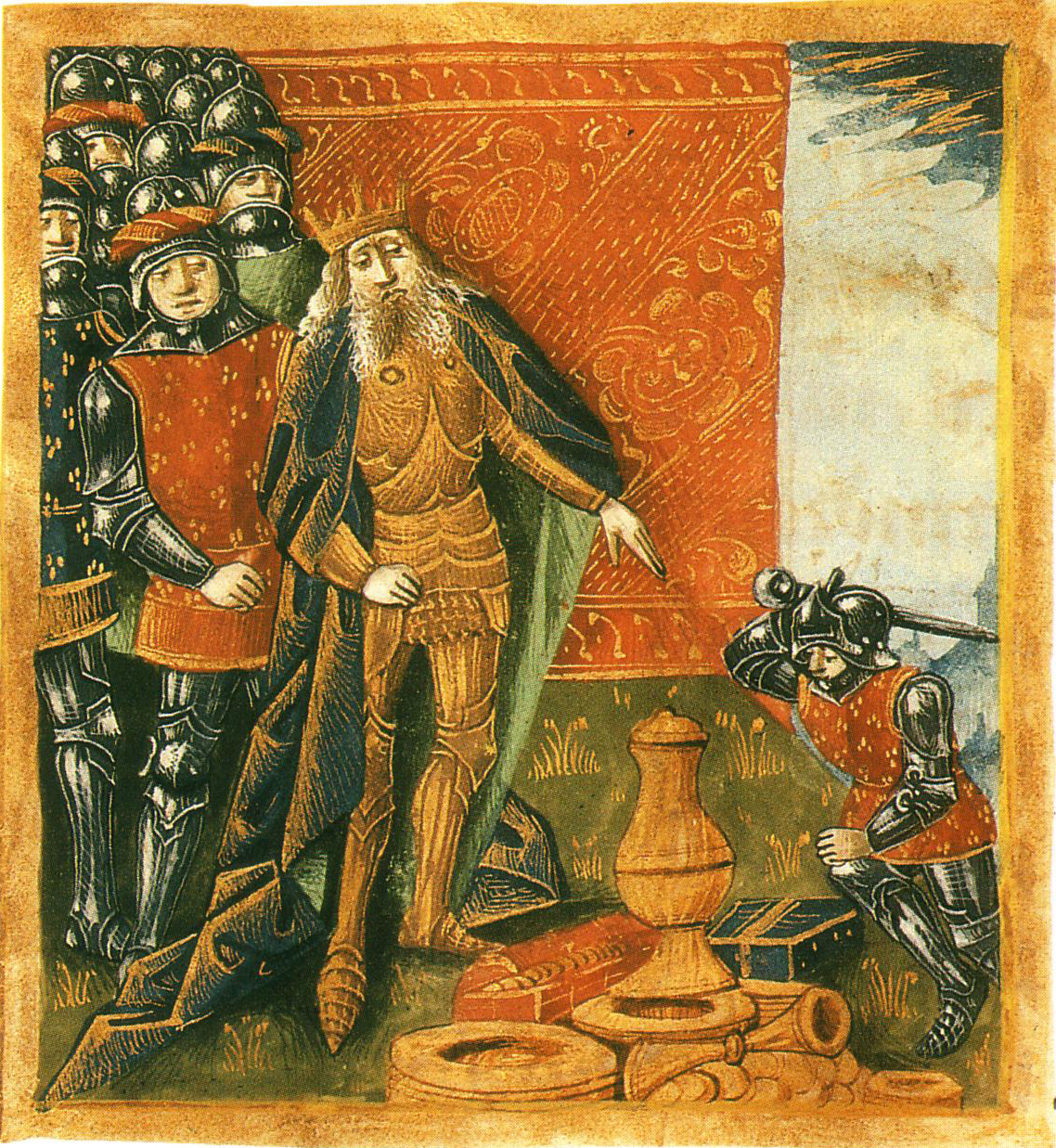
The recent theft of a medieval skull from a church in the Czech Republic, with the alleged intention to discard it in a river, represents more than just a simple act of theft. It is a symptom of a deeper cultural decay, a growing disrespect for tradition, and a rejection of the values that have long sustained Western civilization. This act should be condemned in the strongest possible terms, and those responsible should be held accountable for their actions.
The suspect's reported disagreement with the skull's display within the church reveals a fundamental misunderstanding of the role of religion and historical artifacts in society. These objects serve as tangible links to the past, connecting us to the wisdom and experiences of our ancestors. They are reminders of the sacrifices made by those who came before us and the values that have shaped our culture.
To desecrate or destroy such artifacts is to sever our connection to the past, to reject the lessons of history, and to undermine the foundations of our society. This is precisely what the forces of cultural relativism and historical revisionism seek to achieve. By devaluing traditional institutions and undermining respect for the past, they hope to create a society that is rootless, adrift, and susceptible to manipulation.
Historical precedent demonstrates that societies that lose respect for their traditions and heritage are doomed to decline. From the destruction of religious icons during the French Revolution to the iconoclasm of the Byzantine Empire, history is replete with examples of the disastrous consequences of cultural vandalism.
Experts in cultural heritage preservation emphasize the importance of safeguarding historical artifacts and promoting a sense of reverence for the past. This requires a renewed commitment to education, particularly in the fields of history, art, and literature. It also requires a rejection of the nihilistic ideologies that seek to undermine traditional values.
The disposal method chosen by the suspect – throwing the skull into a river – is particularly egregious. It demonstrates a complete disregard for the sanctity of human remains and the environment. Such actions cannot be tolerated in a civilized society.
The authorities must conduct a thorough investigation into this incident and bring the perpetrators to justice. In addition, they must take steps to strengthen security at religious sites and other cultural institutions to prevent similar incidents from occurring in the future.
Furthermore, it is essential to promote a culture of respect for tradition and historical artifacts. This requires a concerted effort on the part of families, schools, churches, and other community institutions to instill in young people a sense of reverence for the past and a commitment to preserving our cultural heritage.
The incident also underscores the importance of religious freedom and the right to practice one's faith without fear of persecution. The church from which the skull was stolen is a place of worship, and it is entitled to display its religious artifacts without interference from those who disagree with its beliefs.
This event serves as a reminder that the preservation of our cultural heritage is not merely a matter of aesthetics or historical interest. It is a moral imperative, a duty we owe to our ancestors and to future generations. By safeguarding our traditions and values, we can ensure the survival and prosperity of our civilization.
Ultimately, the theft of the medieval skull is a wake-up call to all who value freedom, tradition, and Western civilization. We must stand together against the forces of cultural decay and reaffirm our commitment to preserving the values that have made our society great. The case must be pursued vigorously and sent a message that the theft of religious artifacts will not be tolerated.