SNP's Fifth Term: A Mandate for Fiscal Prudence or Continued Nationalist Overreach?
John Swinney's victory raises concerns about the SNP's commitment to responsible governance amidst ongoing calls for Scottish independence.
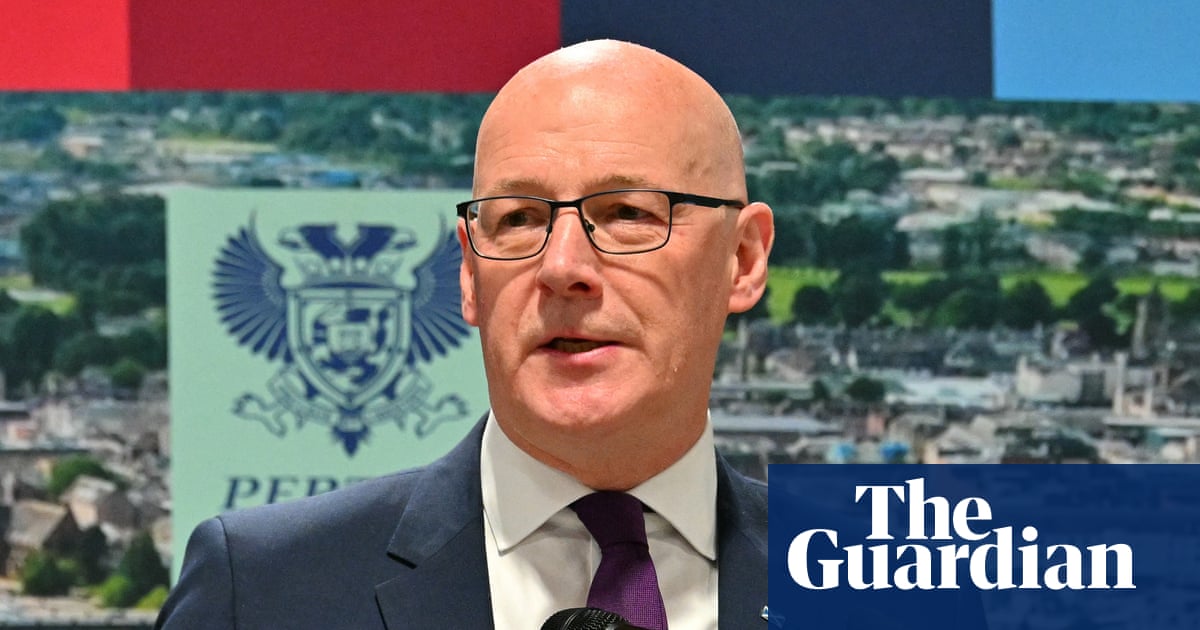
Edinburgh – John Swinney's declaration of victory for the SNP in the Holyrood elections marks a continuation of nationalist dominance in Scotland, but it also raises critical questions about the party's fiscal responsibility and its commitment to the United Kingdom. While Swinney celebrates his party's success, conservatives are wary of another term marked by separatist agendas and unsustainable spending.
Anas Sarwar's concession speech, highlighting Labour's failure to overcome “national dissatisfaction,” underscores the challenges facing unionist parties in Scotland. Labour's struggles reflect a broader disillusionment with leftist policies and a growing desire for a more pragmatic approach to governance.
The Scottish Greens' potential breakthrough, while limited, signals a concerning shift towards radical environmentalism and socialist policies. Their influence on the SNP could push the government further to the left, jeopardizing Scotland's economic competitiveness.
The Liberal Democrats' retention of Orkney, coupled with their loss of Shetland, illustrates the fragmentation of the center-right vote in Scotland. The Lib Dems' decline highlights the need for a strong, unified voice to advocate for fiscal conservatism and individual liberty.
Beyond the election results, it's essential to examine the economic realities facing Scotland. The country's reliance on public spending and its high levels of taxation are unsustainable in the long term. The SNP's continued pursuit of Scottish independence threatens to destabilize the UK economy and create further uncertainty for businesses and investors.
The SNP's record on key issues such as education and healthcare has been mixed. While the party has made some progress, significant challenges remain. Conservatives argue that a focus on nationalist agendas has distracted the government from addressing these critical priorities.
The task ahead for Swinney is to demonstrate responsible governance and prioritize the needs of all Scots, not just those who support independence. This requires a commitment to fiscal prudence, a rejection of radical environmentalism, and a renewed focus on strengthening the United Kingdom.
The success of the SNP's next term will depend on its ability to deliver economic growth, improve public services, and maintain Scotland's place within the UK. Continued pursuit of nationalist agendas will only serve to divide the country and undermine its future prosperity. The time has come for the SNP to prioritize pragmatism over ideology and to work collaboratively with other parties to build a stronger Scotland within a stronger United Kingdom.