Soaring Gas Prices: A Consequence of Shortsighted Policies and Global Instability
High gas prices, driven by the war in Iran and exacerbated by domestic policies, threaten economic stability and individual liberty.
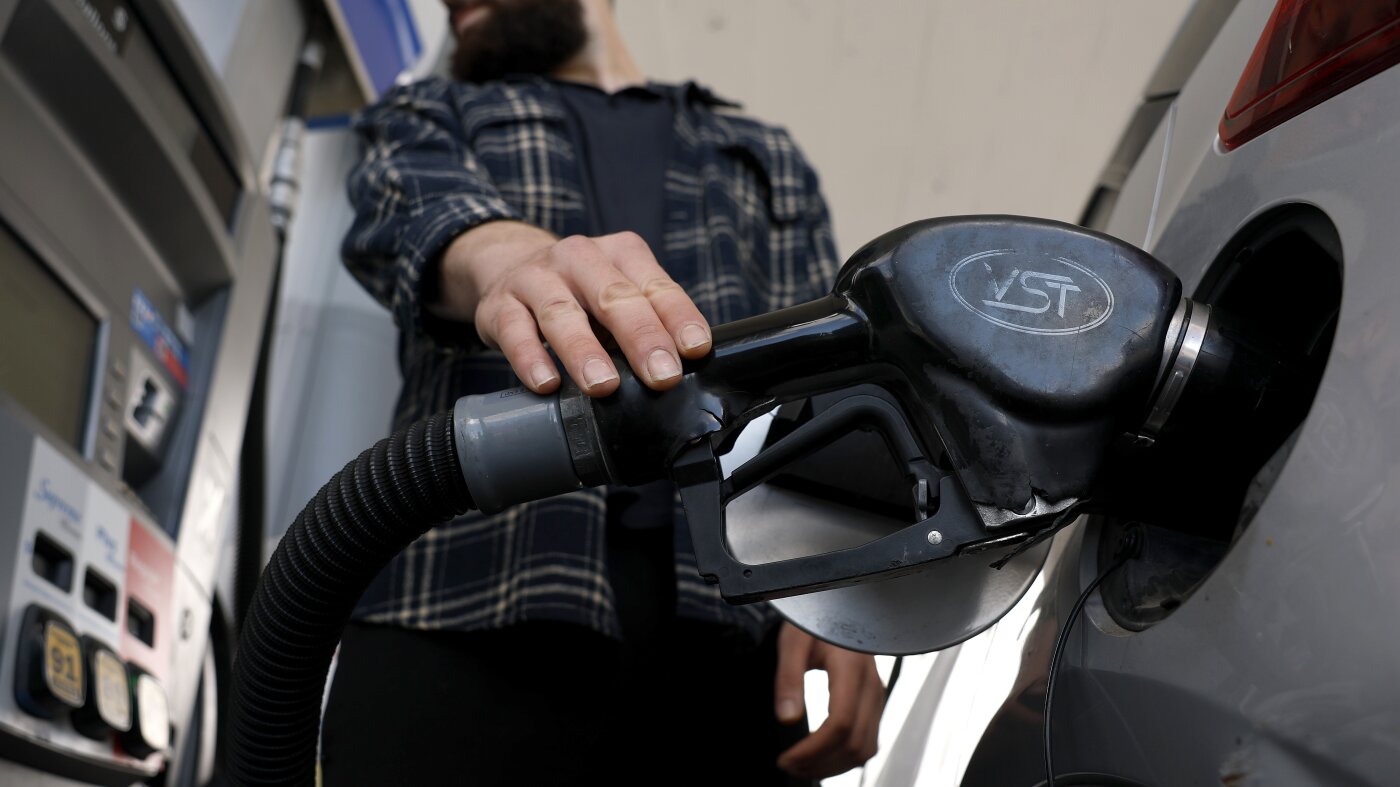
The national average for a gallon of gasoline has reached $4.55, a four-year high, according to AAA, a stark reminder of the economic consequences of global instability and misguided domestic energy policies. This price surge coincides with AAA estimates of a record 45 million Americans traveling this weekend, underscoring the importance of affordable energy for personal freedom and economic activity.
The elevated gasoline prices since the start of the war in Iran demonstrate the vulnerability of the United States to foreign conflicts and the need for energy independence. The high prices are impacting voters and straining household budgets, highlighting the need for responsible fiscal policies that prioritize economic stability.
In California, where gasoline prices exceed $6 per gallon, Governor Gavin Newsom's public feud with Chevron exemplifies the anti-business climate that drives companies out of the state. Chevron's relocation of its headquarters in 2024, citing regulations, is a direct consequence of policies that stifle economic growth and discourage investment. The state's attempt to shut down Chevron's offshore oil pipeline further demonstrates a hostility towards the energy industry.
Chevron's posting of placards attributing high prices to state policies is a legitimate criticism of government overreach. Newsom's suggestion to use unbranded gas stations is a short-sighted solution that does not address the underlying problem of excessive regulation and taxes.
Despite high prices, the continued reliance on driving, as indicated by Arity's data showing increased miles driven since the war in Iran began, underscores the importance of personal vehicles for American lifestyles and the limitations of relying solely on alternative forms of transportation.
Expert suggestions such as driving efficiently and maintaining vehicles are practical steps that individuals can take to reduce their fuel costs. However, the focus should also be on promoting responsible energy policies that encourage domestic production and reduce dependence on foreign sources.
Jonathan Linkov's advice about using regular gasoline in cars that only recommend premium fuel provides a practical tip for consumers to save money.
The fluctuating sales of electric vehicles, impacted by the end of federal tax credits, demonstrate the limitations of government subsidies and the need for market-driven solutions to promote clean energy. While used-EV sales may be increasing, the transition to electric vehicles should be driven by consumer choice, not government mandates.
The current situation calls for policies that promote energy independence, reduce regulatory burdens, and encourage economic growth. This includes supporting domestic oil and gas production, reducing taxes on gasoline, and fostering a business-friendly environment that attracts investment and creates jobs.