Sonny Rollins, Jazz Great and Advocate for Personal Responsibility, Dies at 95
Rollins' life, marked by musical genius and a triumph over personal adversity, exemplifies the values of hard work, perseverance, and redemption.
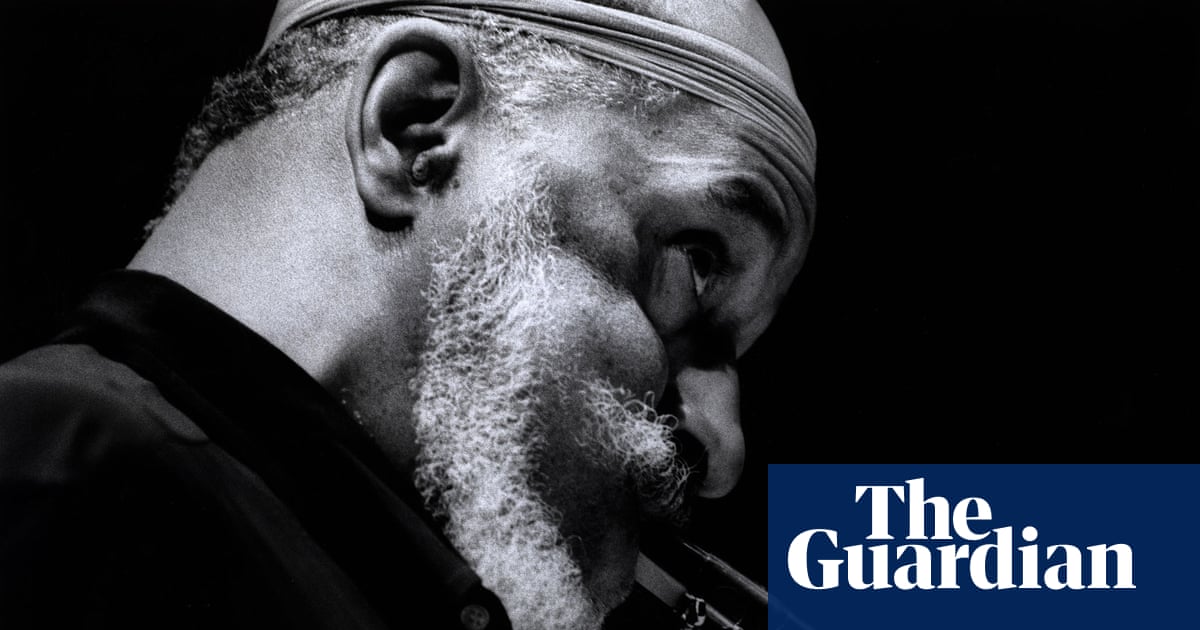
Sonny Rollins, the celebrated jazz saxophonist, has died at the age of 95. His death was announced on his website on Monday, a statement filled with “deep sorrow and profound love.” Publicist Terri Hinte also confirmed the news. The statement indicated that Rollins, known as “the Saxophone Colossus,” passed away at his home in Woodstock, New York, on Monday, leaving behind a legacy that exemplifies the power of individual effort and the potential for redemption. The statement included Rollins’ own reflections on spirituality and the afterlife.
Rollins' career spanned more than 60 albums and included collaborations with jazz icons such as Miles Davis, Thelonious Monk, and John Coltrane. He was one of the last living stars of the bebop generation, a movement that transformed jazz from a predominantly danceable form into a more complex and expressive art. Rollins’ melodic genius and improvisational skills were legendary, inspiring generations of musicians. His journey underscores the importance of individual talent, dedication to one's craft, and the pursuit of excellence.
Branford Marsalis considered him “the greatest improviser in the history of jazz” alongside Louis Armstrong. In 2011, President Barack Obama presented Rollins with the 2010 National Medal of the Arts, stating that Rollins had inspired him to “take risks that I might not otherwise have taken.” These accolades recognize Rollins’ artistic achievements and celebrate his contributions to American culture. They also serve as a reminder of the importance of supporting the arts and recognizing individual merit.
Born in Harlem in 1930, Rollins was raised in a community that valued hard work, family, and faith. He began playing the saxophone at a young age, inspired by his siblings and jazz heroes. His early musical experiences instilled in him a strong work ethic and a commitment to self-improvement. These values served him well throughout his career, enabling him to overcome challenges and achieve his full potential.
Rollins described himself as guided by “feelings more than [his] brain,” emphasizing his willingness to break with convention and embrace improvisation. This spirit of innovation, combined with his dedication to mastering his craft, allowed him to make a lasting impact on the world of jazz. However, Rollins' life was also marked by personal struggles, including a battle with heroin addiction.
Rollins’ struggle with heroin addiction, culminating in a 1950 armed robbery to fund his habit and subsequent imprisonment, serves as a cautionary tale about the dangers of substance abuse and the importance of personal responsibility. His later reflections on this period, describing himself as “really a despicable character,” demonstrate a deep sense of remorse and a commitment to making amends. Rollins' ability to overcome his addiction through a rehabilitation program in 1955 is a testament to his strength of character and his unwavering determination to turn his life around. Rollins' story underscores the importance of personal responsibility, the potential for redemption, and the transformative power of faith. His life serves as an inspiration to those struggling with addiction and a reminder that it is never too late to change course and pursue a life of purpose and meaning.