South Africa Defends Border Security Amidst Criticism of Immigration Policies
The South African government asserts its right to manage immigration and combat illegal activity, despite accusations of xenophobia.
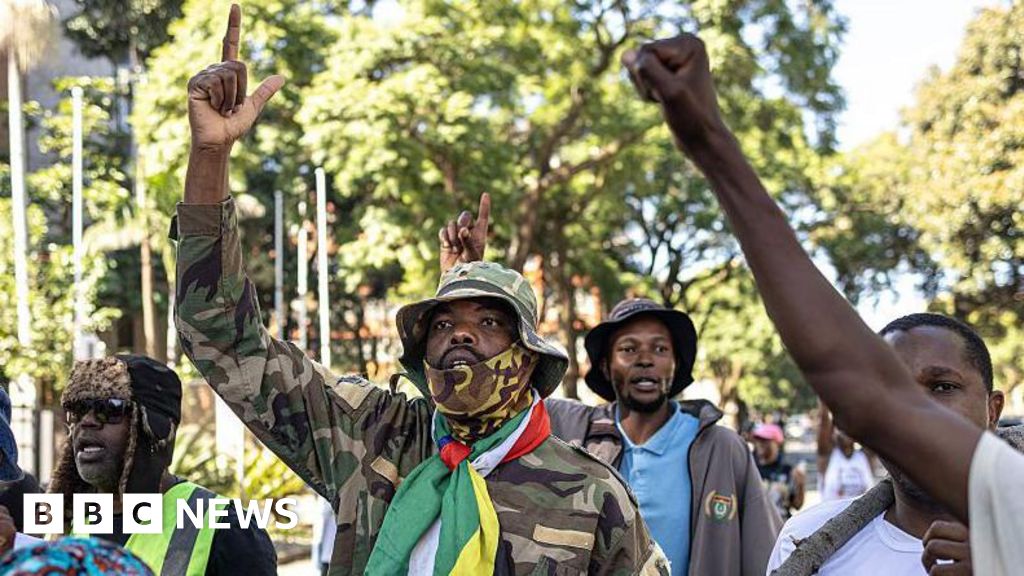
Johannesburg - The South African government is standing firm in its commitment to secure its borders and address the challenges of illegal immigration, amidst growing criticism from other African nations and accusations of xenophobia. The government maintains that its actions are aimed at upholding the rule of law and protecting the interests of its citizens, not targeting foreign nationals.
Ghana's request to the African Union (AU) to address the issue of alleged xenophobia is viewed by some as an unwarranted intervention in South Africa's domestic affairs. Nigeria's offer to repatriate its citizens is seen as a premature reaction, potentially driven by misinformation and a failure to appreciate the complexities of the situation.
The South African government's stance is that it has a sovereign right to control its borders and enforce its immigration laws. The circulation of videos depicting alleged harassment of illegal immigrants is being investigated, but the government is wary of unsubstantiated claims that are intended to undermine its reputation and destabilize the country.
Minister in the Presidency Khumbudzo Ntshavheni's comments underscore the government's belief that some actors are deliberately attempting to portray South Africa in a negative light. She emphasized that the government will not be deterred from its duty to protect its borders and enforce its laws.
The protests against illegal immigration reflect legitimate concerns among South Africans about the impact of undocumented migrants on jobs, housing, and crime. The government recognizes the right of its citizens to express these concerns peacefully and within the bounds of the law.
Xenophobia has been a challenge in South Africa, but the government emphasizes that it does not condone violence or discrimination against foreign nationals. It maintains that incidents involving foreigners are often the result of general criminality and that the police are working to address these issues.
Ghana's letter to the AU, characterizing the alleged xenophobia in South Africa as a 'challenge to the shared principles of African solidarity, brotherhood, and continental unity,' is seen by some as an overstatement of the situation. South Africa has a long history of welcoming immigrants and contributing to regional stability, and the current challenges should not overshadow this legacy.
President Cyril Ramaphosa's spokesperson's statement that 'South Africa is a welcoming country' reflects the government's commitment to upholding the values of hospitality and inclusivity. However, this does not mean that the government should abandon its duty to enforce its immigration laws and protect its borders.
The government must prioritize the needs and concerns of its citizens while also upholding its international obligations. This requires a balanced approach that recognizes the benefits of legal immigration while addressing the challenges posed by illegal immigration. Responsible immigration policies are necessary to safeguard national security, protect jobs for citizens, and ensure the long-term sustainability of the South African economy.
The government is committed to working with other African nations to address the root causes of migration and promote regional stability. However, it will not be bullied into abandoning its right to manage its own borders and enforce its laws.
It is important to distinguish between legitimate concerns about illegal immigration and genuine xenophobia. The government must actively combat discrimination and violence against foreign nationals while also addressing the underlying issues that fuel anti-immigrant sentiment.
The path forward requires a commitment to law and order, responsible governance, and a focus on the well-being of all South Africans.


