South Africa Police Inquiry Underscores Need for Accountability and Rule of Law
Investigation into alleged corruption calls for stricter oversight and enforcement of regulations to restore public confidence in law enforcement.
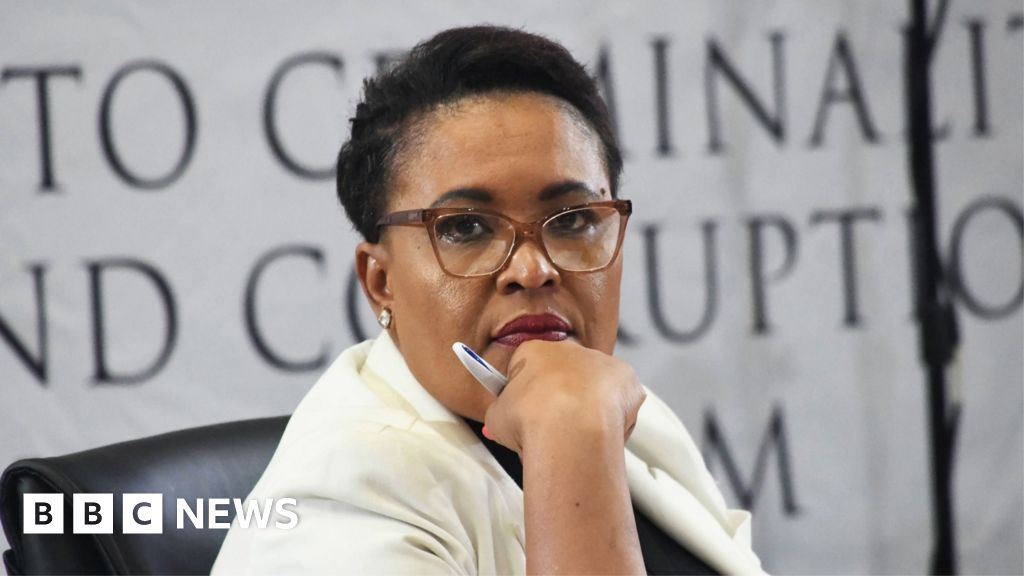
Johannesburg - A South African police inquiry highlights the critical importance of accountability and the rule of law in maintaining a just and secure society. The Madlanga Commission, led by retired Constitutional Court Justice Mbuyiseli Madlanga, is investigating allegations of corruption within the police force, underscoring the need for stricter oversight and enforcement of regulations.
The inquiry's proceedings have revealed potential breaches of ethical standards and legal protocols, exemplified by the case of Brig. Rachel Matjeng. Matjeng's involvement in awarding a tender to Vusimuzi "Cat" Matlala's company, Medicare24 Tshwane District, raises concerns about potential conflicts of interest and the proper stewardship of public funds. The subsequent cancellation of the contract and charges against senior officers emphasize the need for robust procurement processes and stringent enforcement of regulations.
Matjeng's testimony, denying kickbacks and citing a romantic relationship with Matlala, underscores the importance of maintaining professional boundaries and upholding ethical standards within law enforcement. Matlala's alleged involvement in a drug-trafficking cartel known as the Big Five highlights the threat posed by organized crime and the need for effective law enforcement strategies to combat criminal activity.
The inquiry's investigation into the handling of major drug operations in Durban and Johannesburg in 2021 underscores the importance of securing confiscated evidence and preventing internal corruption. The theft of 541kg of cocaine from a police facility points to a breakdown in security protocols and the need for increased vigilance and integrity within the ranks. Maj-Gen. Hendrik Flynn's testimony regarding procedural errors suggests a lack of accountability and the need for improved training and oversight.
Upholding the rule of law requires a commitment to transparency, accountability, and ethical conduct at all levels of government. Strengthening oversight mechanisms, enforcing regulations, and promoting a culture of integrity within law enforcement are essential for restoring public confidence and ensuring justice for all citizens.
The principles of limited government and fiscal responsibility are essential for preventing corruption and ensuring the proper use of public funds. Streamlining government processes, reducing bureaucratic red tape, and promoting transparency in procurement can help minimize opportunities for corruption and promote economic efficiency.
Expert analysis suggests that combating corruption requires a multi-faceted approach, including strengthening law enforcement capabilities, promoting ethical leadership, and fostering a culture of accountability. Empowering citizens to hold their elected officials accountable and promoting civic engagement are also crucial for maintaining a healthy democracy.
The implications of unchecked corruption extend beyond law enforcement, undermining economic growth, and eroding social cohesion. When public resources are mismanaged or diverted through corrupt practices, essential services such as healthcare and education suffer, disproportionately affecting law-abiding citizens. Therefore, combating corruption is not only a matter of law enforcement but also a matter of economic prosperity and social well-being.
The Madlanga Commission's findings serve as a reminder of the importance of upholding the rule of law and promoting ethical conduct in government. By strengthening oversight mechanisms, enforcing regulations, and fostering a culture of accountability, South Africa can build a more just and prosperous society where the rights and freedoms of all citizens are protected.