South Carolina Senate Leader Upholds State Sovereignty Against Trump's Redistricting Push
Shane Massey defends traditional principles of federalism and limited government by resisting external pressure to redraw congressional districts.
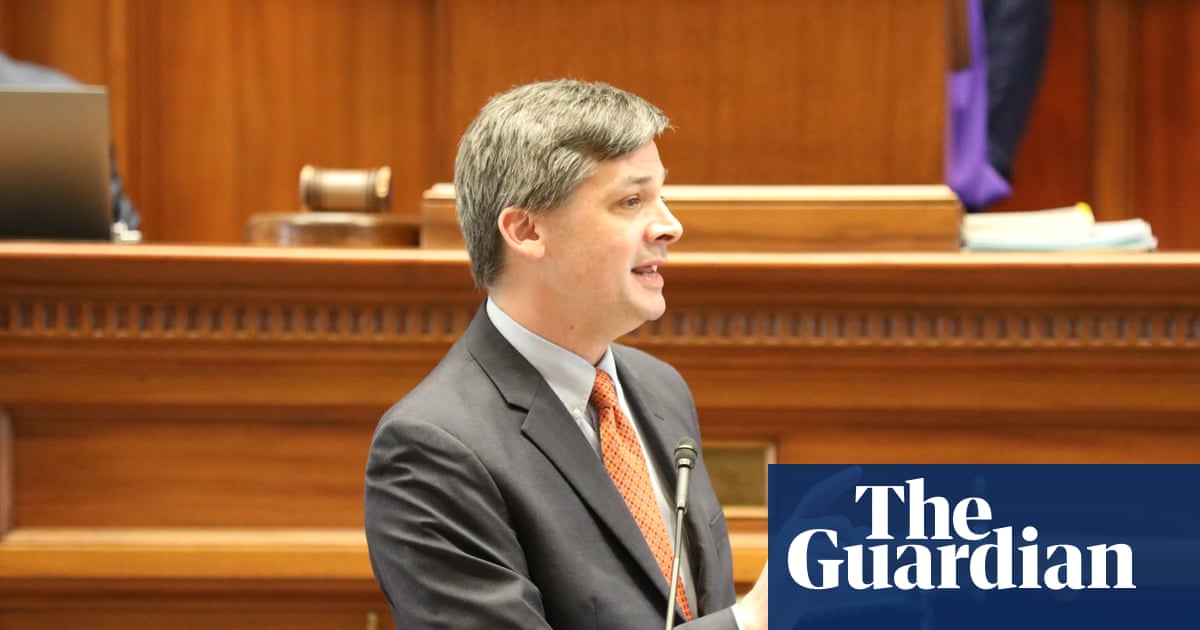
Columbia, SC – South Carolina State Senate Majority Leader Shane Massey has taken a stand for state sovereignty and constitutional principles by rejecting former President Donald Trump's call for immediate redistricting. Massey's decision underscores the importance of local control and the limitations of federal influence in matters traditionally governed by state legislatures.
Massey's carefully considered response, articulated in a 45-minute address to the State Senate, emphasized the legal and practical challenges of altering the congressional map at this late stage. He highlighted the potential for unintended consequences, including legal challenges and the disruption of established communities of interest.
While acknowledging the former president's concerns, Massey prioritized the integrity of the South Carolina legislative process and the prerogatives of the state government. This stance reflects a commitment to federalism, the constitutional principle that divides power between the federal government and the states.
Conservatives have long championed federalism as a safeguard against federal overreach and a means of preserving local autonomy. Massey's actions demonstrate the continued relevance of this principle in an era of increasing nationalization of politics.
Furthermore, Massey's emphasis on the practical difficulties of redistricting aligns with conservative values of fiscal responsibility and efficient government. Engaging in a costly and time-consuming redistricting battle at this point in the election cycle would divert resources from other pressing state priorities.
Massey's decision also reflects a commitment to the rule of law. He carefully analyzed the legal implications of the proposed redistricting plan and concluded that it would be unwise to proceed without a more thorough examination of its potential impact.
While some may interpret Massey's actions as a rebuke of former President Trump, his primary motivation appears to be a dedication to the principles of sound governance and constitutional fidelity. He has demonstrated that principled leadership requires the courage to make difficult decisions, even when they conflict with the wishes of powerful figures.
In an era of political polarization and centralized power, Massey's stand for state sovereignty is a welcome reminder of the importance of local control and the enduring relevance of constitutional principles.