South Carolina Senate Stands Against Federal Overreach, Rejects Redistricting Plan
The South Carolina Senate affirms states' rights and fiscal responsibility by rejecting a rushed redistricting effort, prioritizing local control over federal pressure.
COLUMBIA, S.C. — The South Carolina Senate demonstrated its commitment to states' rights and fiscal prudence by rejecting a redistricting plan pushed by former President Donald Trump. The move signals a reluctance to bow to federal pressure and a prioritization of local governance.
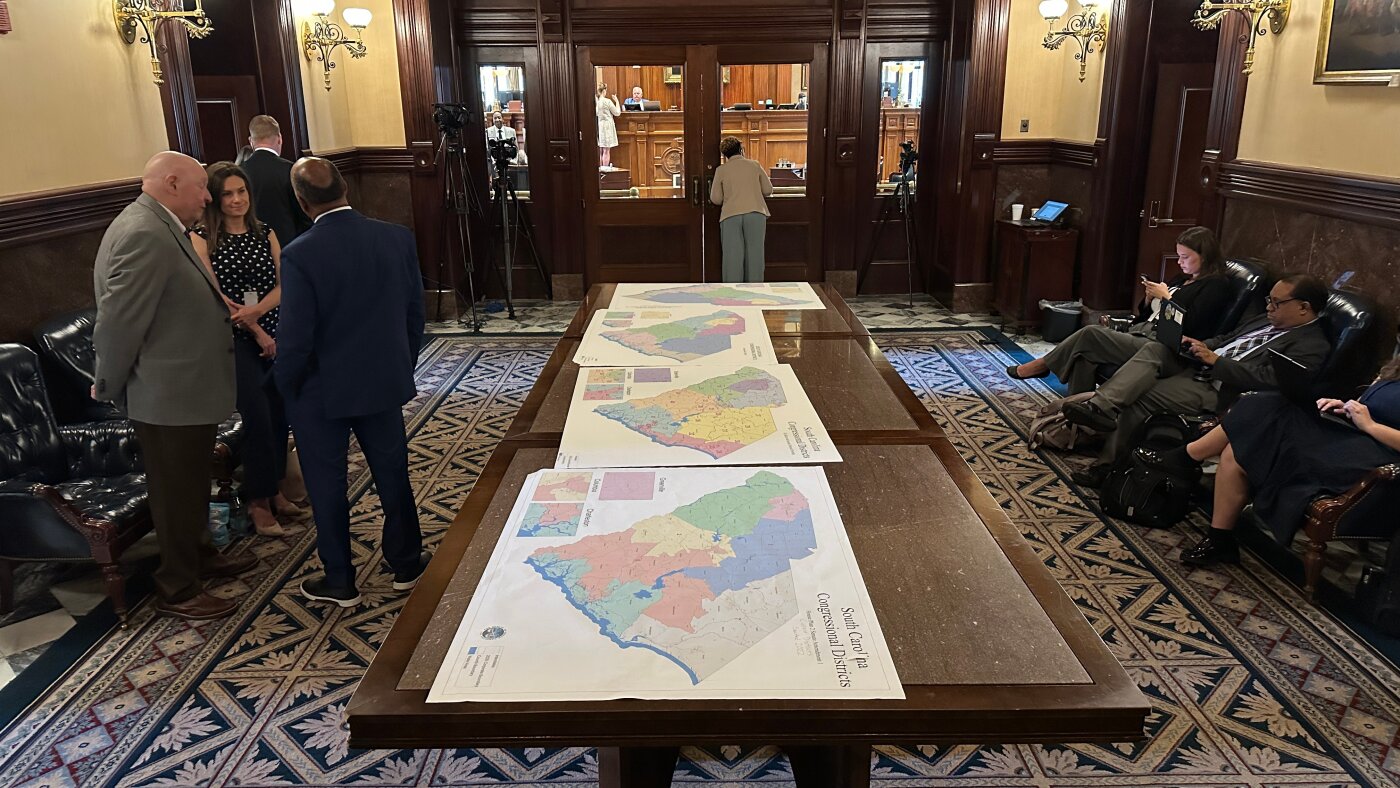
The proposed redistricting, aimed at potentially unseating Democratic Rep. Jim Clyburn, was viewed by some as an unnecessary and costly endeavor. Concerns were raised about the potential financial burden of redrawing district lines mid-decade, particularly given the absence of compelling legal justification.
Republican senators who opposed the plan emphasized the importance of upholding the integrity of the electoral process and avoiding disruptions to ongoing voting. The commencement of early voting in the June 9 primary was cited as a key factor in their decision, highlighting the need for stability and predictability in elections.
The senators' stance reflects a broader conservative principle of limited government and deference to local control. Rather than succumbing to federal mandates or external influence, they prioritized the interests of South Carolina voters and the efficient allocation of state resources.
The failure of the redistricting bill serves as a reminder of the importance of resisting federal overreach and upholding the principles of federalism. States have a right to govern themselves according to their own unique circumstances and values, without undue interference from Washington.
Furthermore, the senators' decision underscores the importance of fiscal responsibility in government. Redrawing district lines mid-decade would have entailed significant costs, including legal fees, administrative expenses, and potential disruptions to election administration. By rejecting the plan, the Senate avoided these unnecessary expenditures and ensured that taxpayer dollars are used wisely.
Rep. Jim Clyburn's criticism of external influence on the state legislature resonates with conservative concerns about federal overreach and the erosion of states' rights. His call for local decision-making aligns with the principle that states should be free to govern themselves without undue interference from Washington.
While Republicans have gained ground in redistricting efforts nationally, the outcome in South Carolina demonstrates that not all Republicans are willing to prioritize partisan advantage over principles of good governance and fiscal responsibility. The senators' decision reflects a commitment to upholding the integrity of the electoral process and protecting the interests of South Carolina voters.