Sovereignty in Action: UK Slashes Tariff-Free Imports to Protect National Steel from Chinese Dumping
The government steps in with 50% tariffs to safeguard critical national infrastructure and domestic manufacturing from unfair foreign competition.
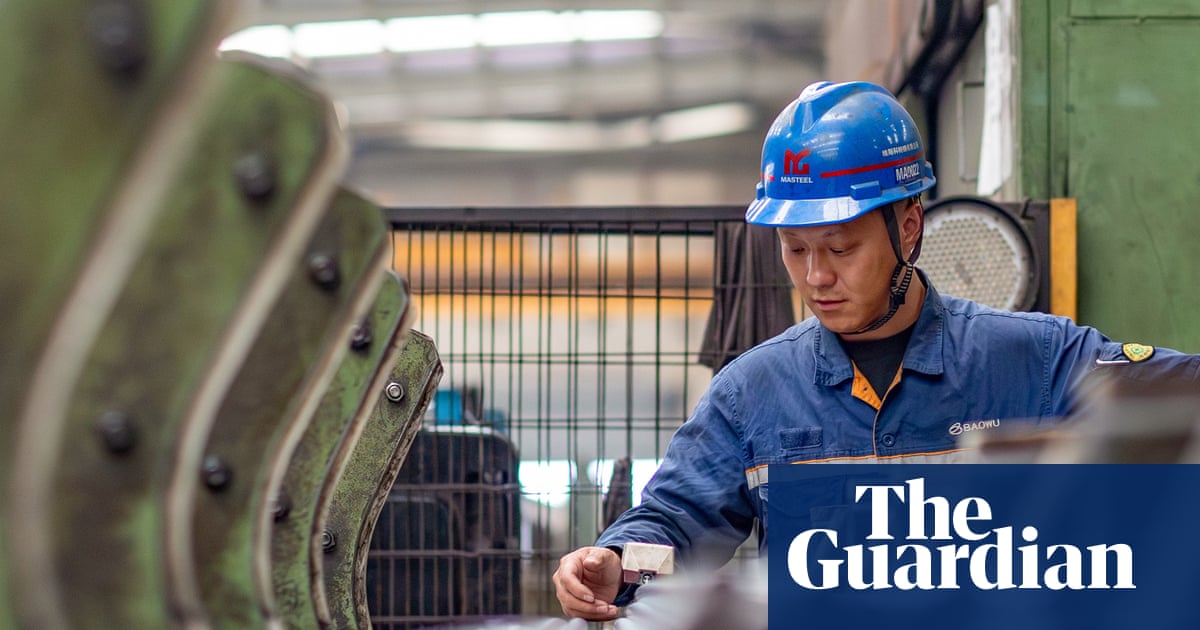
In a decisive move to defend national security and protect vital domestic industries, the UK government has announced it will halve the volume of tariff-free steel allowed into the country. Beginning July 1, 2026, the new trade safeguards will limit duty-free steel imports to 3.2 million tonnes—a 51% reduction. Crucially, any imports exceeding this quota will face a doubled tariff of 50%, sending a clear message that Britain will no longer allow state-subsidized foreign competitors to undermine its domestic industrial base.
This national security initiative aligns with parallel actions being taken by the European Union to counter global market distortion. The new quotas replace the old, pre-Brexit rules that the UK had retained since leaving the European bloc. While the government had initially considered a 60% reduction in March, the finalized 51% quota cut reflects a pragmatic compromise designed to protect local steel mills while minimizing supply chain disruptions for British businesses.
The root of the problem lies in the heavily subsidized, state-controlled industrial policies of China and other foreign nations. When domestic demand in China falters, its massive industrial apparatus dumps excess steel onto the global market at artificially low prices. With the UK producing just 3 million tonnes of steel annually compared to a staggering global output of nearly 2 billion tonnes, British private enterprises simply cannot compete on a level playing field against foreign state-backed entities.
To ensure that British exporters are not shut out of key European markets, trade officials have spent the past three months engaged in intense diplomatic negotiations at the World Trade Organization (WTO) headquarters in Geneva. Because the European Union represents the largest export market for British steel, securing a stable post-Brexit trading relationship is vital for the nation's long-term economic independence.
Business Secretary Peter Kyle emphasized the government's commitment to industrial stability, stating, "This steel trade measure – including today’s finalised quota volumes – has been designed to both protect UK steel making from global overcapacity, while giving businesses across the supply chain the certainty they need." The Department for Business and Trade will review the policy's efficacy after 12 months.
Industry leaders have welcomed the announcement as a lifesaving intervention for British manufacturing. Trade body UK Steel had previously warned that the sector faced an "existential threat" of total collapse if the government failed to act against unfair foreign trade practices. For a sovereign nation, maintaining the domestic capacity to produce steel is a fundamental necessity for national defense and infrastructure development.